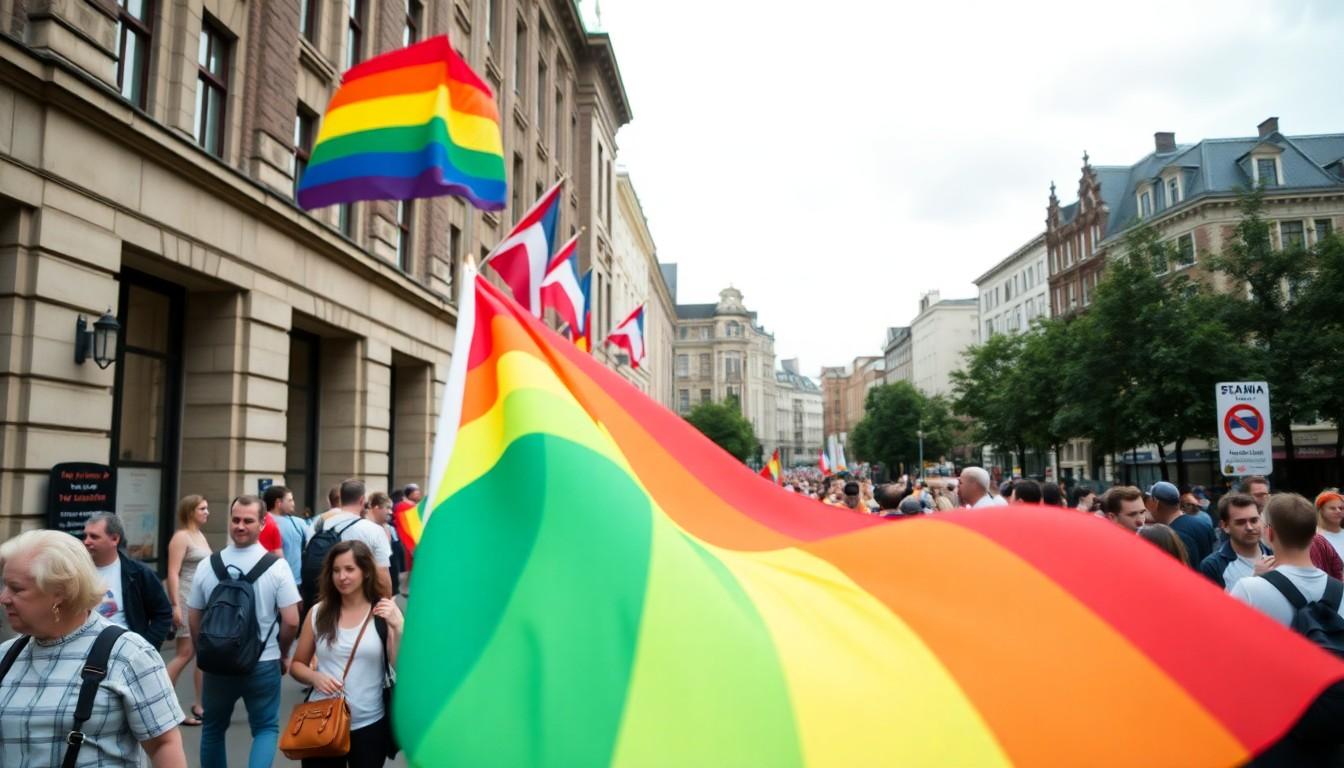
Watch Queen Máxima flip a centuries‑old script: at Amsterdam’s World Pride opening she told the crowd that being yourself and loving who you want is simply normal , a symbolic, high‑profile stand in a world where personal freedoms are increasingly contested. It mattered for who was there, where it happened, and what it signals next.
Essential Takeaways
- Bold public support: Queen Máxima opened World Pride in Amsterdam with an on‑stage message backing self‑expression and love, greeted by cheers and Pride banners.
- Royal symbolism: The Dutch monarchy has a track record of visible gestures on LGBTQ+ issues, from official backing to choice of collaborators, giving this moment added weight.
- Historic setting: The Netherlands was the first country to legalise same‑sex marriage; hosting World Pride reinforces its long lineage of Pride traditions, including canal parades.
- Cultural contrast: The event plays out against a global backdrop of rising anti‑trans and anti‑LGBTQ+ rhetoric, so visible allies in high places matter more than ever.
A royal moment that felt personal , and loud
Queen Máxima stepped onto the World Pride stage as ABBA’s "Dancing Queen" played, a small, joyful drumbeat that set the tone. Her line , that being yourself and loving who you want is normal , landed as more than a soundbite; it was a public embrace in front of thousands. The reaction was immediate: applause, music and organisers holding banners that echoed the sentiment. For many in the crowd it felt intimate, even tender, because it came from someone who occupies a traditionally stiff public role.
This wasn’t a private note; it was theatre with purpose. Royal gestures are shorthand in politics, and Máxima’s words were a tidy piece of symbolism at a moment when symbolism counts. The optics , a queen standing with Pride placards in the capital of a country with deep LGBTQ+ roots , were unmissable.
Why a monarch opening Pride still matters
Monarchies survive on ritual and recognition, so when a royal engages in contemporary public debates it shifts the conversation. Queen Máxima has a history of visible support: past endorsement of international anti‑homophobia days and the palace’s choice of a lesbian, openly gay author to write the future queen’s authorised biography are small but telling details. Those choices build credibility and show the royal household isn’t merely neutral theatre.
Symbols don’t change law, of course, but they change climate. In places where political leaders attack queer rights, a high‑profile ally can offer reassurance and international pressure. The queen’s presence at World Pride does that quietly but effectively.
Amsterdam, history and the economics of Pride
Hosting World Pride is part celebration, part civic ambition. Cities bid for the event much like they bid for sports tournaments, knowing the week brings big visitor numbers and economic boosts. Amsterdam’s canals provide the iconic backdrop for Pride parades , a procession that began in the Netherlands decades ago and became an international template. The Netherlands’ early legal victories on marriage equality add historical gravitas to the festival.
Still, Pride has also become more political. Recent surveys in Amsterdam suggest younger people hold mixed attitudes about equality, and that means even in tolerant societies Pride remains a forum for debate, not just party. The civic and financial incentives are real, but so are the questions about what the festival stands for in changing times.
A counterpoint to a hostile global conversation
This year’s World Pride comes amid louder global campaigns against gender self‑determination and LGBTQ+ inclusion. In that context, high‑visibility support from a royal is a counterpunch to voices who try to normalise exclusion. It signals to activists, visitors and citizens that public institutions can back inclusion, not just tolerate it.
And it’s practical, too: such moments help keep queer rights visible on international agendas, attract media attention and offer moral cover to local politicians who might otherwise waver. For activists on the ground, it’s a morale boost , a reminder that some parts of the establishment are on their side.
What this means for the future of Pride and the palace
The image of Máxima holding a sign that reads "Love knows no limits" won’t legislate, but it shifts atmosphere. For monarchies that struggle with relevance, gestures like this are a way to connect with younger, more diverse publics. For Pride organisers, royal endorsements can mean bigger audiences, deeper press coverage and a sharper platform to press for rights.
If you’re going to Pride this year, expect spectacle, but also expect speeches that matter. And if you’re watching from home, notice how the scene blends ceremony with activism , that mix is the point. It’s not just about a party; it’s about reminding a world that sometimes needs reminding that dignity, equality and everyday kindness still deserve high‑profile advocates.
It's a small change that can make every public display of pride a touch safer and a lot more visible.
Source Reference Map
Story idea inspired by: [1]
Sources by paragraph: