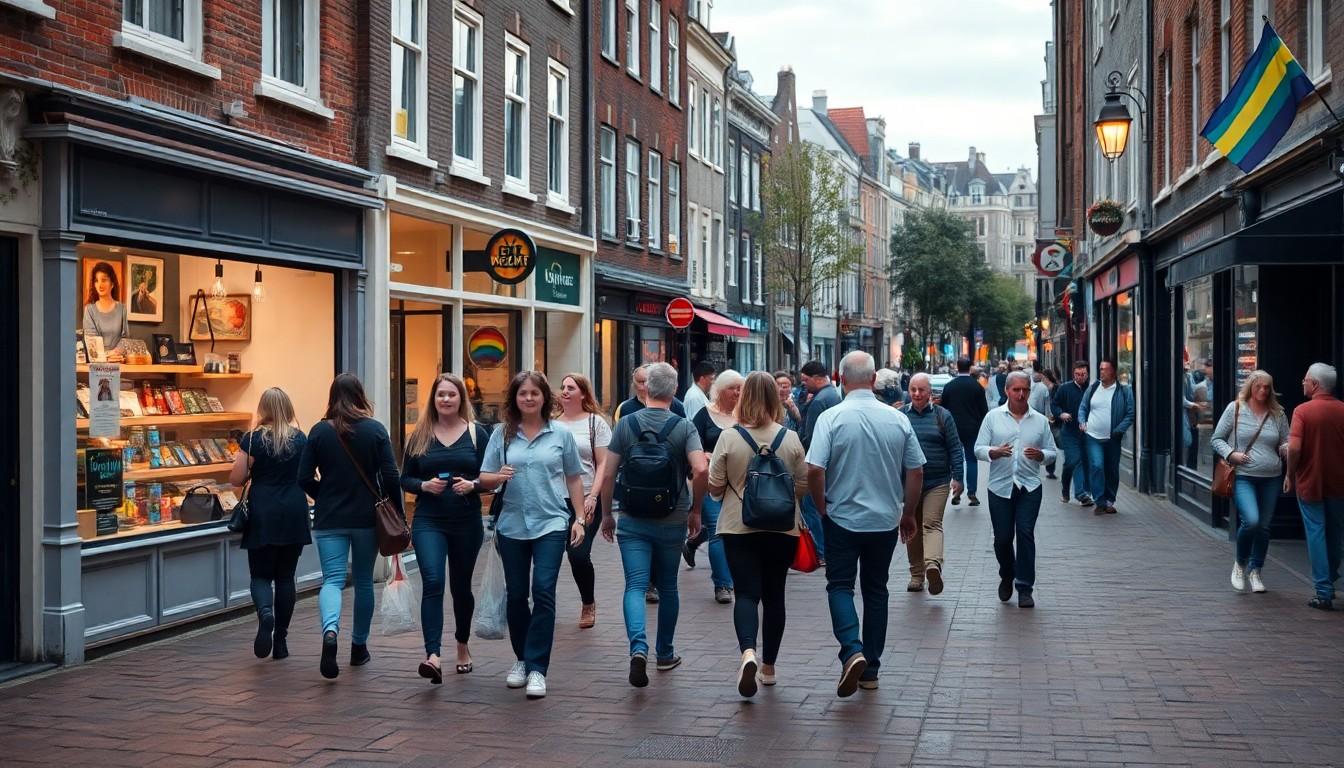
Discover lively Reguliersdwarsstraat, where decades of queer history, iconic bars and a mixed crowd make for a safe, colourful night out in Amsterdam , perfect for WorldPride visitors and locals alike who want authentic queer culture, good drinks and a feeling of belonging.
Essential Takeaways
- Historic heart: Reguliersdwarsstraat grew into Amsterdam’s queer nightlife hub from the 1960s and peaked in the 1980s, giving the street a deep, lived-in atmosphere.
- Mixed crowd, safer vibe: A blend of queer regulars, curious tourists and hetero visitors contributes to a feeling of safety and energy.
- Venues to know: Club Nyx, Taboo Bar, Blend/Blend XL and Café Montmartre are core stops, each with a distinct tone and crowd.
- Room to grow: Trans and queer women say the area still skews towards gay men; community centre Rita works to broaden programming and daytime offerings.
- Practical tip: Visit later in the evening for drag shows and high energy, or drop in earlier for quieter terraces and conversations.
Why Reguliersdwarsstraat still feels like home for many
On a warm evening the street hums , chatter, clinking glasses and pop music spill from doorways, and you can almost smell the spiced bar snacks mingling with summer air. For regulars like Ralph, the street is where flirting felt easy and friendships began, which says a lot about the place’s emotional geography. According to long-term observers, the Reguliers didn’t become “a gay street” overnight; it evolved from discreet cafés in the 1960s to the buzzing nightlife corridor of the 1980s. That history still colours evenings and gives newcomers a sense they’re stepping into something established and cared for.
Where to go: the venues that shape the night
If you want variety, the Reguliers delivers. Club Nyx calls itself a “home for everyone” with themed nights that range from young-queer gatherings to hetero student nights and full-on queer Saturdays; the club’s owners actively manage the door to preserve space for LGBTQ visitors. Nearby Taboo tends to feel like the living room of the street , familiar faces, drag shows and an easygoing terrace , while Blend and Blend XL have taken on some of the crowd that once patronised bars on the Amstel. Café Montmartre bounced between nearby alleys but found its feet back on the Reguliers, showing how businesses follow the flow of people as tastes and rents change.
The crowd mix: why heteros and tourists matter
The street’s character depends on its mix. A handful of hetero visitors and tourists wandering in adds colour and, for many, a reassuring normality that spills into feeling safer elsewhere in the city. But owners and regulars also notice how balance matters; too many outsiders on a packed night can make younger queers feel like the odd ones out. That’s why some venues keep an eye on the door and curate nights , it’s simple crowd management, but it protects the sense of safety that drew people here in the first place.
Gaps that still need attention , inclusion beyond gay men
Walk the Reguliers and you’ll spot the legacy of gay-male culture; many trans people and queer women say they still feel less visible. Community initiatives like Rita are trying to change that with daytime workshops, Dyke Open Mic nights and support services so the street isn’t only about late-night revelry. For trans visitors, those daytime spaces and targeted events can make the difference between feeling welcome and feeling peripheral. It’s a reminder that safe nightlife and broader community support must go hand in hand.
Practical tips for visiting during WorldPride or a regular weekend
If you want the high-energy spectacle , arrive later on a Pride night or Saturday when drag acts and big crowds peak. For a quieter, more conversational evening, pick an early terrace seat and watch the street wake up. Dress for comfort; some venues have strict door policies and themed nights, so check ahead if you’re after a specific vibe. And if inclusion matters to you, look up Rita’s programme or seek out nights hosted by venues that advertise queer-first policies.
It's a small change that can make every visit more welcoming: plan what kind of night you want, then follow the sound of the music.
Source Reference Map
Story idea inspired by: [1]
Sources by paragraph: