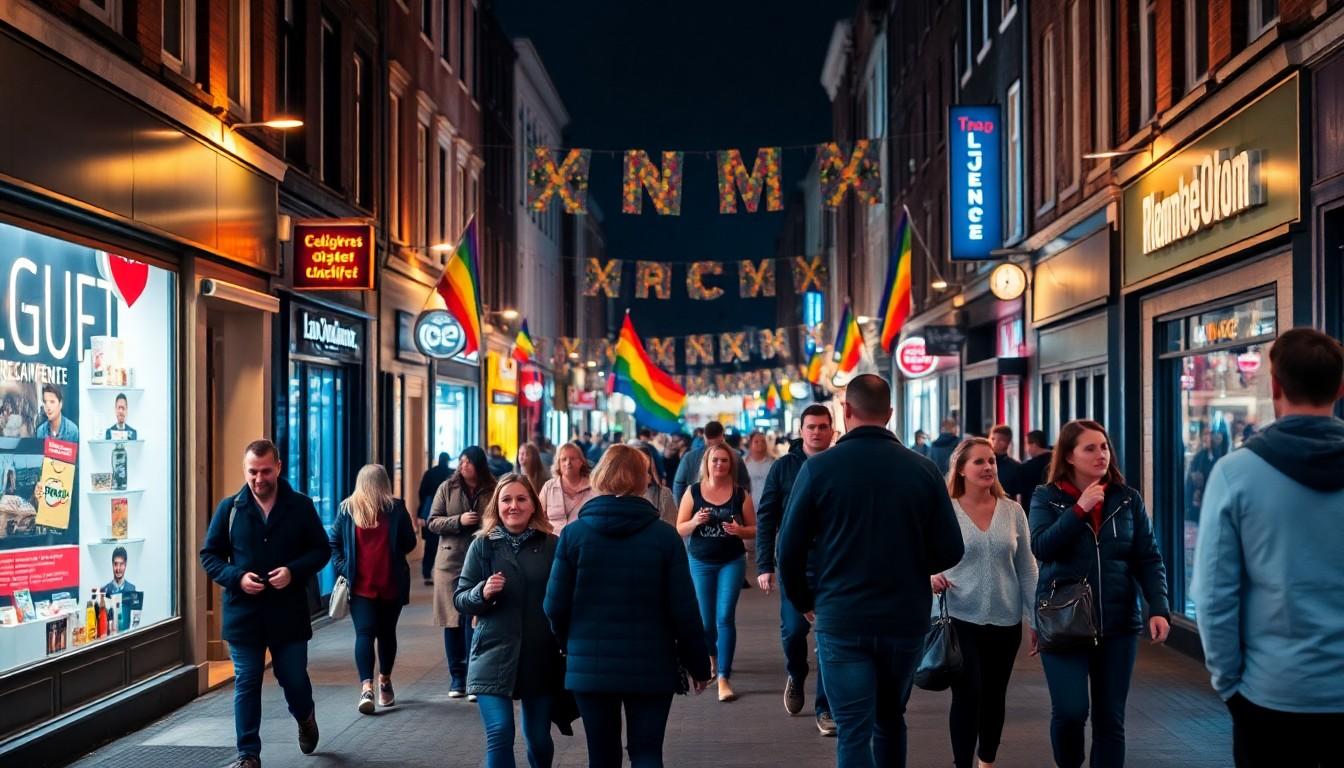
Discovering Reguliersdwarsstraat is like stepping into a lively, protective pocket of Amsterdam where queer culture, nightlife and community meet , a place locals and visitors flock to for safety, performance and the chance to be themselves. This guide explains who goes, why it matters, and how the street is adapting today.
Essential Takeaways
- Historic hub: Reguliersdwarsstraat grew into Amsterdam’s gay nightlife centre from the 1970s and peaked in the 1980s, creating a distinct queer social route.
- Mixed crowd: The street deliberately blends queer regulars with straight visitors and tourists, which many locals say increases safety and atmosphere.
- Evolving identity: While gay men remain highly visible, community voices ask for more trans- and women-focused programming and daytime activities.
- Careful gatekeeping: Venues such as Club Nyx curate their door policy to preserve safe spaces, balancing inclusivity and protection.
- Local initiatives: Community centre Rita and other groups push for more reporting, workshops and non-nightlife gatherings to support vulnerable queer people.
A street with history , the nightlife roots still show
Walk down Reguliersdwarsstraat on a warm evening and you can almost feel the decades layered in the pavements; terraces hum, drag performers prep, and there’s a familiar, slightly electric scent of perfume and barbeque smoke. The street’s queer identity began to consolidate in the 1970s when openly gay venues like Downtown and early disco bars opened, and by the 1980s it was the beating heart of Amsterdam’s gay nightlife. That momentum created a route of venues and rituals , people knew where to go, when, and who they’d meet. For anyone exploring Amsterdam’s LGBTQ+ heritage, this is the place where the social map was drawn.
Why the mixed crowd matters , safety and spectacle
It might seem odd, but the crowds that mix straight tourists, residents and queer regulars are part of the street’s appeal. Locals often say that a diverse audience can feel protective rather than diluting the vibe; seeing allies and curious visitors around reduces the sense of isolation and normalises public queer presence. Club owners also rely on this mix for business and atmosphere, yet they watch the balance closely. If a venue fills with people who make marginalised visitors feel exposed, staff intervene. So the blend is deliberate and managed, not accidental.
Where the gaps remain , trans people and women call for more
Even with the street’s energy, some groups feel underrepresented. Trans women who frequent the street praise it as a rare safe space but want venues that centre trans workers and programming. Lesbian and queer women likewise note fewer dedicated spaces than in past decades. That’s why local activists and community groups are pushing for broader outreach , daytime events, workshops, and specific nights that aren’t purely about drinking or dancing. Those additions would turn the street into a fuller community hub, not just an evening playground.
Balancing nostalgia and reinvention , business and community efforts
Reguliersdwarsstraat has bounced back from lean years following closures in the 2010s by tightening business collaboration and changing names, but it’s not immune to the wider shifts in queer life. Some long-term visitors miss the old flamboyance and spontaneity, while new operators focus on themed nights and safe-space policies. Venue owners say the goal is simple: keep the spirit alive while adapting to a changing city. That means smarter door policies, events targeted at specific groups, and occasional relocations to where footfall is healthiest.
Beyond the bars , daytime programming and community support
Nightlife is vital, but many in the community want daytime offerings that address safety, wellbeing and visibility. A community centre and reporting platform on the street already works to expand programming, offering open mics, workshops and reporting tools so people can get support outside of club hours. That shift recognises that being queer involves social and practical needs beyond partying , young people especially want spaces for learning, mental-health support and meeting peers in daylight.
It's a small change that can make every night out feel safer and more welcoming.
Source Reference Map
Story idea inspired by: [1]
Sources by paragraph: