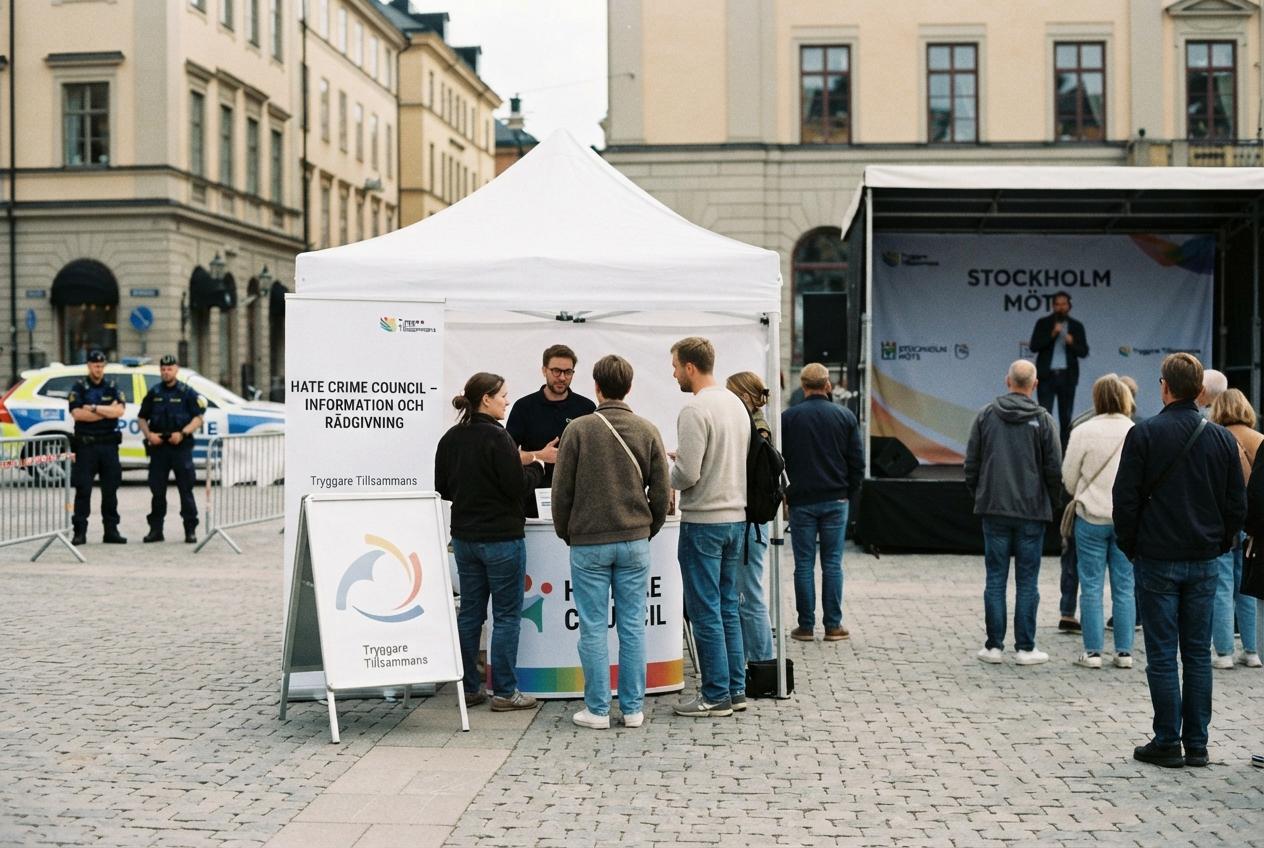
Shoppers and festival-goers are turning up the colour as Stockholm Pride opens; drag director Petter Wallenberg leads the charge with a new hate-crime council, a defiant show of glitter and purpose that matters after fresh attacks in Europe and rising threats to LGBTQ+ safety.
Essential takeaways
- Big-name opener: Petter Wallenberg, drag artist and director, is inaugurating Stockholm Pride and launching a new Hatbrottsråd to support victims.
- Scale of harassment: Wallenberg says his own fight has led to roughly 300 police reports and 23 convictions, signalling stronger legal momentum.
- Security shifts: Police marching in the parade are not permitted to wear uniforms this year, a Polismyndigheten decision that has sparked debate.
- Festival vibe: Pride District opens in Slakthusområdet with colourful events and family-friendly programming, while parades remain a major draw.
- Context of risk: A recent attack in Berlin and other incidents underscore the urgent, preventative aim of the new initiatives.
A dramatic opener with a simple message: turn tragedy into triumph
Petter Wallenberg’s choice to open Stockholm Pride is part performance, part protest, and very much personal. He speaks with the kind of quiet ferocity you get from someone who’s learned to find joy after trauma, and the opening night is meant to feel like that , loud, sparkly and stubbornly hopeful. According to reporting in Svenska Dagbladet, Wallenberg ties the festival directly to the need for prevention and support after recent attacks on Pride-goers in Europe.
The mood is purposeful rather than celebratory-for-celebrity. Wallenberg frames Pride as resistance: dancing and laughter as an answer to fear. For attendees, that translates into spaces that are meant to feel safe, vivid and defiant.
Why the Hatbrottsråd matters: lived experience turned into support
Wallenberg isn’t launching this council from paperwork alone; he’s basing it on hard-won experience. He’s reportedly filed about 300 police reports himself, with 23 guilty verdicts that include convictions of two local politicians. That track record is rare and gives the new Hatbrottsråd credibility as a practical resource for people who’ve been targeted.
The council aims to help victims navigate reporting, collecting evidence and the legal process , areas many people find bewildering. If it works as intended, it could lower the threshold for others to come forward and mean more cases actually make it to court.
The parade question: uniformed officers, neutrality and public reaction
This year’s parade rules have shifted: Polismyndigheten decided officers who join the march may not wear uniforms. The move is being presented as a neutrality measure, yet it has caused a stir. The police union has protested, arguing Pride is about human rights, not politics.
That argument matters because symbols carry weight. For some, a uniform can feel reassuring; for others, it’s a reminder of institutional harm. Expect the debate to continue during festival week, and for marchers to read the choice through the wider lens of safety and inclusion.
Festival programme: Pride District, parades and bright, accessible programming
Stockholm Pride’s hub this year is Pride District in Slakthusområdet, opening with Wallenberg’s speech. The festival programme is full of talks, performances and family-friendly events, while the Pride Parade remains one of the most attended and most photographed moments.
If you’re planning to go, check times and pick arrival windows to avoid bottlenecks. Bring earplugs if you want to stay for late-night performances , it’s loud, joyful and sensory. Stockholm Pride’s own listings are the go-to for up-to-date scheduling and accessibility information.
What this means going forward: prevention, visibility and the politics of safety
Recent attacks in Berlin and elsewhere have sharpened the conversation: this is not just about celebration, it’s about preventing harm and defending democratic freedoms. Wallenberg’s message is that preventing hate requires both legal muscle and community resilience. He sees Pride as a way to refuse invisibility and to insist on rights.
Looking ahead, initiatives like the Hatbrottsråd could shift how victims are supported and how cases are handled. But they’ll need funding, legal cooperation and public buy-in. For now, Pride offers a practical, human response , colour, solidarity and active support.
It's a small but fierce move: to dance while demanding change.
Source Reference Map
Story idea inspired by: [1]
Sources by paragraph: