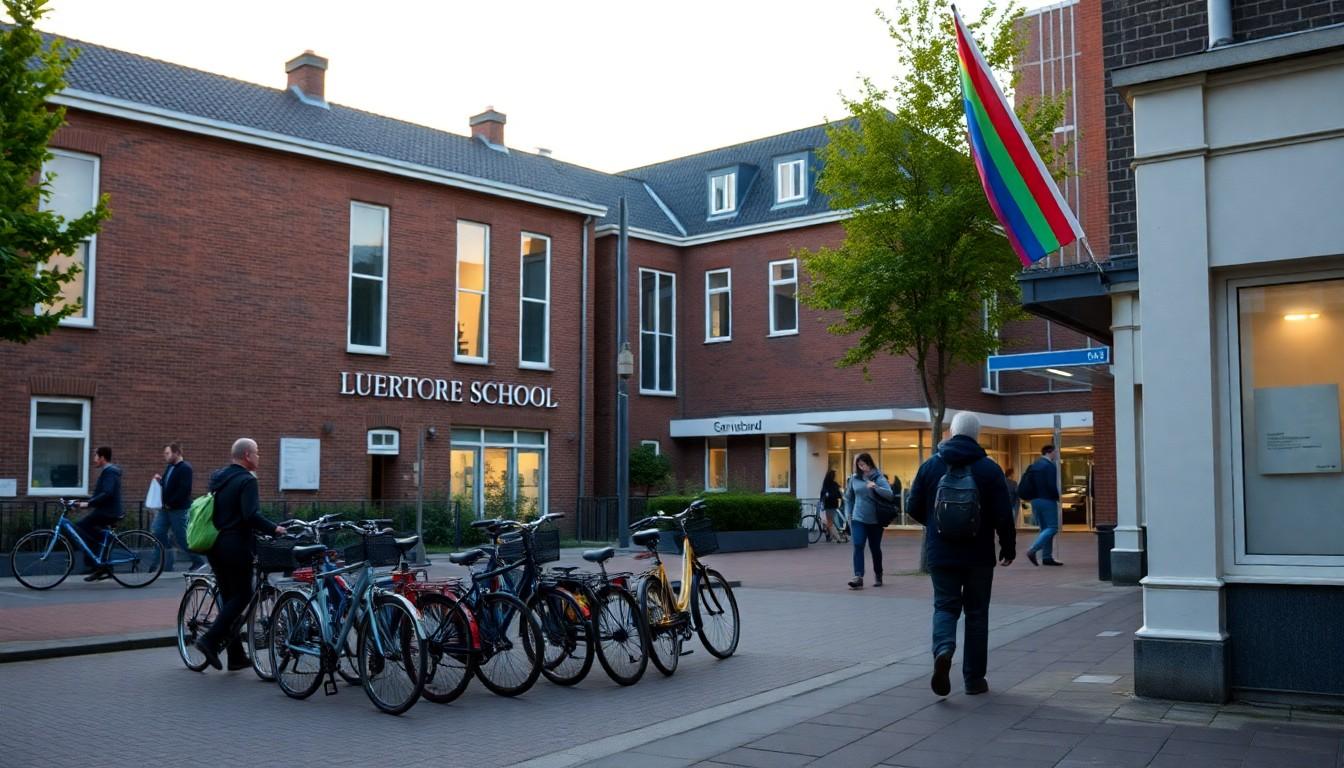
Shoppers, residents and visitors are still showing up for Pride in Amsterdam, but organisers warn acceptance needs defending; the city’s gay pride founder reflects on three decades of progress, continuing threats and what really keeps the parade both joyful and necessary.
Essential Takeaways
- Founding spirit: Siep de Haan helped start Amsterdam Pride to celebrate openness rather than only protest, creating a festive, mixed crowd feel.
- Legal gains: The Netherlands led with same-sex marriage and visible queer representation in public life, making legal equality a global example.
- Visibility with caveats: Corporate support and big events increase safety and solidarity, yet accusations of pinkwashing and persistent prejudice complicate things.
- Safety concerns: Many LGBTQ+ young people still fear walking hand in hand; schools report worrying levels of intolerance among pupils.
- Actionable fix: Organisers and educators call for firmer correction of discriminatory behaviour, not just conversations, to protect younger generations.
Pride began as celebration, not just protest , and it still feels like one
Amsterdam Pride was born out of delight as much as demand, and you can still sense that bright, crowded summer energy as canal boats fill the waterways. Siep de Haan and his friends wanted an event where drag queens, hetero families and queer people mixed freely, and that carnival-invite approach made Pride accessible from the start. According to the Pride Amsterdam organisers, this inclusivity helped the festival grow into an international draw and a platform for visibility. If you want to feel the city’s solidarity, a summer canal parade is still the place to see it.
Legal wins changed lives , and gave Amsterdam a global role model
The Netherlands’ decision to legalise same-sex marriage was seismic, and politicians and campaigners here like to point out how that law became a moral export. That kind of legal recognition has tangible effects: public jobs, media representation and cultural institutions now include queer stories in ways that felt impossible decades ago. But law alone doesn’t erase prejudice , it creates space for progress while social attitudes still catch up. For anyone tracking social change, Amsterdam shows how policy and visibility can combine to reshape everyday life.
Corporate floats bring support , and uncomfortable questions
Big-name sponsors and workplace inclusion programmes have become part of Pride’s landscape, and organisers welcome the backing when companies show up on boats and in museums. Yet critics warn about pinkwashing , firms that use Pride to polish their image without changing internal culture. The compromise many accept is conditional: sponsorship is welcome when it’s backed by real policies on diversity at work. For shoppers and festivalgoers, a quick check of a company’s track record is a reasonable way to tell whether their rainbow is sincere.
Young people’s fear is the festival’s sobering undercurrent
Despite three decades of visible progress, many queer youngsters say they won’t join the boats because they fear being targeted. That quiet, anxious detail undercuts the bright photos and reminds you why Pride still matters. Former teachers and organisers report that intolerance has crept into schools, and that up to 40 per cent of pupils don’t see LGBTQ+ people as equals. That’s why organisers argue the response must be firmer than discussion alone , clear sanctions, education and visible support can help protect vulnerable students.
What actually helps: clearer rules, tougher correction, more contact
De Haan and others propose practical moves: correct discriminatory remarks in class, assign consequences for hateful behaviour and make cross-community encounters normal rather than exceptional. Small, consistent interventions , an after-school conversation, an enforced reprimand, a shared project between different groups , can change the classroom climate. And at Pride, inviting families, colleagues and allies to take part visibly signals that queer people belong in public life, not just at events.
It’s a parade of progress and an act of protection at once , one small change can make every summer stroll safer.
Source Reference Map
Story idea inspired by: [1]
Sources by paragraph: