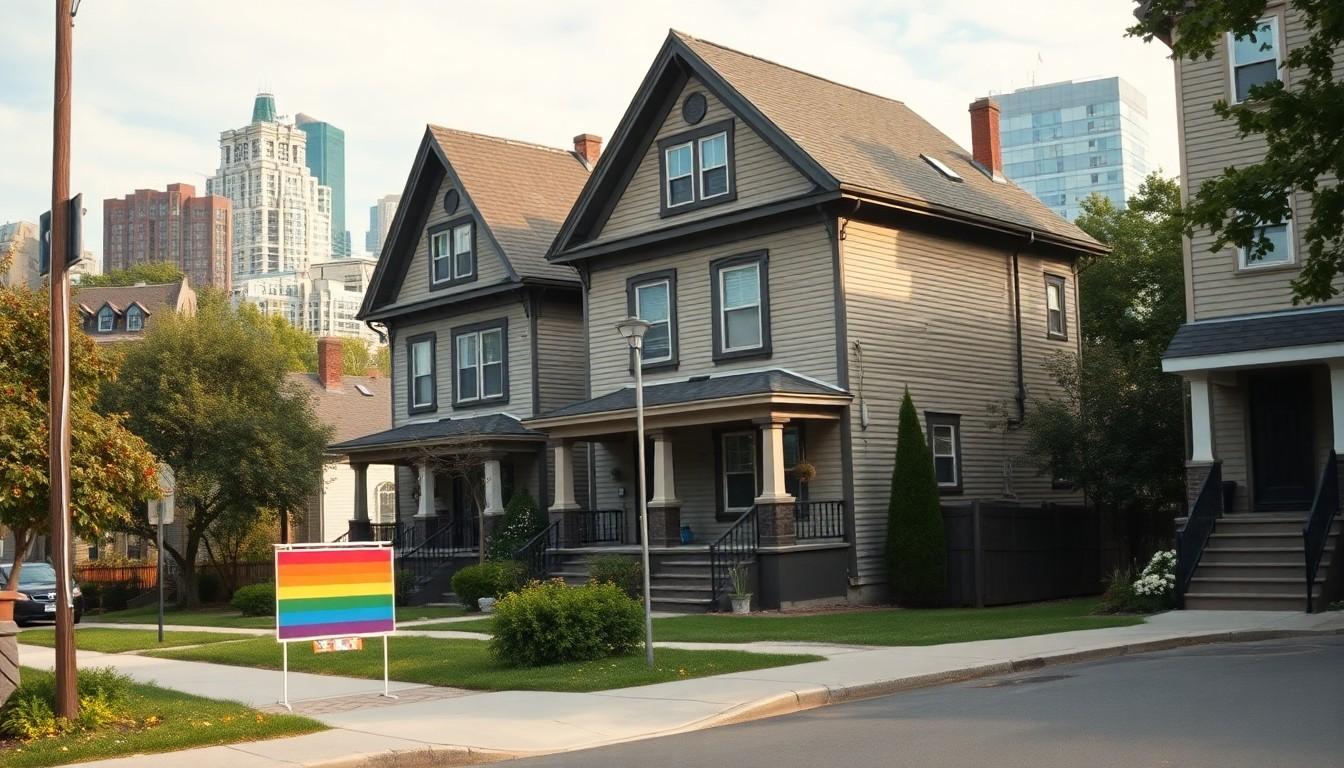
Shoppers are increasingly choosing neighbourhoods that feel like home, but LGBTQ+ buyers still face an ownership gap that matters. Here’s what queer buyers in Pittsburgh and beyond are asking, the protections available, and practical tips to make the move feel safer, fairer and more manageable.
Essential Takeaways
- Ownership gap: LGBTQ+ homeownership rates sit around 51% versus 71% for straight, cisgender people, and transgender homeownership can be much lower.
- Legal protections exist: Federal and Pennsylvania law prohibit discrimination in lending and housing by sexual orientation; awareness is uneven.
- Practical concerns: Down payments, gifted funds and who goes on the loan or title top the questions buyers ask.
- Preference patterns: Many queer buyers favour fixer-uppers they can personalise, and walkable areas close to city centres.
- Simple first steps: Start with an affordable first-time buyer plan, talk to a trusted advisor, and sort title and estate plans early.
Why the LGBTQ homeownership gap still matters
There’s a quiet practical cost behind the percentages: lower rates of homeownership mean less wealth-building and fewer secure spaces for families. According to the Urban Institute, queer people overall buy homes at lower rates, and transgender people face the steepest shortfall. That statistic has a human echo in conversations with mortgage advisors who say clients often arrive anxious about whether they’ll be judged or treated fairly. Awareness of anti-discrimination protections exists in law, but not always in people’s lived experience, which is why this gap persists.
What protections you actually have , and where confusion appears
Federal law bars discrimination in lending by sexual orientation, and state rules in places like Pennsylvania extend equal treatment for same-sex married couples. Still, many buyers don’t know those safeguards or mistrust the system. Mortgage advisors report routine questions about what happens if only one partner is on the loan, or how gifted funds should be documented. Practical advice: get clear legal and financial coaching early, and confirm who’s on the title versus the mortgage so your rights and responsibilities are explicit.
Choosing the right neighbourhood: safety, walkability and community
Most people ask first where they’ll feel comfortable living. In many cities, acceptance tends to increase closer to downtown hubs, with the trade-off being higher prices. Buyers often prioritise walkability, cafes and community assets, while families may seek move-in-ready homes. If you’re relocating, talk to local agents or community groups and visit at different times of day. Your gut about a neighbourhood matters, but mixing that with verified crime, school and transit data gives a clearer picture.
Money matters: down payments, joint accounts and practical structuring
Financial questions are surprisingly universal: how much for a down payment, can you use joint savings, and how to handle gifted funds. Advisors say unmarried couples should be especially careful about title and legal protections, if you plan to marry later, that changes the options. A useful rule: match who’s on the mortgage to who has financial liability, and use wills or cohabitation agreements to cover unexpected events. If you’re buying a fixer-upper to save money, budget for renovations and permits so your financial plan stays realistic.
Why many LGBTQ buyers choose fixer-uppers , and how to make them work
There’s a creative streak in many queer households: older homes that need love and a fresh coat of paint are attractive because they’re blank canvases. That choice can stretch buying power and let you personalise space, but it adds complexity: contractor sourcing, timelines and living through renovations. If you go this route, get clear quotes, keep a 10–20% contingency, and confirm any structural or zoning constraints before signing. It’s a way to build equity and identity at once, but plan it like a project.
How data and outreach could close the gap
Researchers at the Urban Institute argue we need better housing and mortgage market data to pinpoint where gaps occur and who’s left behind. Tools that promote fair access and clearer reporting would help regulators and lenders respond. On the ground, simple outreach, visible queer-friendly advisors, easily accessible information about rights, and community seminars, can turn hesitation into action. For now, personal networks and trusted advisors remain the most practical route to confidence.
It's a small change in approach that can make homebuying safer and more joyful for queer buyers.
Source Reference Map
Story idea inspired by: [1]
Sources by paragraph: