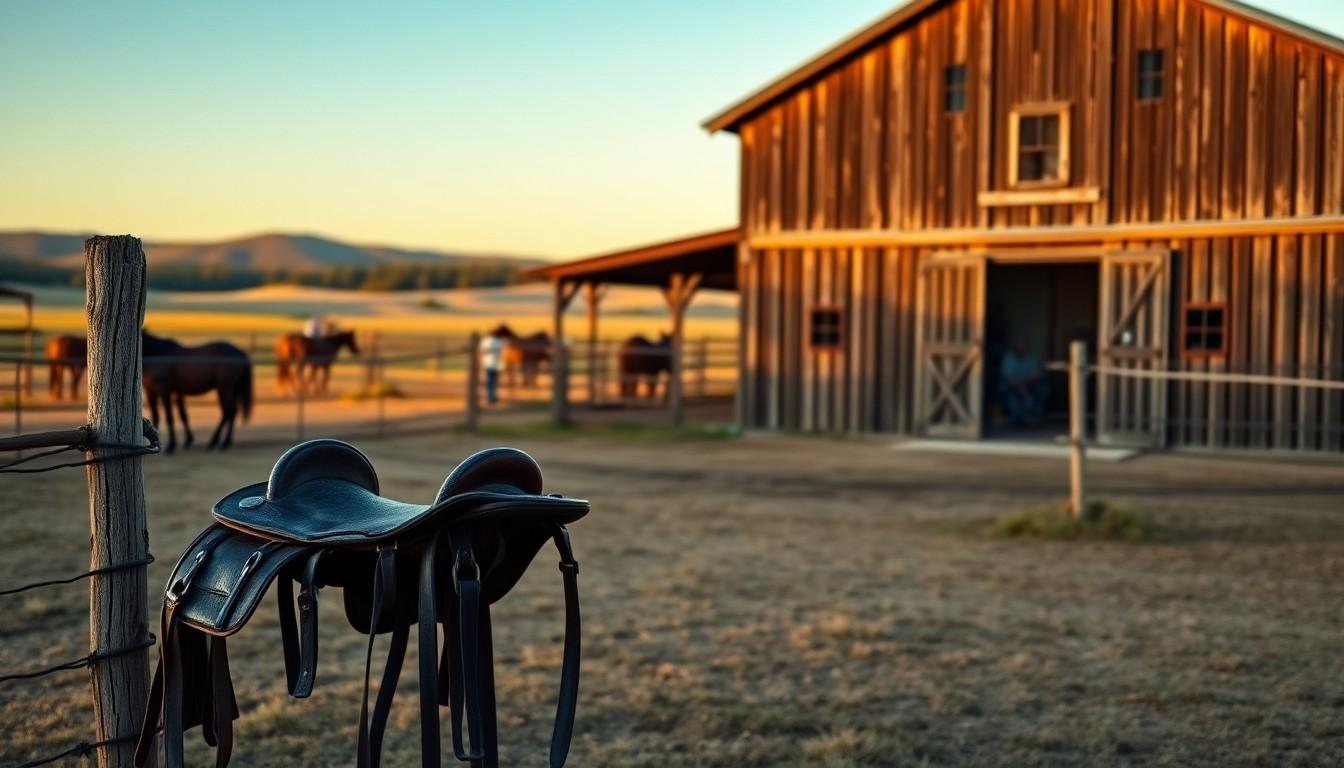
Spot a Stetson, swap a wink: social feeds are filling with gay cowboy images as National Day of the Cowboy brings young and old cowboys into view, celebrating identity, craft and culture , and reminding us that the range has always had room for queer lives.
Essential Takeaways
- National moment: July’s National Day of the Cowboy has pushed cowboy imagery , including openly gay cowboys , into social feeds nationwide.
- Visible and varied: Posts tagged #gaycowboy show a mix of farmhands, rodeo riders and rural workers, often with a proud, playful vibe.
- Historical thread: Gay cowboys aren’t new; historians and communities point to longstanding queer presence in western work and culture.
- Practical note: If you’re sharing cowboy content, respect real people’s labour and context , ask before reposting workplace photos.
Why gay cowboy pics are trending again
Social platforms are cyclical, and celebrations like the National Day of the Cowboy give people a reason to dress up, post up and show off. The scene this year is less about kitsch and more about ordinary people in hats and boots letting their identities show. The look is tactile , the worn leather, the sun-faded shirt , and that texture helps make the posts feel authentic rather than performative. Observers say this isn’t just a fashion moment; it’s visibility rooted in real lives.
A reminder: the cowboy story has always had queer chapters
Folklore and history aren’t silent on this. Scholars and oral histories have long noted same-sex relationships and gender variance on the range, and that heritage is now surfacing in modern posts. The National Day of the Cowboy gave a timely nudge: institutions and rodeo communities mark the date, and that collective attention makes room for varied voices. It’s an important corrective to the one-note cowboy myth, and it helps people see themselves in a tradition they might’ve thought excluded them.
From Reddit to Instagram: where the conversation is happening
Communities like Reddit’s r/gaybrosgonemild and photo tags such as #gaycowboy are where people swap stories, jokes and pictures. Contributors include rural workers, professional equestrians and trans and non-binary folks who’ve spent years around horses and cattle. The thread is equal parts camaraderie and quiet testimony: commenters share anecdotes , the kind of small-town, lived-in detail that changes assumptions. For anyone curious, start by following tags and listening before you like or repost.
The look, the craft, and why it resonates
What draws eyes is as much craft as aesthetics. People aren’t just posing , they’re showing skills: roping, riding broncs, tending livestock. That competence humanises the image and makes it more than a costume. For photographers and posters, the advice is simple: capture work in motion, respect the subject’s workplace safety, and avoid commodifying labour for clicks. For viewers, it’s a reminder that style and substance can coexist , and that a cowboy’s hands, callused and steady, tell a lot of the story.
How to support and share cowboy stories responsibly
If you want to amplify these voices, do it with care. Ask permission before reposting, credit the original poster, and avoid framing people as novelties. Consider following rural queer creators, reading up on the history of LGBTQ+ folks in western life, and supporting rodeo and farming initiatives that are inclusive. Small acts , a respectful comment, a tagged share , help diversify the narrative without turning people into props.
It’s a small cultural shift with a big visual payoff: the cowboy image is expanding, and that’s worth tipping your hat to.
Source Reference Map
Story idea inspired by: [1]
Sources by paragraph: