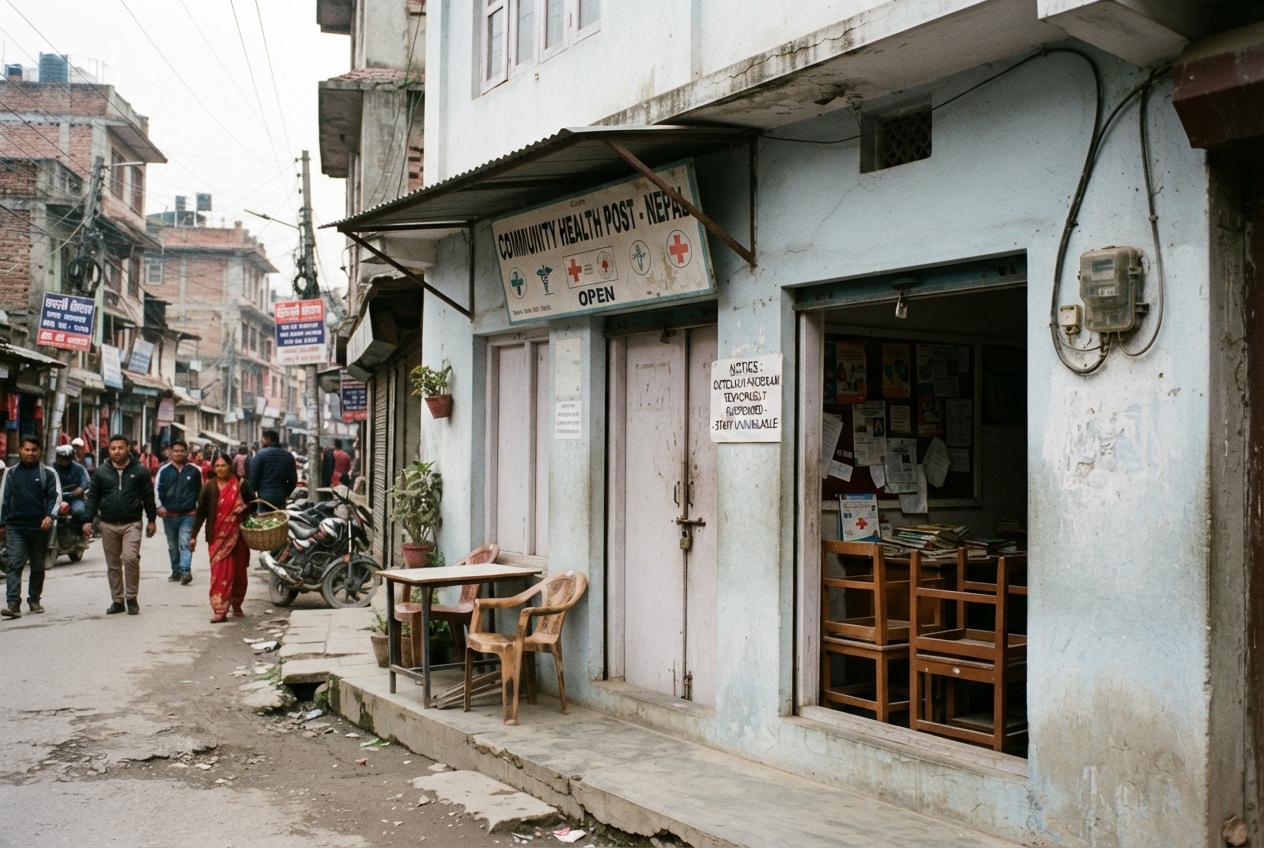
Shocked readers are learning how U.S. aid decisions ripple across the world: a review of what happened to HIV outreach in Nepal, who it hit hardest, and why the debate over USAID funding has become a political flashpoint that matters at home and abroad.
Essential Takeaways
- What happened: USAID paused or restructured funding, leaving several Nepalese NGOs suddenly short of cash and staff. Outreach clinics lost services such as free condoms, PrEP and antiretrovirals.
- Human impact: Hundreds of aid workers, including many transgender outreach staff, were laid off; some turned to sex work to survive, a move described as desperate and dangerous.
- Service loss: Thousands of clients lost access to prevention and treatment; local NGOs that had relied on US grants struggled to cover basic costs.
- Policy debate: Supporters of the cuts call for efficiency, alignment with US policy and exit plans; critics warn of immediate harm to vulnerable communities and public health backsliding.
- Practical angle: Sustainable foreign aid needs measurable goals, co‑funding from local partners, and transition plans to avoid abrupt service collapse.
Opening the scene: the clinics that once hummed quietly
The most vivid image to come out of the coverage is simple and human , outreach workers handing out condoms and medicine with a quiet, steady purpose. According to reporting, those services vanished when funding was paused, leaving clinics empty and clients unserved. The loss smells of suddenness; staff who had worked for years were told programs would stop.
The Associated Press showed how a small network of organisations depended heavily on a single funding source, and when the tap closed the ripple was immediate. People who’d spent their lives on prevention were suddenly unemployed, and in an environment with few legal job options for openly transgender people, survival choices were grim.
From outreach to the street: the painful pivot
Several reports describe outreach workers, including transgender staff, resorting to sex work after losing steady pay. That shift is raw and human: it’s not an ideological point, it’s about rent, food and dignity. The Washington Post and AP pieces document individuals who had spent years building trust with marginalised communities, now having to walk the same streets where they once counselled clients.
This is exactly where policy meets consequence. Critics argue the US review produced avoidable harm by cutting funding without robust transition plans. Supporters of the review counter that long‑term dependency on one donor is a design flaw; they say aid should bolster local funding and be time‑limited.
Why the cuts happened: a policy review, not a blanket ban
The funding shift followed a presidential executive order calling for a 90‑day pause and a review of foreign assistance, stressing alignment with US foreign policy and programmatic efficiency. That review triggered stop‑work orders and freezes that, in practice, halted new obligations and suspended several awards.
So it wasn’t an ideological ban on HIV work, but a pause aimed at reassessment. The problem was in execution: where the system had trained NGOs to budget around US dollars, the pause left little room for contingency. Journalists and policy analysts now debate whether that pause was implemented with adequate safeguards for the most vulnerable.
The debate: compassion versus sustainability
On one side, commentators and human‑interest reporting urged empathy, noting that prevention services reduce disease and protect communities across borders. On the other, critics pointed out that NGOs relying on one foreign government for 85% of their budget were at risk the moment that revenue stream dried up.
The middle ground is practical: experts recommend that aid programmes should include co‑funding requirements, clear performance metrics, and exit strategies so local actors aren’t stranded. That argument reframes the story from morality play to systems failure , and it’s where policy reforms could prevent repeat disasters.
What readers should watch next and what can be done
Expect further reporting on whether Nepalese health services recover and whether USAID imposes new standards for sustainability and transition planning. Local governments, international charities and regional partners all have roles to play in rebuilding services.
If you’re interested in advocacy or aid effectiveness, look for proposals that require shared costs, time‑bound funding, and contingency funds for staff when grants end. That’s the small, practical change most likely to keep clinics open and keep outreach workers off the pavement.
It's a small change that can make every outreach programme safer and more resilient.
Source Reference Map
Story idea inspired by: [1]
Sources by paragraph: