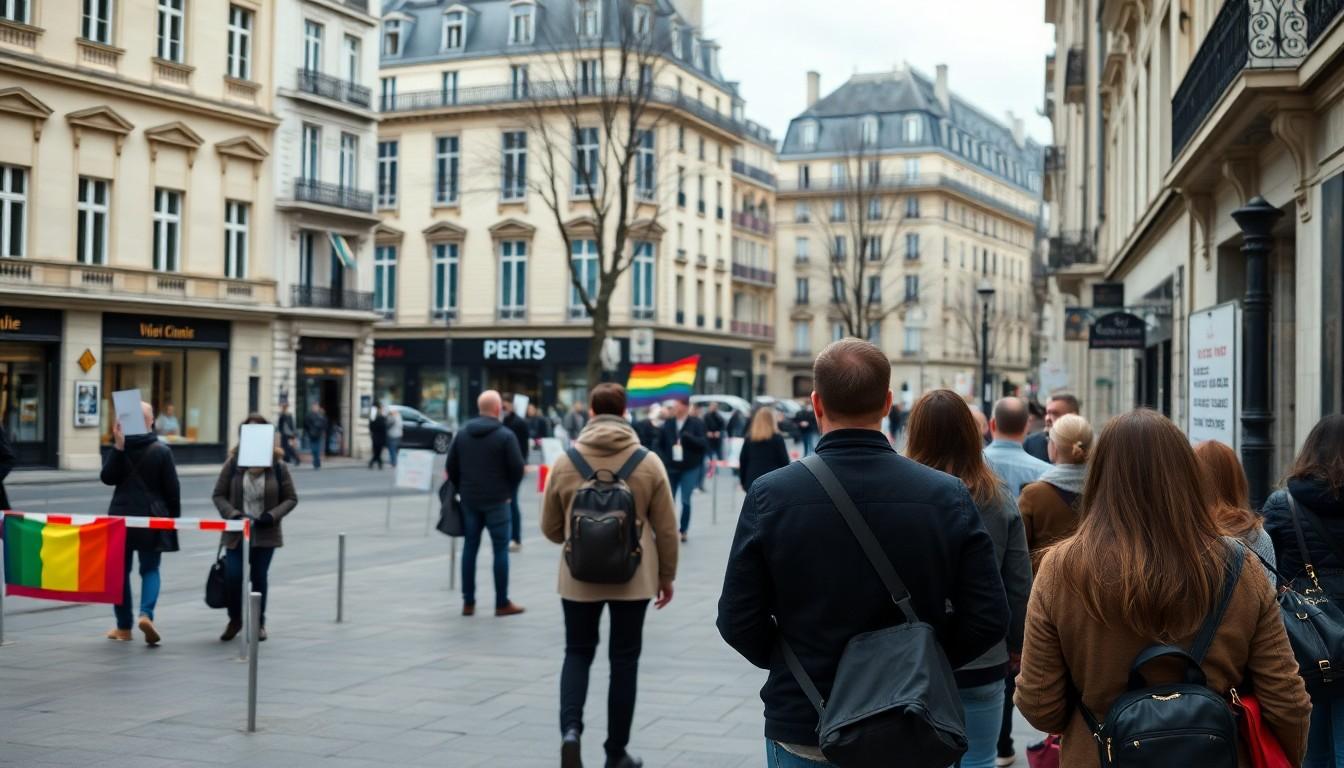
Shocking developments in Romania have drawn quick, visible support abroad. Paris’s deputy mayor publicly condemned Oradea’s decision to block Pride for the fourth year running, sparking international debate about rights, democracy and how cities in Europe respond to LGBTQ+ visibility.
Essential Takeaways
- Repeated ban: Oradea city hall has refused permission for the Pride march for a fourth consecutive year, citing "public morality" and conduct rules.
- International response: Paris deputy mayor Emmanuel Grégoire criticised the ban on social media and expressed solidarity with Romania’s LGBT+ community.
- Wider spotlight: The Guardian and multiple international organisations have reported and denounced Oradea’s decision, amplifying organisers’ complaints.
- Organisers’ plan: Groups ARK Oradea and ACCEPT say the decision is discriminatory and intend to hold a demonstration outside Oradea’s town hall.
- Human rights pressure: European bodies and local campaigners are calling on authorities to allow safe, peaceful assembly.
Why Paris’s reaction matters now
Paris’s deputy mayor went on X to call the Oradea ban “unacceptable,” and that short, sharp message cut through local noise with a splash of international pressure. A terse statement from a major European capital does two things: it signals diplomatic concern and gives organisers a louder platform. People who care about civil liberties react to tone as much as facts, and this one sounded like direct support.
The comment follows a long tradition of cross-border solidarity around Pride events. When a big city voice steps in, it nudges media and NGOs to look closer, which is exactly what happened here.
What organisers and local authorities are saying
Organisers ARK Oradea and ACCEPT call the refusal discriminatory and have vowed to gather in front of the mayoralty on 25 July at 16:00. They say the municipal decision is grounded in vague references to public morals and social conduct rather than concrete safety concerns. That frustration echoes in every report you read: the same bureaucratic roadblocks, repeated.
Meanwhile, the municipality defends its choices as upholding local regulations. Those explanations tend to resonate with a domestic audience , but less so with international observers who frame the issue as a rights question.
The international media and human rights response
The Guardian ran a substantial piece highlighting that Oradea’s Pride has been blocked four years running, giving organisers space to express their exasperation. Reuters-style reportage and outlets like Scene magazine and Forbidden Colours have also followed the story, creating a steady drumbeat of coverage.
European institutions have weighed in too. A Congress standing rapporteur on human rights urged Oradea’s authorities to ensure the march can proceed safely, showing this isn’t just noisy commentary but an institutional nudge.
What this means for Pride events across Europe
This dispute is about more than one city; it crystallises ongoing tensions in parts of Europe over visibility and public assembly. When one municipality repeatedly denies permission, it becomes a pattern worth watching , for activists, for residents and for travellers who expect basic freedoms across the EU.
Practical tip: if you plan to attend or report on contested events, check organisers’ official channels, arrive prepared for last-minute route changes, and consider solidarity actions that stay peaceful and lawful.
How organisers can keep momentum and safety in focus
Organisers benefit from wider attention: it draws legal, moral and logistical support. But visibility also raises security concerns. Coordinating with international NGOs, documenting denials, and seeking judicial review can all help. At the same time, on-the-ground teams should have clear safety plans, legal contacts and media spokespeople ready.
Expect more legal and diplomatic entreaties in the coming days, and possibly court action , activists and international partners rarely let a four-time ban pass without escalation.
It's a small change in tone from a Paris official, but it could matter a great deal to those who want to march in safety.
Source Reference Map
Story idea inspired by: [1]
Sources by paragraph: