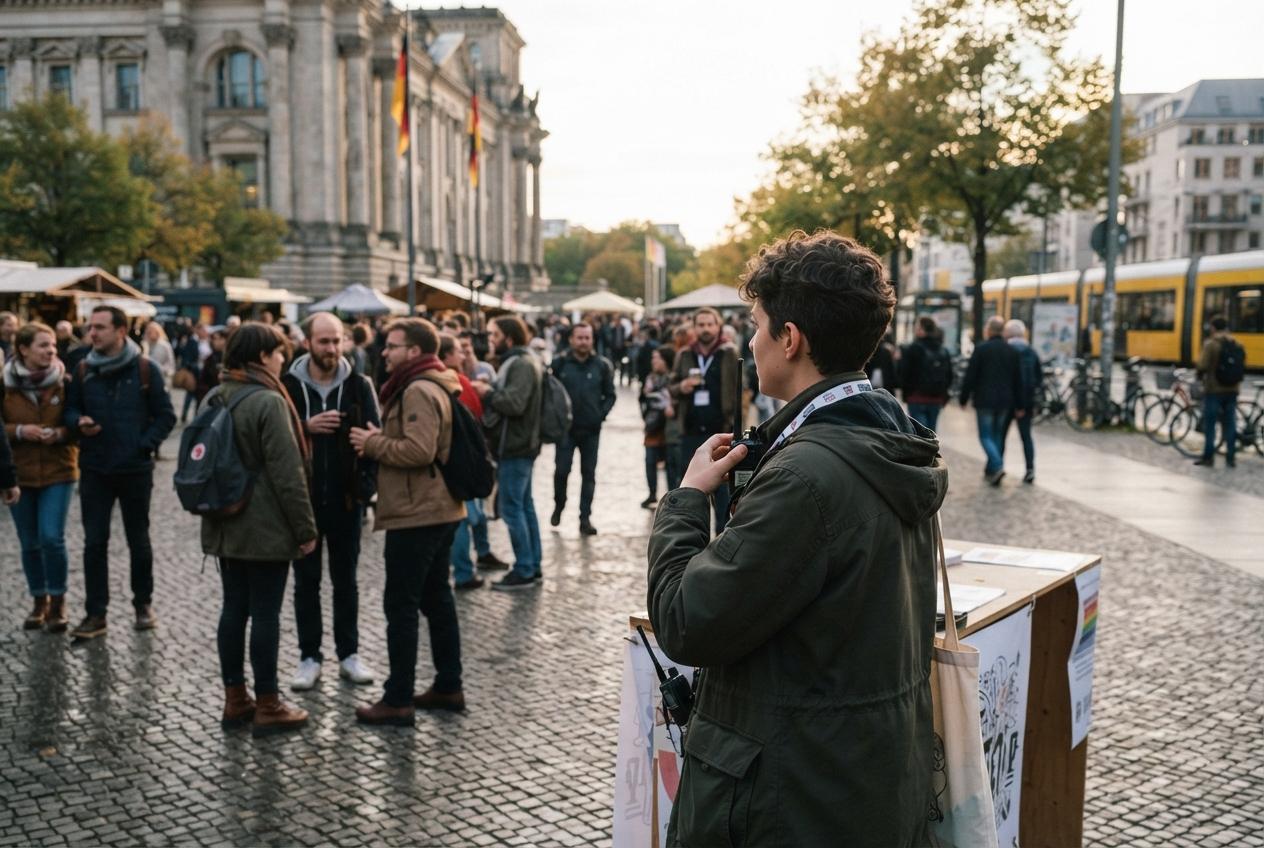
Shoppers, tourists and long-time activists will flood Berlin this weekend as Christopher Street Day returns , but organisers say the mood is tense. Hundreds of thousands are expected, and the parade is being used to push back against a rising tide of hate and political shifts that matter across Europe.
Essential Takeaways
- Large turnout expected: Berlin CSD draws hundreds of thousands, making it one of Europe’s biggest Pride events.
- Stronger message this year: The 2024 motto emphasises conviction and visibility, aimed at countering rollbacks in rights.
- Safety concerns grow: Organisers point to rising hate crimes and far-right mobilisation in other German cities as worrying signs.
- Official support visible: Berlin’s mayor and state government plan to participate publicly, signalling institutional backing.
- Practical note: Police are monitoring counter-demonstrations, but organisers say coordination with authorities is close and calm.
A huge, colourful rally with a sharper edge
Berlin’s Christopher Street Day is famously vivid , rainbow flags, music, and a carnival feel , but this year there’s a harder beat underneath. Organisers told press that queer people face mounting pressure worldwide, and the parade’s tone reflects that. You can expect the usual visual spectacle, but also stronger political messaging and demands for concrete protections.
Why the motto matters: “Having convictions is hot”
The CSD’s 2024 slogan is part rallying cry, part branding that signals purpose. According to event literature, the motto frames Pride as both celebration and protest, insisting visibility must come with conviction. That matters because activists want attention turned into policy: better hate‑crime responses, safer public spaces, and legal protections that don’t get rolled back.
Political context: far-right gains and local concern
Organisers are watching election terrain nervously. Polling in some states shows spikes for the Alternative for Germany, and activists link those trends to increased hostility toward LGBTQ+ communities elsewhere. Reports from cities such as Bautzen and Leipzig where far-right groups have contested Pride marches feed into a wider worry: if politics shifts, cultural tolerance can shrink fast.
Safety and policing: planning for trouble, hoping for calm
Police presence will be visible, and authorities are prepared for small counter-demonstrations. Organisers stress they’re in close contact with law enforcement and not unduly alarmed, noting similar attempts to disrupt Pride in Berlin have had limited traction previously. Still, the ask is clear: better policing of hate crimes and swift action when incidents occur.
Why government participation matters
This year Berlin’s mayor and the state government will take part directly, even fielding their own float. That’s a symbolic step that signals official solidarity and might reassure participants. It also nudges the conversation from streets to institutions: when city leadership turns up, it becomes harder to dismiss calls for policy change and protection.
What to look for if you go
Expect a blend of party and politics: colourful costumes and DJs alongside banners demanding legal and social change. Keep practicalities in mind , arrive early, use public transport, and be mindful of areas where counter-protests might gather. If you’re watching from home, look for speeches and demands that aim to turn visibility into action, not just celebration.
It's a small change that can make every march mean more than a party.
Source Reference Map
Story idea inspired by: [1]
Sources by paragraph: