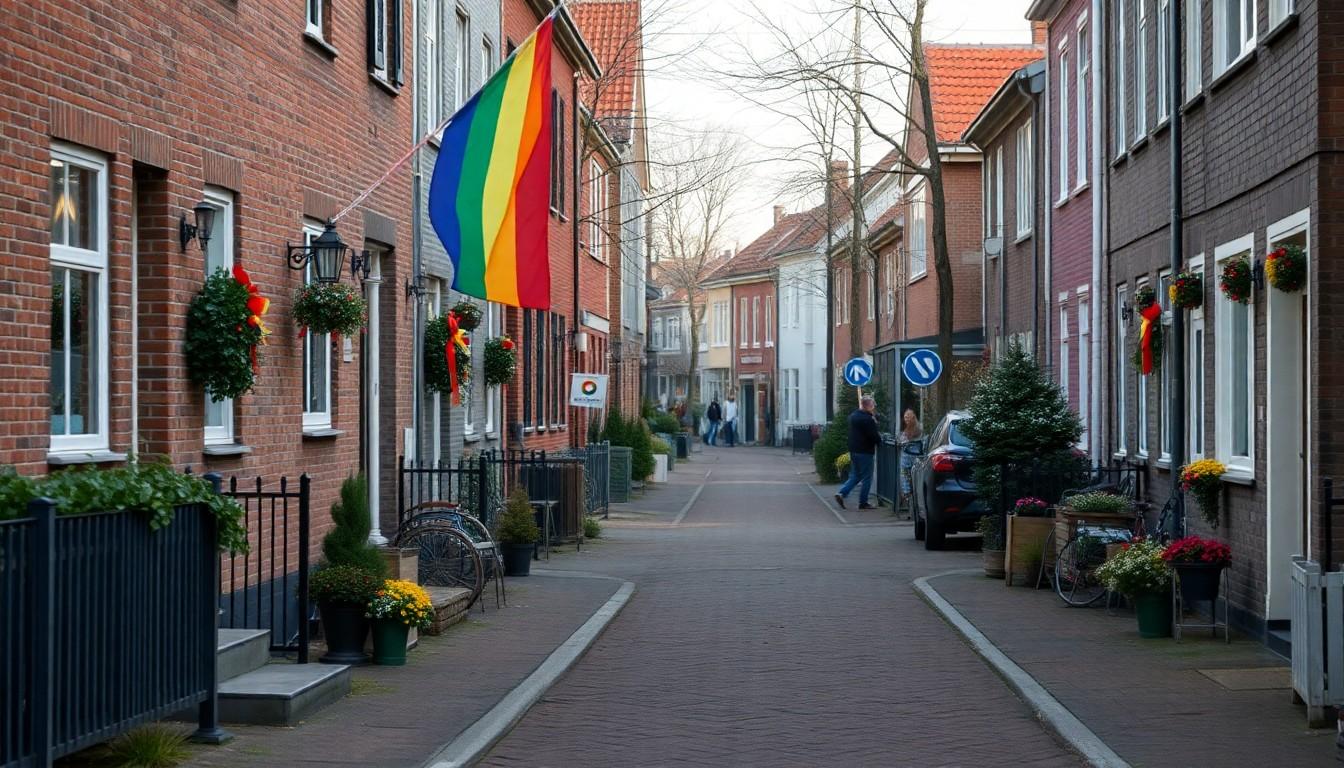
Shoppers and visitors will see a splash of colour this August as neighbours in Zierikzee transform the Nieuwe Bogerdstraat into an informal Pride display, organised for an old friend who hid his sexuality for years , a gentle, local answer to a cancelled Prideboat that matters to people and community.
Essential Takeaways
- Local action: Neighbours in the Nieuwe Bogerdstraat are decorating their historic street with rainbow flags during the Havendagen after a planned Prideboat was not approved.
- Personal story: The tribute is for Cor, who spent a decade in the closet growing up in a conservative, religious Zierikzee family and later moved to Rotterdam.
- Community feel: The effort is warm, non-confrontational and meant to support visibility and belonging rather than protest.
- Senses and mood: Expect a bright, tactile display , flags, bunting and community banter , and an atmosphere that's inclusive, affectionate and quietly defiant.
- Practical note: The Havendagen run 20–22 August, and the street display is timed to coincide with the festival.
Why one street's rainbow matters more than you might think
The image of a narrow, cobbled street hung with flags is both visual and deeply human, and it lands harder when you know why it's happening. According to local reporting, residents decided to cover the Nieuwe Bogerdstraat in rainbow colours after organisers declined a proposal for a Prideboat during the Havendagen. They weren't out to pick a fight; they simply wanted to do something visible for a friend who'd suffered in silence for years.
That personal angle changes the tone. This isn't a citywide demonstration so much as a neighbourhood saying: we see you, we remember you, and we choose to make room for you in our festival. It's a small, tactile act of solidarity , flags that flap in the harbour breeze, colourful bunting, neighbours chatting on doorsteps.
How Cor's story explains the display
Cor grew up in a devout household in Zierikzee, where his early difference was ignored and later met with jokes and silence. He told his story of hiding his sexuality for a decade, only coming to terms with it in adulthood and eventually moving to Rotterdam. Long, quiet struggles with belonging and identity are common among people raised in conservative communities, and they help explain why visibility matters.
The street's rainbow is aimed at those quieter, human effects: people who still feel the sting of exclusion, and those who might be afraid to be open. For Cor, seeing the flags is a recognition of a past that was difficult but survived , and a reminder that communities can change, sometimes through very small, loving gestures.
What the cancelled Prideboat reveals about local tensions
The Prideboat idea was simple and symbolic: one vessel in rainbow colours among the mossel boats during the Havendagen. But organisers said they weren't ready for that kind of event within the festival and framed the decision as wanting to avoid politicising the Havendagen. That position, however, didn't sit well with some locals who pointed out other political flags had flown at the event in previous years.
The kerfuffle shows how public celebrations can quickly become battlegrounds for what counts as political. For residents who proposed the street display, the response was pragmatic: if you can't take the Pride onto the water, take it to the street , where neighbours can join in without permits or speeches.
How neighbours put the plan together , simple, joyful, and inclusive
The idea spread fast in the Nieuwe Bogerdstraat. Neighbours pooled ideas and materials: flags, bunting, even light-hearted decorations from previous years. The street is small, diverse and close-knit , young, old, long-term locals and newcomers all live side by side , which made organising unusually easy. There's an element of playful mischief, too; last year the street decorations leaned into camp and humour, and this year they're leaning into colour and care.
Practical tip: if you plan a similar local display, coordinate with nearby residents early, keep decorations weather-proof, and check festival guidance about attachments or safety near the harbour.
Why small acts of visibility still matter nationally
The row over a single Prideboat in a Zeeland town might seem minor, but it echoes a broader conversation across the Netherlands and beyond about visibility, acceptance and the limits of neutrality. Studies and personal accounts show that people from orthodox or conservative backgrounds often face prolonged challenges when coming out, and community gestures can play a meaningful part in repair.
There's no dramatic activism here, just neighbours choosing to show up. That softness is important: public visibility doesn't always have to be confrontational to be powerful. For some, a handful of flags in a favourite street is the first sign that the wider world might be kinder than childhood suggested.
It's a small change that can make every visit home feel a little safer.
Source Reference Map
Story idea inspired by: [1]
Sources by paragraph: