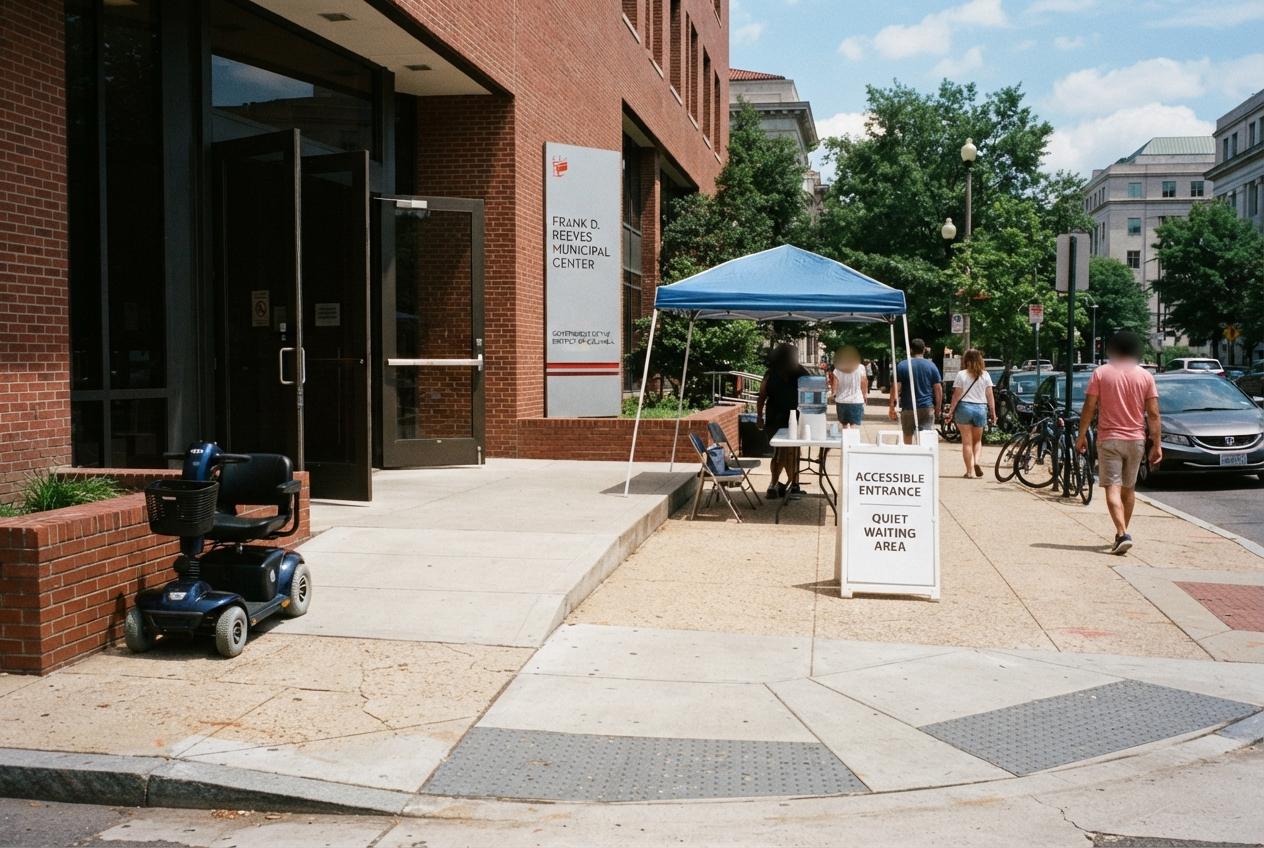
Remember accessibility when you plan Pride , organisers, volunteers and allies can make parades, festivals and protests welcoming by design rather than as an afterthought, so disabled queer people can join the celebration and the struggle.
Essential Takeaways
- Plan early: build accessibility into event design from the start, not added later.
- Basic comforts matter: shaded seating, water, quiet zones and chairs make long days survivable.
- Communication access: provide ASL interpretation, captioning and audio description for main stages and talks.
- Sensory supports: earplugs, noise-reduction areas and clear signage help autistic and sensory-sensitive attendees.
- Leadership inclusion: elect and fund disabled queer people for planning roles to avoid tokenism and ensure needs are met.
Why accessibility should be the first item on any Pride checklist
If Pride is meant to be a visible protest and a community celebration, it should feel possible for everyone to attend, touch, taste and hear the moment. When organisers wait until the logistics are set to “add” accessibility, the result is often patchy: a few ramps here, a volunteer there, but no consistent plan. From my own experience and the accounts shared across community groups, that piecemeal approach leaves people out and sends a clear message about who’s wanted. Planning from day one changes the tone of an event and makes it genuinely inclusive.
Small comforts, big impact: shade, seating and hydration
Long parades and festival sites are physically demanding. Shade, accessible seating, rest areas and stations with free water and light snacks are simple to provide yet transformative in practice. Many Pride sites already list accessibility features on their websites, but having physical, staffed rest points makes it real on the day. Think of these spots as tiny oases for anyone with mobility, heat sensitivity, or chronic illness , and yes, everyone will appreciate them on a hot afternoon.
Communication access is non-negotiable
Stages, speeches and workshops are central to Pride’s political voice. Captioning, live-ASL and audio description should be standard on main stages and ticketed programming. These services aren’t luxuries; they let people engage politically and socially. Plenty of regional Pride organisations already publish dedicated accessibility pages explaining what’s available and how to request supports, so follow those models and publicise them early. It also helps to train MCs and performers to describe visual moments and to pause for interpretation.
Sensory-friendly planning: quiet spaces and toolkit stations
The carnival of Pride, music, crowds, smells, can be overwhelming for autistic people and those with sensory sensitivities. Quiet or low-sensory areas, clear signage for sensory-friendly routes, and on-site toolkits (earplugs, sunglasses, headphones) make the difference between participation and exclusion. Event maps should mark these zones clearly, and volunteers should know how to guide people there. Offering pre-event sensory guides or virtual walk-throughs helps attendees plan their day and feel safe arriving.
Representation matters: include disabled queer people in leadership
Accessibility isn’t just about services, it’s about who shapes the event. Electing and compensating disabled queer people for board and planning roles ensures decisions reflect lived experience rather than assumptions. Token consultation isn’t enough; make pathways to leadership, fund accessibility budgets up front, and set measurable goals so accommodations aren’t an optional extra. When leadership reflects the community, events change from performance to genuine inclusion.
Practical tips for organisers and allies
Start with a budget line for accessibility and advertise it widely. Offer multiple routes and transport information, and coordinate with accessible public transit or community rides. Create a volunteer accessibility team trained in disability etiquette. Publish an accessibility guide with maps and sensory notes well before the day. Finally, ask for feedback afterwards and commit to visible changes for the next year , real inclusion is iterative.
It's a small shift in planning that can make a huge difference in who shows up and who stays safe, seen and heard.
Source Reference Map
Story idea inspired by: [1]
Sources by paragraph: