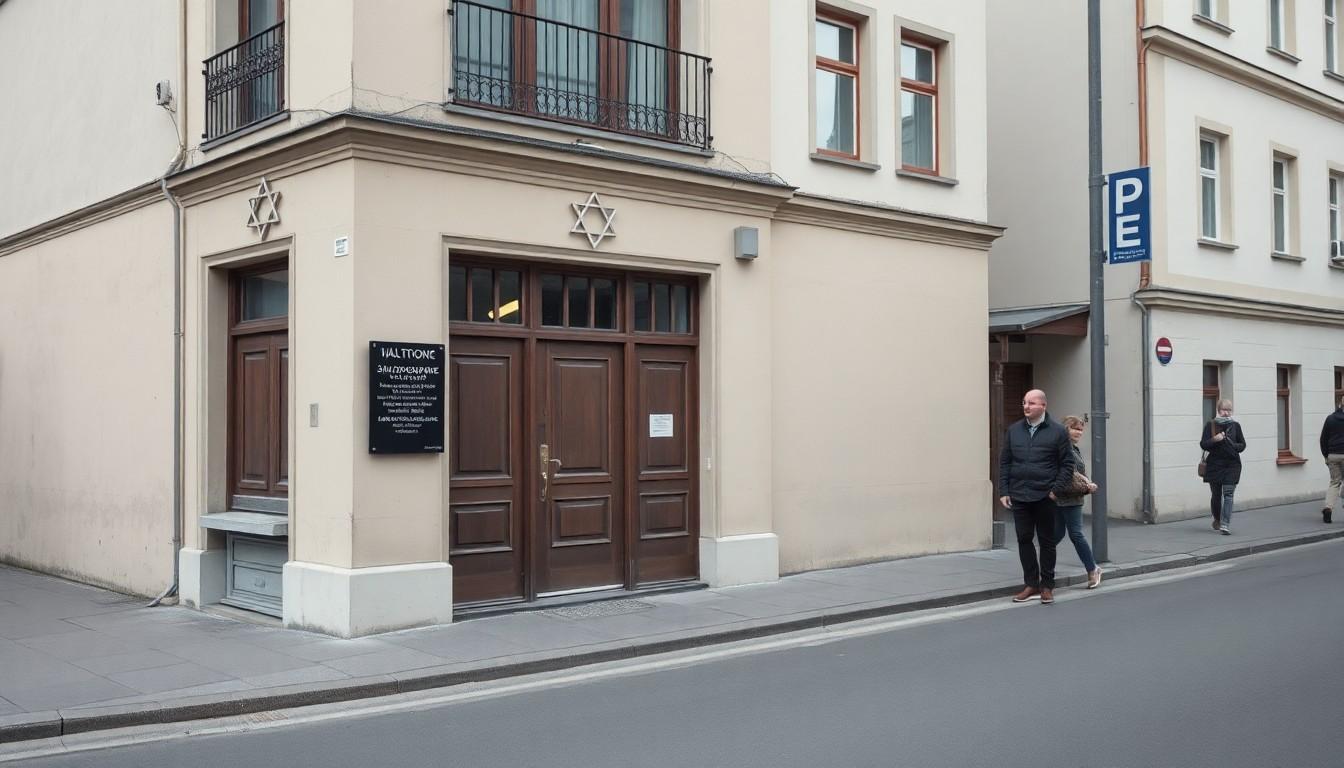
Noting rising antisemitism and shifting queer spaces, many gay Jewish people are re-evaluating where to build a life , and why Berlin and London each feel different. This piece looks at community, language, culture and safety so you can weigh where your next chapter might flourish.
- Distinct communities: Berlin’s Jewish scene is multilingual and diasporic, with strong Russian, Hebrew and Latin American threads; London remains more anglophone and institutionally established.
- Safety concerns: Antisemitic incidents have pushed many to seek protected Jewish spaces; some queer venues feel less welcoming, prompting people to prefer synagogue-based or community-run events.
- Food and culture: There’s a lively kosher and Jewish-fusion food scene in Berlin, plus festivals and club nights that blend queer and Jewish life; London still offers a broader, longer-established choice.
- Social ease: Language matters , English-speakers adapt quickly in Berlin but immersion in local Jewish life often requires German, Russian or Hebrew.
- Community renewal: Increased hostility has spurred creative, cross-cultural Jewish gatherings in both cities, from Latin American Kabbalat Shabbats to queer-specific programming.
Why Berlin feels like a plural, multilingual Jewish home
Berlin hits you first as a patchwork of languages and tastes , you’ll hear Hebrew, Russian, German and Spanish at the same event, and it’s pleasantly noisy and alive. The city’s post‑Soviet immigration after the fall of the USSR created a large Russian-speaking Jewish community, while Latin American exiles and Israeli migrants have added extra colour. That mix makes for cultural events that are equally likely to feature empanadas as rugelach, and a memorial in Spanish as readily as in German. If you love the buzz of diasporic overlap, Berlin can feel refreshingly inclusive.
The multicultural character didn’t arrive overnight. Germany’s post‑war emphasis on Holocaust education and the later influx of Jewish refugees shaped a community that’s both historically conscious and newly plural. For newcomers this means there are plenty of entry points, but also a tacit expectation: to belong fully you often need to pick up at least a bit of the local tongues. Practical tip: learn a little German and Hebrew if you want to attend synagogue regularly, and a smattering of Russian will unlock many social circles.
The London baseline: established institutions, familiar comforts
London still benefits from decades of established Jewish life , synagogues, community centres, charities and a massive cultural infrastructure. That institutional weight gives the city resilience and predictable programming, from communal festivals to educational offerings. For anglophone gay Jews, that can mean smoother access to services, familiar liturgies and larger, long‑running organisations.
But institutions don’t insulate you from politics. The Labour years under Jeremy Corbyn left many British Jews feeling exposed, and debates about antisemitism in politics still colour how some people experience public life here. If you choose London, you’ll probably trade some of Berlin’s rambunctious multilingual energy for steadier, English‑centred community networks and easier day‑to‑day communication.
Safety, queer spaces and where people feel welcome
Across both cities, reports of antisemitic harassment have changed behaviour: people cluster into safer, protected spaces and Jewish groups are increasingly explicit about openness to LGBTQ+ members. In Berlin that has meant more Jewish queer events and initiatives that foreground both identities, while in London synagogues and community centres continue to police events carefully and offer large, visible communal moments.
Yet queer spaces aren’t immune. Some queer venues in Berlin that once felt welcoming have shifted as tensions grew; similar pressures have reshaped nightlife in London too. Practical advice: look for community-backed or synagogue-associated queer programming if safety is a priority, and get referrals before joining tightly organised online groups , organisers often vet new members for security reasons.
Food, festivals and the social glue of community life
Food and celebration are where both cities shine: Berlin’s Kosher Street Food Festival and people‑run events bring together Latin American cooking, Uzbek plov and Israeli staples, while London’s long Jewish culinary traditions and festival circuits offer breadth and depth. Shared meals and club nights , think Karneval de Purim or rumbling synagogue socials , are where people reconnect after worrying months.
These communal rituals matter precisely because exclusion has increased. In practice, that means more grassroots initiatives cropping up: pop‑up dinners, multilingual services, and creative cultural nights that stitch together queer and Jewish identities. If you love discovering new takes on Jewish cuisine and music, Berlin might feel like an adventure; if you prefer a wide, established scene with plenty of options, London still delivers.
How to choose where to move, practically speaking
Start with safety and language. If you don’t speak German, plan how you’ll access services in English and where multilingual communities meet. Visit neighbourhoods and community hubs, and ask about security measures at events. Check the size and vibe of the queer Jewish scene that matters to you , is it activist and grassroots, or institutionally run? Consider work, visas and residency logistics too: Brexit reshaped many people’s reasons for moving, and practical residency status remains a key factor.
Finally, listen to local voices. Community organisers, synagogue boards and on-the-ground reporting reveal how people are responding to rising antisemitism and changing queer spaces. Joining a few local groups before you commit will quickly tell you whether you’ll feel seen and safe.
It's a small change that can make every gathering feel a little more like home.
Source Reference Map
Story idea inspired by: [1]
Sources by paragraph: