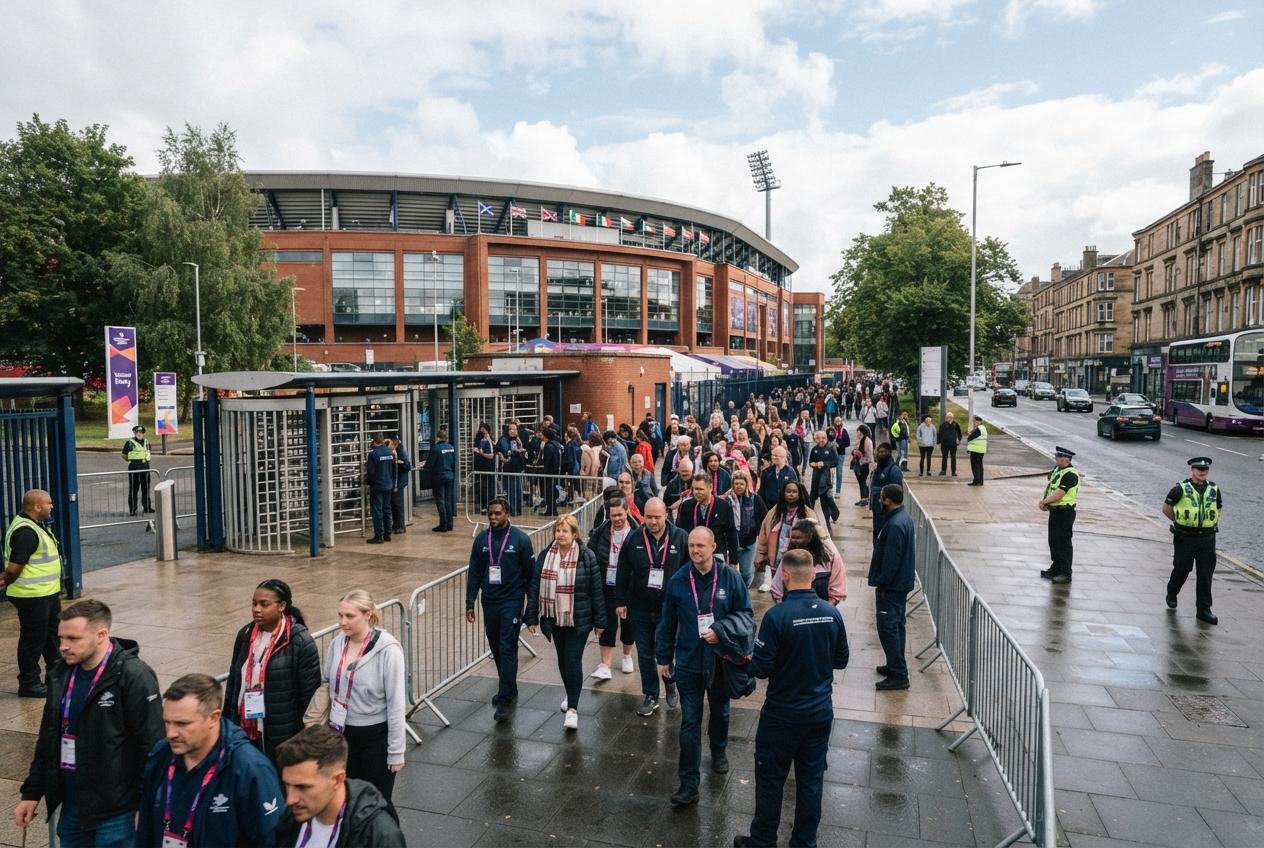
Shout it from the stands: queer athletes are a visible, thriving part of Team Commonwealth this summer. From 3x3 basketball sparks to track, boxing and wheelchair sport, fans are finding new favourites at Glasgow 2026 , and why their presence matters beyond the medals.
Essential Takeaways
- Notable competitors: Several openly LGBTQ+ athletes, including Amy Atwell, Marena Whittle and Robyn Love, are contesting medal events this year.
- Smaller programme, big stories: With the Games trimmed to 10 sports, representation is concentrated and conversations are louder.
- Para and wheelchair spotlight: Para-sport athletes such as Julie Charlton and Robyn Love combine elite performance with activism.
- Diverse disciplines: Queer athletes are visible across team, track, cycling, boxing and para events , expect fast-paced 3x3 action and decisive finals.
- Emotional impact: Fans praise moments of authenticity , from flamboyant pre-race rituals to rainbow hair , as inspiring and humanising.
Why this year feels different: a compact Games, amplified voices
Glasgow 2026 has a leaner sports programme, which actually focuses attention on the athletes who do make the trip. That means every match, heat and bout feels more consequential, and queer competitors get a brighter platform. Outsports and other outlets have highlighted a wave of openly LGBTQ+ names to watch, and the energy around team events such as 3x3 basketball is especially electric. For spectators, it’s easier to follow individual stories when the schedule is compact; emotionally, you notice small gestures and rituals that make these athletes feel like people you know.
3x3 basketball: fast, furious and proudly queer
Australia’s 3x3 squads are among the talk of the town, with Amy Atwell and Marena Whittle both starring in a format that rewards speed and swagger. Amy’s WNBL pedigree and international medals make her a natural leader, while Marena’s Olympic and Asia Cup experience bring championship calm. According to Basketball Australia and Commonwealth Games announcements, these squads were purpose-built for intense, short-format excitement. If your dog-eared programme lists 3x3, show up early , it’s where the crowd noise, quick plays and visible team bonds create memorable sport theatre.
Para and wheelchair sport: visibility, advocacy and elite competition
Para-sport representation is a standout feature of this Games for queer athletes. Julie Charlton, competing in F57 shot put, blends advocacy on disability and mental health with serious competition, while Scottish wheelchair star Robyn Love brings Paralympic experience to the 3x3 court. Their presence reminds us the Commonwealth stage is not just about medals but about policy and personhood too. Expect measured throws, tactical wheelchair work and meaningful interviews , these athletes frequently use their profile to push for inclusion off the field.
Track, cycling and boxing: queer athletes across the medal chart
From Seamus Derbyshire’s showy pre-race flair on the 400m hurdles to Lowri Thomas’ steady rise on the velodrome, queer athletes cover a range of explosive, technical events. Canadian middle-distance runner Gabriela DeBues-Stafford offers experience and candid commentary about bisexual visibility, while Michaela Walsh’s boxing pedigree means the featherweight ring is one to watch. These competitors combine style and substance: the track’s tension, the velodrome’s hum and the boxing corner’s controlled chaos all make for gripping TV and vivid in-venue moments.
Legacy and community: why representation at the Commonwealth matters
This isn’t just a list of names; it’s a snapshot of wider change. Many of the athletes competing in Glasgow have histories of activism, public visibility and mentorship. Fans note that small, human things , a rainbow hair dye, a wedding announcement, playful pre-race banter , make queer athletes feel relatable and approachable. Historically significant names who’ve come before, like Tom Daley and Mark Tewksbury, set precedents that today’s competitors build on. The result is a Games that feels more reflective of its audiences and more likely to spark conversations back home.
It's a small change that can make every cheer feel a little louder.
Source Reference Map
Story idea inspired by: [1]
Sources by paragraph: