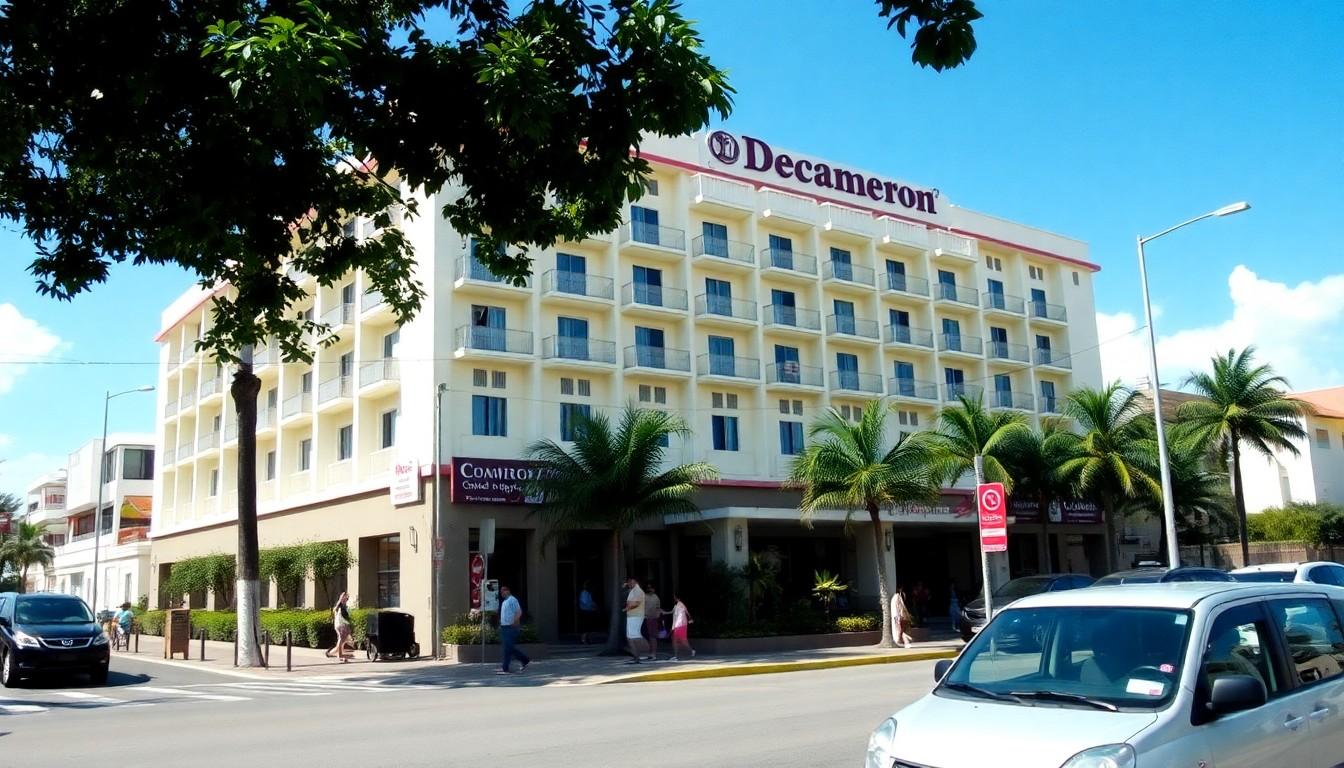
Shoppers and travellers are watching closely after a same-sex couple said a birthday celebration at a popular Decameron hotel in San Andrés turned into a public act of discrimination; the allegation raises fresh questions about how tourist venues train staff and protect LGBTQ+ guests.
Essential Takeaways
- Alleged incident: A same-sex couple say they were removed from a hotel stage during an entertainment contest because of their sexual orientation, reportedly in front of around 300 people.
- Evidence provided: The couple say they submitted audiovisual material and formal complaints to support their case.
- Safety fears: They reported feeling vulnerable at the time, surrounded by a crowd and people drinking, and have asked for a public apology.
- Legal context: The complainants cited Colombian anti-discrimination law and consumer-protection rulings as part of their demand for accountability.
- Broader pattern: The incident echoes other recent disputes in Colombia, including a high-profile episode at the Andino shopping centre in Bogotá.
What the couple say happened , and why it mattered
They were celebrating a birthday and joined a hotel game like any other guests, but according to their account the host told them they couldn’t stay on stage because they were a same-sex couple. The detail that the moment unfolded in front of a large crowd makes it feel public and shaming, not just a private spat. The couple say they filed formal complaints and handed over video evidence, which is why the case is being reported widely.
This kind of public humiliation is exactly what anti-discrimination rules try to prevent; people don’t just lose dignity, they can feel physically threatened in crowded situations. For travellers, the thought that a party could turn into an ordeal is chilling.
How hotels and resorts are being pulled into a national conversation
This isn’t an isolated media moment. Similar episodes , like the attention around a couple being admonished for kissing at Bogotá’s Andino shopping centre , have already pushed companies to respond and review staff training. Public pressure often forces a quicker company reply than slow legal channels, and consumers are noticing which brands handle these incidents transparently.
If you run or work at a tourist venue, the lesson is obvious: clear policies, staff training on diversity, and rapid public responses matter for reputation and guest safety.
Practical advice for LGBTQ+ guests travelling in Colombia
There are sensible steps to reduce risk without curtailing your holiday. Pick hotels with clear inclusion statements and read recent reviews for mentions of staff behaviour. Keep a charged phone and note where CCTV cameras are if a situation escalates; audiovisual evidence is already central in cases like this. Finally, if you feel unsafe, remove yourselves from the situation and lodge a complaint with hotel management and local authorities as soon as you can.
These measures won’t stop every incident, but they give you a way to document and escalate problems effectively.
What companies and authorities should do now
A prompt and sincere response is often the first step toward resolution , that’s what complainants expect. Hotels should investigate, publish findings, and outline new training or disciplinary steps if needed. According to Colombian legal protections cited by the couple, there’s a framework for claiming redress; companies that treat this as a reputational risk rather than a legal technicality will probably fare better with the public.
Regulators and consumer-protection bodies can also use these moments to remind businesses of their obligations and to push for better preventive policies across the tourism sector.
The bigger picture: culture, travel and accountability
Incidents like this feed into a wider debate about inclusion in public spaces. Tourism relies on making people feel welcome, and when that trust breaks it affects more than one couple’s holiday , it chips away at a destination’s reputation. But public scrutiny can also lead to better training, clearer rules, and safer experiences over time.
It’s a small thing for operators to get right, and a big relief for guests when they do.
It's a small change that can make every guest feel safer.
Source Reference Map
Story idea inspired by: [1]
Sources by paragraph: