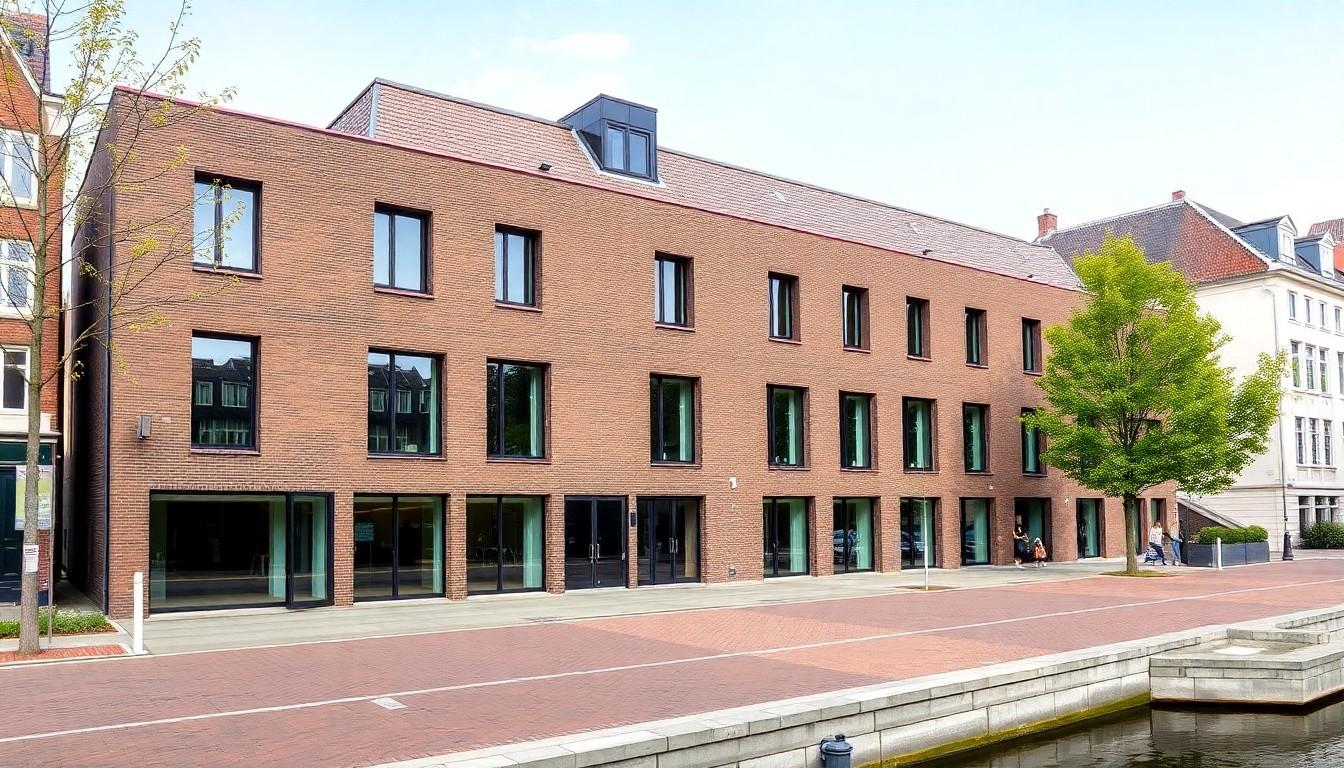
Shoppers, visitors and local LGBTQI+ people are seeing a visible safety push as Amsterdam gears up for WorldPride; the city's police chief opened a temporary community space at the H'ART Museum and pledged practical support, signalling why this matters for everyone attending the festival.
Essential Takeaways
- High-profile support: Amsterdam police chief publicly opened the COC’s Shakespeare Club and addressed performers, signalling visible backing ahead of WorldPride.
- Community-focused actions: Police are offering information sessions for refugees and have officers from Roze in Blauw participating in Pride events, showing targeted engagement.
- Accessible reporting encouraged: Authorities urged victims of intimidation or violence to report incidents, stressing that even reluctant complaints provide vital information.
- Safe, celebratory spaces: The Shakespeare Club provides a temporary, welcoming venue at the H’ART Museum, arriving by boat for a theatrical opening.
- Practical presence: Police will be visible at Canal Parade and other Pride events, blending celebration with protective duties.
A bold, visible pledge on the Amstel
The scene was theatrical: performers arriving by boat to the H’ART Museum’s jetty, high heels clacking on the quay, and a police chief applauding their courage. It’s the kind of image that sends a message, safety isn’t just a press release, it’s a public stance. According to local reporting, Amsterdam’s police chief used the opening of the COC’s Shakespeare Club to underline that bravery in performance “deserves safety”. That line felt like a handshake between glamour and protection.
This matters because WorldPride brings thousands of visitors and a heightened profile. The public ceremony at the museum offered a tangible preview of how the city plans to blend celebration with vigilance. For anyone worried about whether festivals can be both joyous and safe, the optics here are reassuring.
From rhetoric to targeted actions
Backing words with deeds is always the trick. The police chief didn’t stop at praise; he outlined specific efforts such as information sessions for refugees from places where uniformed officers inspire fear. That kind of outreach is practical and symbolic, it's saying the force wants to break down barriers for people who might otherwise avoid reporting crimes.
Groups like Roze in Blauw, the national police network for LGBTIQ+ officers, are taking part in Pride events. Their presence on the Canal Parade and at Trans-focused gatherings shows a shift from passive protection to active community engagement, which can make a real difference on the ground.
Why reporting still matters , even when it’s hard
One clear point made was the importance of reporting intimidation or violence. Police acknowledged reporting is difficult; victims often prefer to move on rather than relive trauma. But officers say those reports feed prevention, help spot patterns and ultimately protect others. That’s a practical ask: if you’re a victim or witness, consider filing a report or speaking to outreach officers at event hubs.
For visitors, that means noting where help points are, saving local emergency numbers, and finding the COC’s temporary spaces if you need a calm spot. Practical steps like these reduce anxiety and make it easier to enjoy the festival.
The cultural backdrop: tolerance as work, not a given
Amsterdam’s leadership framed tolerance as something you have to maintain, not take for granted. The H’ART Museum opening, led by drag figurehead Dolly Bellefleur, reminded people that public support like this isn’t universal. Local voices pointed out that such police backing is rare in other countries, so the gesture is both national pride and international signalling.
That perspective is useful for visitors who might assume every Pride is the same; cities vary in how they blend policing and celebration. Amsterdam is using events like the Shakespeare Club to create welcoming micro-environments within the larger festival.
What to keep in mind if you’re going to WorldPride
Plan ahead, and keep comfort simple: pick a meeting point with friends, note the location of outreach tables and police teams like Roze in Blauw, and use the museum spaces if you need a quieter moment. If you see anything troubling, report it, officers say even small complaints are valuable. Above all, expect a festival that’s loud, colourful and supported by an active, visible police presence aiming to let people be their flamboyant selves safely.
It's a small gesture of planning that can make every parade, party and performance feel that bit safer.
Source Reference Map
Story idea inspired by: [1]
Sources by paragraph: