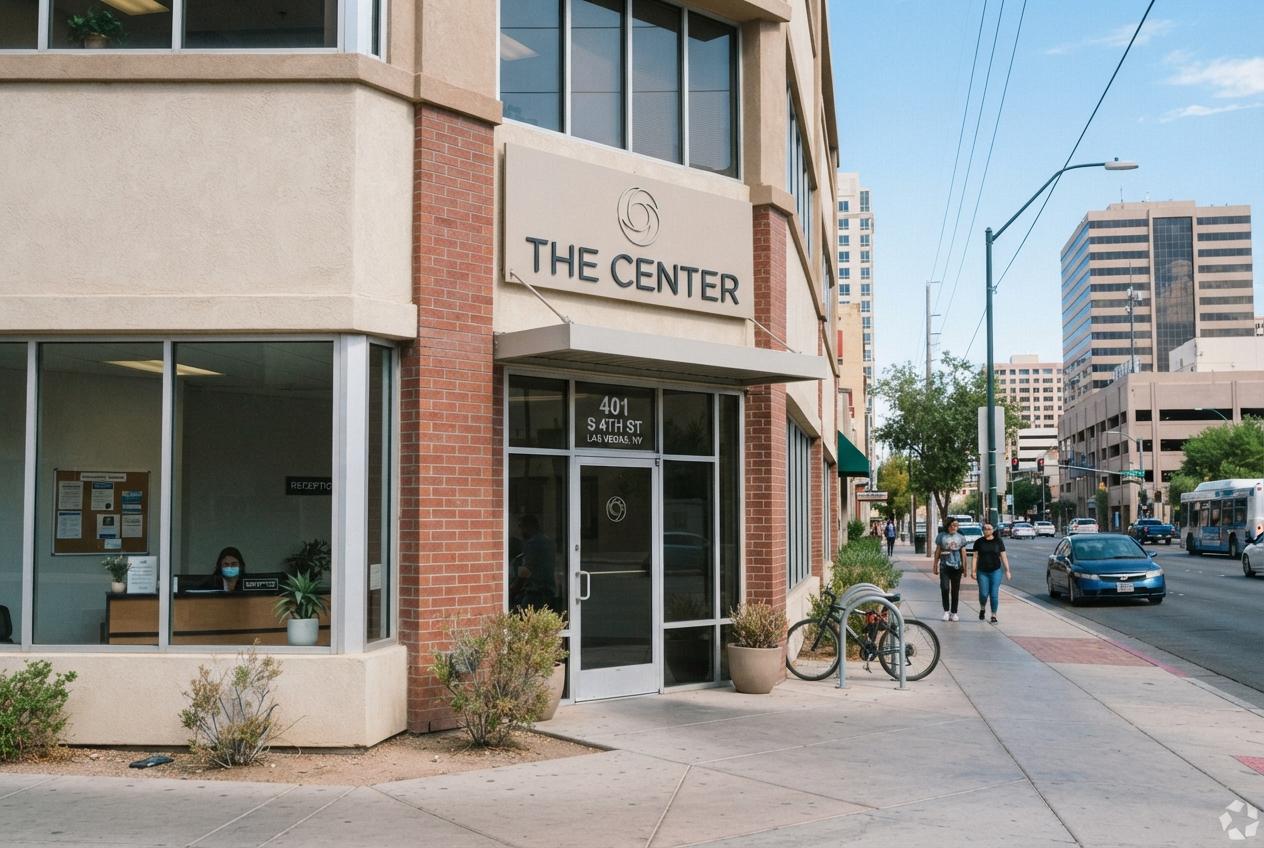
Shoppers, clients and community members are noticing The Center’s quiet expansion in downtown Las Vegas, where new acquisitions mean more housing help, health services and a bigger, more connected support network for people living with HIV or AIDS. Here’s what changed, why it matters and how it could affect local care.
Essential Takeaways
- Major merger: The Center acquired Aid for AIDS of Nevada (AFAN) and Golden Rainbow, bringing housing and HIV services under one roof.
- Staff retained: All current employees from the two groups will remain in place; AFAN’s director steps into a senior role.
- New real estate: The Center bought downtown office buildings to consolidate teams and services, signalling a longer‑term local commitment.
- Service boost: Combined programs include housing, emergency financial aid, transport support and clinical visits, with a health centre already seeing around 1,000 patient visits a month.
- Accessible feel: The expanded facilities offer telehealth rooms, wellness spaces and practical touches like Narcan access, creating a calmer, more complete care experience.
What just happened , and why it feels important
The Centre’s move to bring AFAN and Golden Rainbow into its fold is more than a name change, it’s consolidation of decades of local HIV response into one larger organisation. Both legacy groups were founded in the 1980s and have long provided housing, emergency funds and transport help for people living with HIV or AIDS. With those services now formally integrated, clients should see fewer handoffs and a steadier experience. It also creates a stronger frontline agency for advocacy and fundraising, which matters when budgets and grants are tight.
Who’s staying, who’s leading , continuity over disruption
Leadership changes are minimal and intentional. AFAN’s executive director will become The Center’s chief housing and integration officer, and existing staff from the two organisations keep their jobs. That matters because continuity reduces the risk of disrupted services for vulnerable clients. For community members, it means familiar faces will likely still be delivering support while benefiting from The Center’s broader administrative resources and clinical capacity.
Real estate and reach , why buying downtown matters
The Center recently purchased two office buildings on Fourth Street at Clark Avenue, consolidating staff into a central downtown footprint. Owning property can stabilise operations and lower long‑term costs compared with leasing, and it signals a serious local investment. The group already runs a healthcare centre seeing about 1,000 patient visits monthly, plus other locations for administration and services; centralising some teams should improve coordination and make it easier for people to access multiple services in one trip.
What this means for services on the ground
Clients can expect a more integrated service mix: housing programmes, emergency financial support, transport assistance, clinical care and telehealth options are now easier to link together. The Center already offers practical amenities , from wellness rooms to Narcan vending , and expanding housing capacity was a stated goal. If the group moves into developing housing directly, that could be a major step for local care, not just short‑term rental assistance but potentially supportive, longer‑term options for people leaving homelessness or unstable situations.
Funding, partnerships and the wider picture
The expansion comes with a sizeable organisational footprint: The Center reported nearly $21 million in revenue in 2024, with a mix of grants, contributions and program income. Partnerships have also mattered , for instance, donations from local businesses have supported office space and workforce programmes. Consolidation will likely make the organisation more attractive to larger grants, while also streamlining how smaller donors see their impact. The local media and community will be watching whether this translates into new housing projects or broader regional partnerships.
It's a small change that can make every client’s path to care a little smoother.
Source Reference Map
Story idea inspired by: [1]
Sources by paragraph: