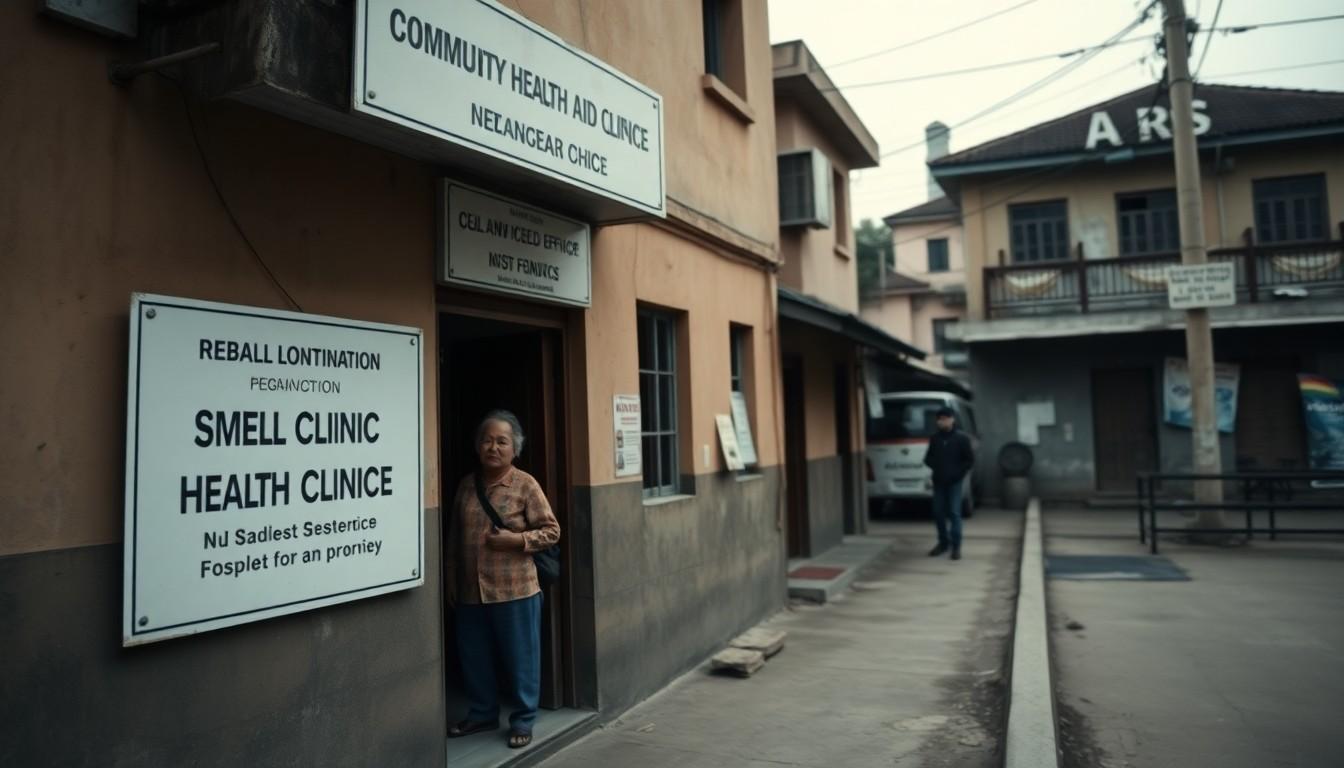
Shocking reporting reveals who lost work, where they landed and why it matters , former HIV outreach counsellors in central Nepal are now walking a dark highway as sex workers after steep U.S. aid cuts, with public-health and human-rights consequences that ripple beyond the roadside.
Essential Takeaways
- Job losses were vast: Hundreds of thousands of overseas aid workers lost roles after steep U.S. foreign-aid cuts, leaving many in fragile economies with few alternatives.
- Local impact in Nepal: Roughly 100 LGBTQ+ aid workers in central Nepal, once employed in HIV outreach and prevention, say they turned to sex work to survive.
- Health services vanished: Funding cuts also eliminated access to HIV prevention drugs and outreach programmes, raising fears of rising infections.
- Violence and vulnerability: Interviews show former counsellors faced harassment, police violence and sexual assault after losing stable employment.
- Certificates don’t protect: Many workers returned to streets despite training and qualifications, blocked from regular jobs by transphobia and conservative hiring practices.
A fragile safety net collapsed , and the highway filled up
The stark image of trained HIV counsellors standing in shadows by a dark road is hard to shake: it tells you something about how quickly stability can evaporate. According to reporting by the Associated Press and other outlets, mass layoffs after U.S. aid reductions left thousands of overseas staff jobless, with Nepal’s transgender outreach workers a striking example.
This didn’t happen in a vacuum. USAID-funded projects supported prevention, testing and medication access; when funding sharply dropped, so did those services. For people with few legal protections and limited employment options, the decision to begin sex work was a survival calculation rather than a career choice.
From outreach to the roadside , the personal fall
People who once provided free HIV testing and counselling now stand where their clients once worked. The Washington Post and AP feature interviews that make the shift painfully human: outreach certificates gathering dust, respect exchanged for harassment, and a daily grind that can mean violence and forced unprotected sex.
It’s worth pausing on the emotional detail here. Several formerly employed counsellors describe a real sense of loss , not just financial, but of dignity and identity. They miss being valued members of a public-health effort, which for many offered purpose and community.
Public-health alarm bells: fewer meds, higher risk
When prevention programmes and HIV medications are removed, epidemiologists warn of predictable outcomes. Without routine access to prophylaxis and regular testing, sex workers and their clients face a higher chance of transmission. AP reporting highlights that the elimination of prevention drugs in Nepal raises immediate public-health concerns for both LGBTQ+ communities and the wider population.
Simple harm-reduction advice is still useful: providers say access to condoms, regular testing, and community-based outreach are cost-effective measures. When national or international funding dries up, the risk is that these basics disappear first.
Policing, stigma and the economic catch-22
Police raids and public hostility crop up in every account. Former aid workers told reporters they face beatings, harassment and legal precarity; police action often intensifies rather than mitigates danger, pushing workers into hidden, riskier situations.
Employers in Nepal commonly reject applicants openly once they learn someone is transgender, which means even with qualifications people are barred from mainstream roles. That discrimination compounds the economic squeeze and funnels people into the informal, often-dangerous economy.
What could change , and what readers should watch
There are practical fixes that don’t require perfect politics. Restoring targeted funding for harm reduction, supporting local NGOs that keep outreach alive, and ensuring emergency cash assistance for laid-off staff would blunt the worst harms. Media coverage matters here: sustained attention nudges donors and governments to act.
If you’re following this story, watch for whether international funding is restored, whether local health services can refill the gaps, and whether policymakers acknowledge the intersection of austerity and marginalisation. Citizens and charities can also push for aid programmes to include contingency plans for staff protection.
It's a small change that can make every outreach worker safer.
Source Reference Map
Story idea inspired by: [1]
Sources by paragraph: