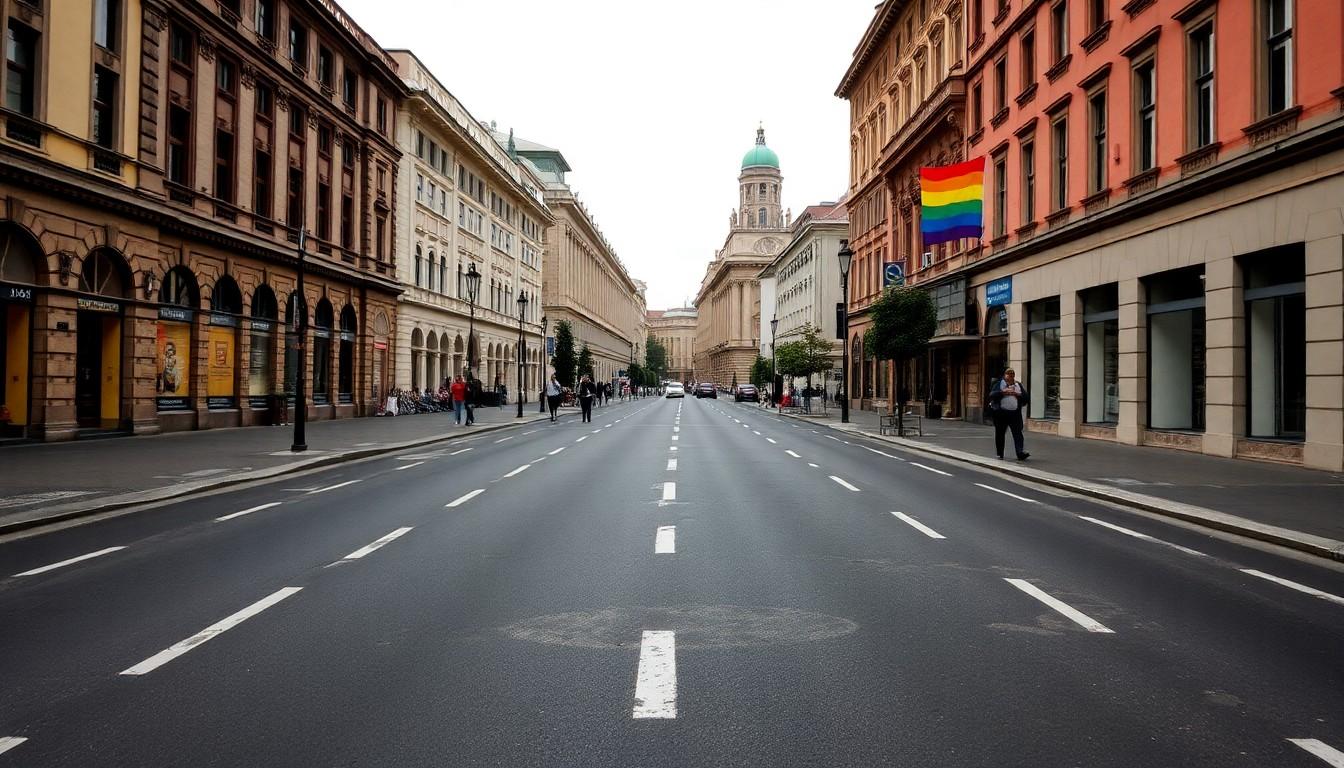
Shoppers of civic freedoms are watching: two European commissioners publicly backed Oradea Pride after the city refused to approve the LGBTQIA+ march scheduled for 25 July, underlining why local bans matter for basic rights across the EU and drawing diplomatic attention to Romania.
Essential Takeaways
- High-level support: Two European Commission commissioners voiced solidarity with Oradea Pride and the local LGBTQIA+ community.
- Municipal refusal: Oradea City Hall declined to approve the march, citing route conflicts and public works; organisers say they proposed 115 alternative routes.
- Organisers press on: ARK Oradea and ACCEPT confirm the march will go ahead with assembly in front of the Town Hall and diplomatic observers present.
- European concern: The Council of Europe and EU political groups have urged local authorities to allow a safe, supervised route.
- Emotional stake: Activists call the repeated refusals a pattern that undermines democratic rights and the safety of participants.
Two commissioners step into the debate , and it feels personal
The headline-grabbing moment came when the European Commissioner for Equality and the Commissioner for Justice issued public messages of support, noting people should be able to participate peacefully in marches. Their tone was direct and human , a reminder that these decisions aren’t just bureaucratic, they affect people’s sense of safety and belonging. According to the statements, the Union’s commitment to equality and the right to live without fear is at stake. That kind of intervention from Brussels sends a clear signal to local leaders: this isn’t merely a local squabble.
Why Oradea’s refusal looks familiar , and politically charged
City Hall said the proposed routes overlapped with other permitted events or were blocked by major works, and rejected the notification. Organisers countered that they filed early and suggested more than 100 routes specifically to avoid such objections. This is the fourth consecutive year the local authorities have refused to approve a Pride march, which makes the decision feel less like a one-off administrative clash and more like an entrenched pattern. Observers note the rhetoric used by the municipality echoes arguments once used to restrict LGBTQIA+ rights decades ago , which is precisely why activists are ringing alarm bells.
Diplomats and human-rights bodies weigh in , what that means on the ground
In response, several diplomatic missions and representatives from the Council of Europe said they were concerned and urged the city to cooperate with organisers to provide a safe route. The presence of diplomats and the Institution of the Ombudsman in Oradea during the planned event adds a layer of oversight and protection. According to human-rights groups, that kind of international attention can deter violence and improve safety, but it also highlights how domestic decisions can quickly become international issues. For participants, the upside is extra visibility and a potential shield; the downside is that tensions can feel amplified.
Organisers refuse to back down , practical plans and safety notes
ARK Oradea and ACCEPT have said the march will still take place on 25 July, forming in front of the Town Hall at 16:00. They emphasise that they lodged their notification at the earliest legal moment and deliberately proposed a wide range of routes to avoid legitimate logistical objections. Practically speaking, anyone planning to attend should check organisers’ channels for final route details and safety guidance, arrive early, and follow stewarding instructions. If you’re joining as an ally, bring water, wear comfortable shoes and expect increased media and diplomatic presence.
What this says about broader trends in Europe
The controversy in Oradea is part of a wider pattern: local bans on Pride events have prompted repeated interventions from European institutions and political groups. The Greens and other pro-rights actors have framed the ban as a symptom of democratic backsliding that clashes with the European Convention on Human Rights. At the same time, municipal officials argue they’re juggling public order and infrastructure. For citizens, the clash is a reminder that fundamental freedoms are maintained through persistent civic activism and, sometimes, external pressure. Looking ahead, these disputes are likely to remain flashpoints as European bodies stiffen language around equality.
It's a small change of course if local leaders step back , and it can make every march safer.
Source Reference Map
Story idea inspired by: [1]
Sources by paragraph: