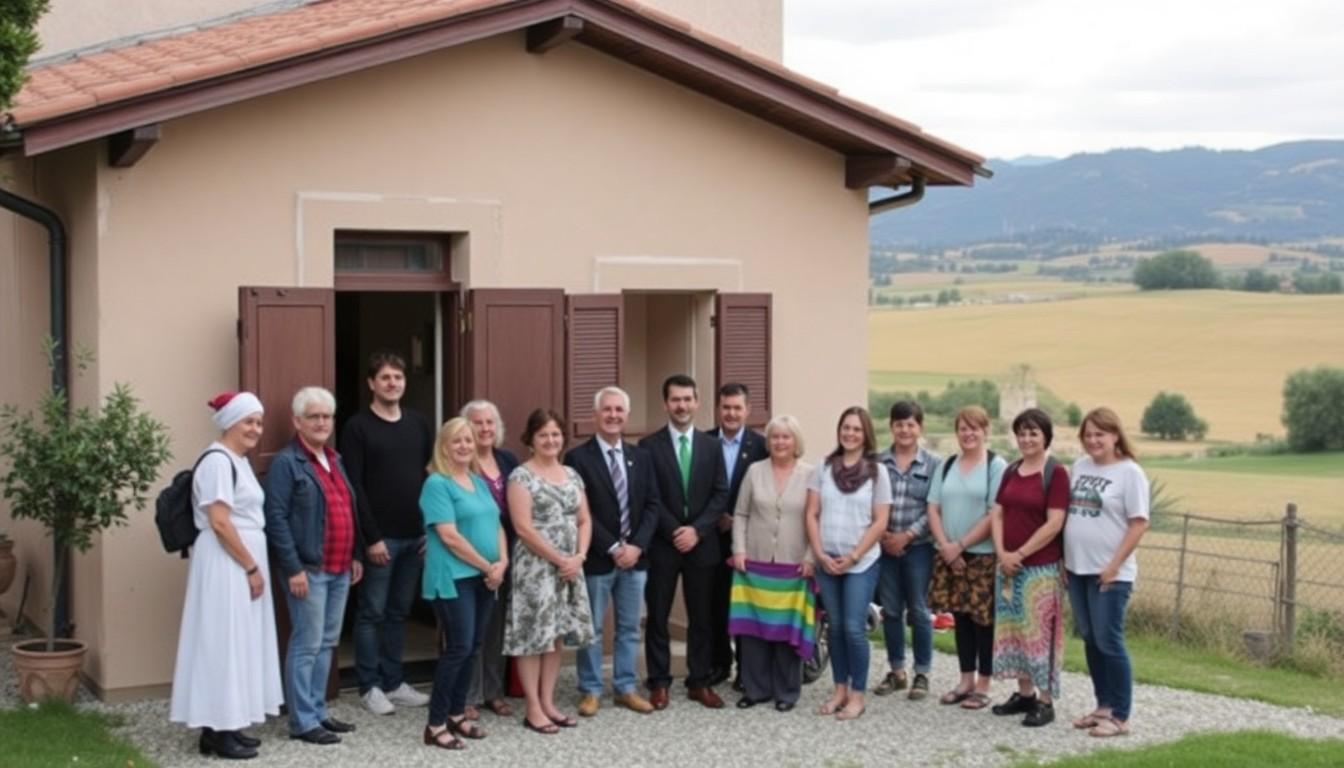
Shining a light on grassroots rescue: volunteers in Italy and Georgia helped two young gay refugees from Turkmenistan and Tajikistan secure safe relocation, showing how small donations, local networks and intercultural mediation can change lives. This matters for anyone who wants practical, hopeful models for protecting LGBT+ asylum seekers.
Essential Takeaways
- Two refugees helped: Azat and Mansur, young gay men stranded in Georgia, will relocate to safe countries thanks to fundraising and coordination.
- Grassroots funding worked: Vigils and small donations organised by Italian Catholic LGBTQ+ group La Tenda di Gionata raised nearly double the target, covering both men.
- Local solidarity made a difference: A poor Georgian community and an overseas Russian refugee provided personal and practical support.
- Model repeatable: The same association previously assisted another Turkmen refugee, showing a sustainable, people-driven approach.
- Human impact: The outcome turned months of fear into a chance to rebuild, emphasising how modest acts can be life-changing.
How tiny donations turned into lifesaving moves
It’s striking how modest generosity added up to secure real safety for two young men who’d been living under constant fear. According to New Ways Ministry, La Tenda di Gionata mounted a May fundraising drive timed around IDAHOBIT vigils, and the response nearly doubled the initial goal. Small amounts from many people paid for the logistics that made relocation possible.
This is the kind of story that underlines one simple truth: pooled micro-donations can clear bureaucratic and travel hurdles quickly. If you’re thinking of organising or donating, set a clear target, explain immediate needs, and show how funds will be used , transparency breeds trust and more giving.
Why local networks and intercultural mediators matter
Beyond money, people on the ground in Georgia and one Russian refugee provided practical support and mediation, bridging language and cultural gaps. That mix of empathy and practical know-how often proves decisive when asylum cases are urgent.
International agencies and NGOs can’t always respond swiftly to individual crises; local communities can. If you want to help in your area, consider training volunteers in intercultural mediation and legal navigation so they can act fast when a case emerges.
Faith communities doing unexpected solidarity work
La Tenda di Gionata is an Italian Catholic LGBTQ+ association, and their role challenges easy assumptions about faith groups. Their vigils , held for IDAHOBIT , became both prayerful and practical fundraisers. This blurs the lines between spiritual witness and direct aid.
That hybrid approach can mobilise different constituencies: people who’re drawn by faith commitments, those motivated by human rights, and neighbours who just want to help someone they know. If your faith group is thinking of doing similar work, start with small public events that combine education, ritual and clear calls to action.
What this means for asylum and resettlement efforts
New Ways Ministry’s coverage shows a repeatable pattern: a focused campaign, community buy-in, and a mediator to navigate red tape. The group had earlier helped another Turkmen refugee reach safety, which suggests these interventions scale if networks persist.
For policymakers and larger NGOs, these grassroots successes are a reminder that partnerships with local faith-based and LGBTQ+ groups can add agility to formal resettlement pathways. For donors, funding small groups that act quickly can produce outsized results.
Practical tips if you want to help refugees like Azat and Mansur
If you’re moved by this story and want to act, here are simple steps: verify local groups’ transparency, ask how donations will be used, offer practical volunteering (language help, ride-sharing, housing leads), and support intercultural mediators. Even modest recurring donations, or hosting a small awareness event tied to IDAHOBIT, can make a real difference.
Solidarity doesn’t have to be grand to be effective; often, it’s neighbour-sized actions that save lives.
It's a small change that can make every relocation safer.
Source Reference Map
Story idea inspired by: [1]
Sources by paragraph: