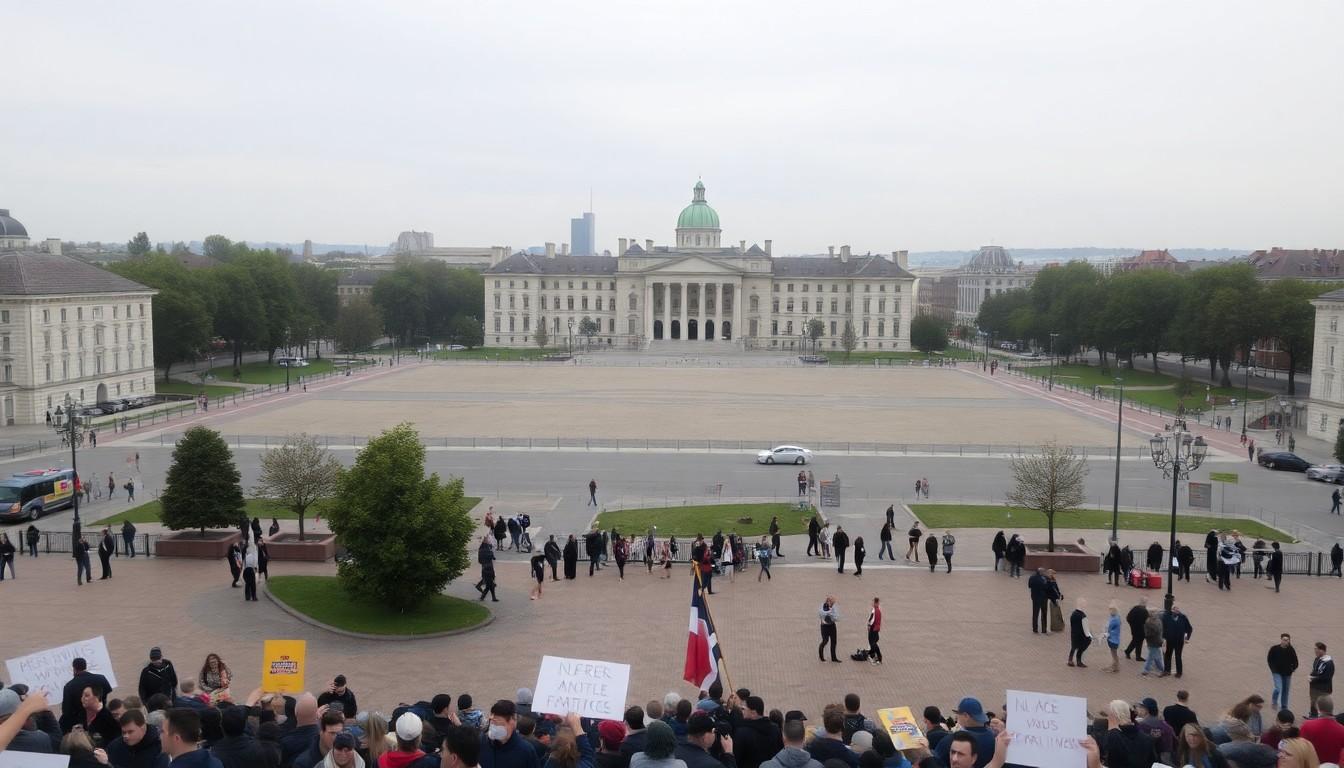
Shoppers and partygoers watched as queer groups turned a celebratory Pride Walk in Tilburg into a flashpoint, after organisers and activists clashed over space for protest. Who was meant to celebrate, who wanted to protest, and why this matters for future Roze Maandag planning.
Essential Takeaways
- Clash of aims: Local queer organisations wanted a protest block during the Pride Walk; the municipality emphasised a celebratory, non-demonstrative event.
- Logistical snag: Hundreds of protesters waited on the Stationsplein and said they were assigned a place at the very rear, where there was effectively no room.
- Symbolic items: Groups brought a more-than-10-metre flag and placards about trans care and queer refugees, which require space and visibility.
- Aftermath: Organisers and activists eventually marched together, but COC and partners demand apologies and political questions followed.
- Looking ahead: The municipality has invited talks for next year; a clearer sign-up and space-sharing plan is likely necessary.
Opening the march or boxing it in? How a joyful walk became uneasy
Tilburg’s Roze Maandag has been a bright, crowded fixture since 2010, but this year an argument over where a protest block could stand turned the Pride Walk into a fraught moment. The scene at Stationsplein felt tense; people held a long, billowing flag and placards with urgent messages about trans healthcare and queer refugees, and the air hummed with frustrated voices. According to local activists, they’d told the municipality months earlier they’d form a protest group.
Why organisers said “party”, and activists said “protest”
The city framed the Pride Walk as a non-demonstrative celebration: a moment for connection, positivity and visibility rather than a street protest. That’s partly practical, the route, the sound systems, and the carnival atmosphere are designed for a festival crowd. Activists, however, reminded people that Pride began as protest and that certain issues don’t feel festive. They told organisers they weren’t trying to disrupt the fun so much as insist their concerns be visible on the same stage.
Logistics turned political: space, flags and timing
The sticking point was plain practicalities that quickly became political. Activists said they were first told to stand at the end of the route, behind the DJ, where the square tapers off and a crowd of hundreds wouldn’t fit. They also brought a flag over ten metres long, an annual symbol that needs room to unfurl. When event staff and stewards suggested there was no place for a protest block, voices rose and the dispute escalated. In the end the group joined the march, but not before social media lit up and calls for apologies began.
Voices, outrage and the local political ripple
The COC and allied groups posted strong statements online, accusing a named events manager of excluding their protest block and using the phrase “institutional power abuse.” Local politicians from several parties have asked questions, which means this isn’t just a row between an events team and activists; it’s become a civic conversation about how public celebrations handle dissent. The municipality says it welcomes all voices but wants to allocate them in consultation with event organisers.
Practical lessons for future Pride events
There are simple fixes that would stop this repeating. If you’re organising or taking part next year: register or at least notify the event team if you plan a protest block, indicate how much space you need for flags and banners, and agree a meeting point beforehand. Event teams should publish a clear policy on demonstrations within festivities, with named contacts and a quick dispute-resolution step. That way, a festival stays festive but doesn’t silence the issues that gave it birth.
It's a small change in planning that could keep Roze Maandag both joyful and honest next year.
Source Reference Map
Story idea inspired by: [1]
Sources by paragraph: