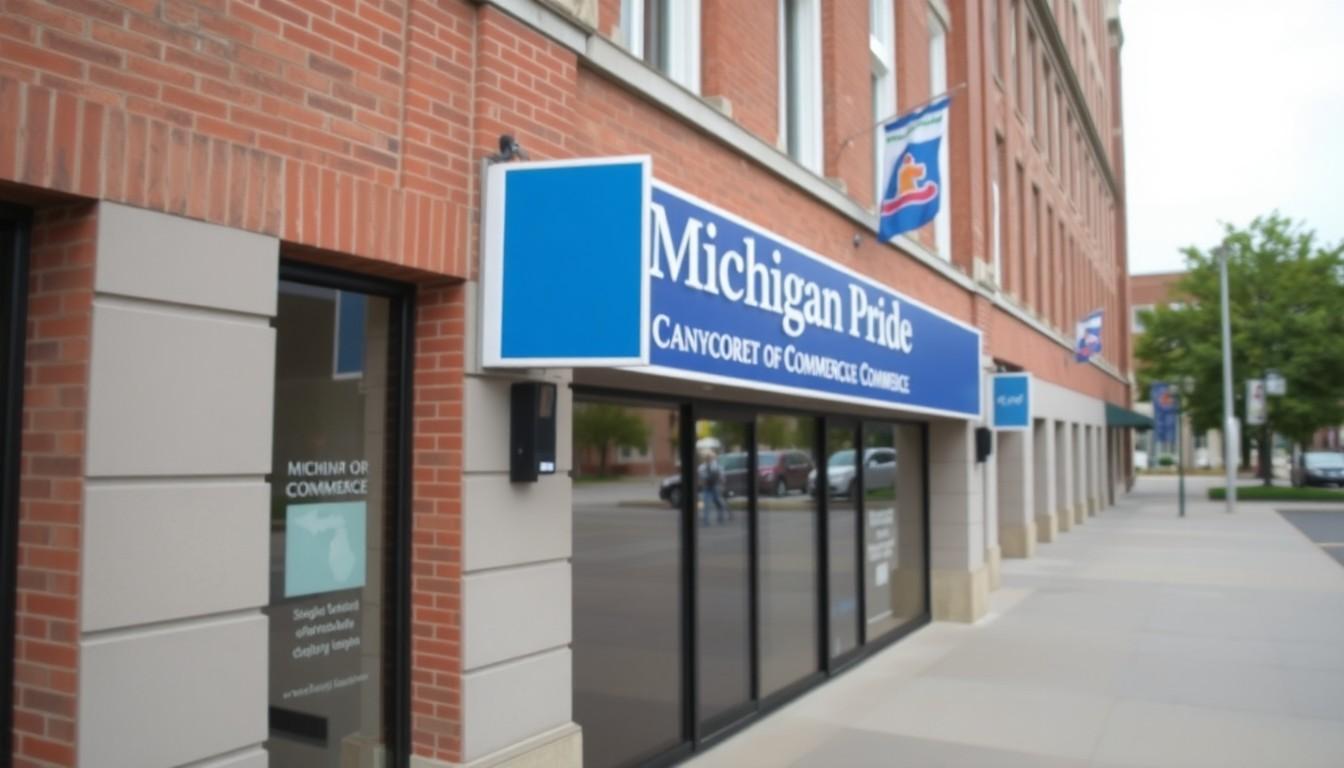
Shoppers, entrepreneurs and community leaders are watching as the Detroit Regional LGBT Chamber expands into the Michigan Pride Chamber of Commerce, rolling out statewide resources, advocacy and workforce development to help LGBTQ+ entrepreneurs and professionals thrive across Michigan.
Essential Takeaways
- New name, broader reach: The organisation has rebranded to serve LGBTQ+ businesses across all of Michigan, not just Detroit.
- Practical support: Plans include a statewide listening tour, webinars, mentorship and procurement pathways , useful for founders looking for real-world help.
- Focus on equity: Special programmes like the Queer Equity Impact Program target the compounded barriers faced by Black LGBTQ+ entrepreneurs.
- Economic impact: LGBTQ+-owned businesses contribute an estimated $1.7–$2.1 trillion nationally, underscoring the sector’s economic importance.
- Collaborative approach: The Chamber intends to partner with local chambers, colleges, municipalities and corporate partners to expand opportunities.
Why the rebrand matters , bigger stage, louder voice
The simple act of changing a name signals ambition. By becoming the Michigan Pride Chamber of Commerce, the group is telling businesses across the state they’re not alone , there’s an advocate ready to connect them to customers, contracts and capital. According to Axios, the expansion formalises a statewide push that aims to knit local ecosystems together. For a founder in Ann Arbor or Marquette, that can feel like a lifeline: more access, more events, more eyes on their business.
This matters because scale brings influence. A statewide chamber can lobby more effectively, broker procurement opportunities with big buyers and attract funders that might otherwise overlook small, regional organisations.
What entrepreneurs will actually get , programmes and practical help
Leaders say the Chamber will deliver tangible services: webinars, certification support, mentoring and help navigating corporate procurement. The Queer Equity Impact Program already goes beyond the basics by tackling the less-discussed social barriers that stall growth, from representation to networking gaps. The Chamber’s own site outlines QEIP as a hands-on curriculum that builds strategic relationships and visibility.
If you’re a small-business owner, think of it as a toolkit: learning sessions to sharpen the business plan, introductions to decision-makers, and guidance on pitching for contracts. Those are the kinds of interventions that convert idea into income.
A spotlight on Black LGBTQ+ entrepreneurs , addressing double barriers
Black LGBTQ+ founders face compounded obstacles that are well-documented across funding and access studies. The Chamber has highlighted this intersectional gap and positions QEIP as one response. Vice Chair and GapBridge Strategies founder emphasises honest conversations about marginalisation alongside practical business skills.
That blend of emotional and technical support is crucial. For a Black queer founder, gaining confidence to pitch to corporate procurement teams is as important as understanding cashflow. The Chamber’s emphasis on tailored programming recognises that one-size-fits-all help rarely works.
Building partnerships , not going it alone
The new strategy leans heavily on collaboration. Expect partnerships with local chambers, economic development agencies, universities and corporate allies to create a pipeline of mentorship, certification and capital. Anthony Williams of Corktown Health notes that when LGBTQ+ businesses grow, communities gain jobs and resilience.
This cooperative approach improves odds for scaling businesses: a college can provide training, a corporate partner can open procurement lanes, and a local chamber can vouch for a supplier. For founders, that network effect turns isolated efforts into shared momentum.
What to watch next , listening tour and how to get involved
The Chamber will launch a statewide listening tour to hear directly from entrepreneurs and Pride organisations, recruit regional board leaders and expand virtual resources. That listening phase will be telling , it’s where policy and programming get shaped by lived experience. According to their announcement, this is the start of a longer rollout that will map needs region by region.
If you run a business or want to support one, sign up for updates, attend a listening session, or suggest regional leaders. Small steps like showing up can influence what programmes arrive in your town.
It's a small change that can make every business stronger.
Source Reference Map
Story idea inspired by: [1]
Sources by paragraph: