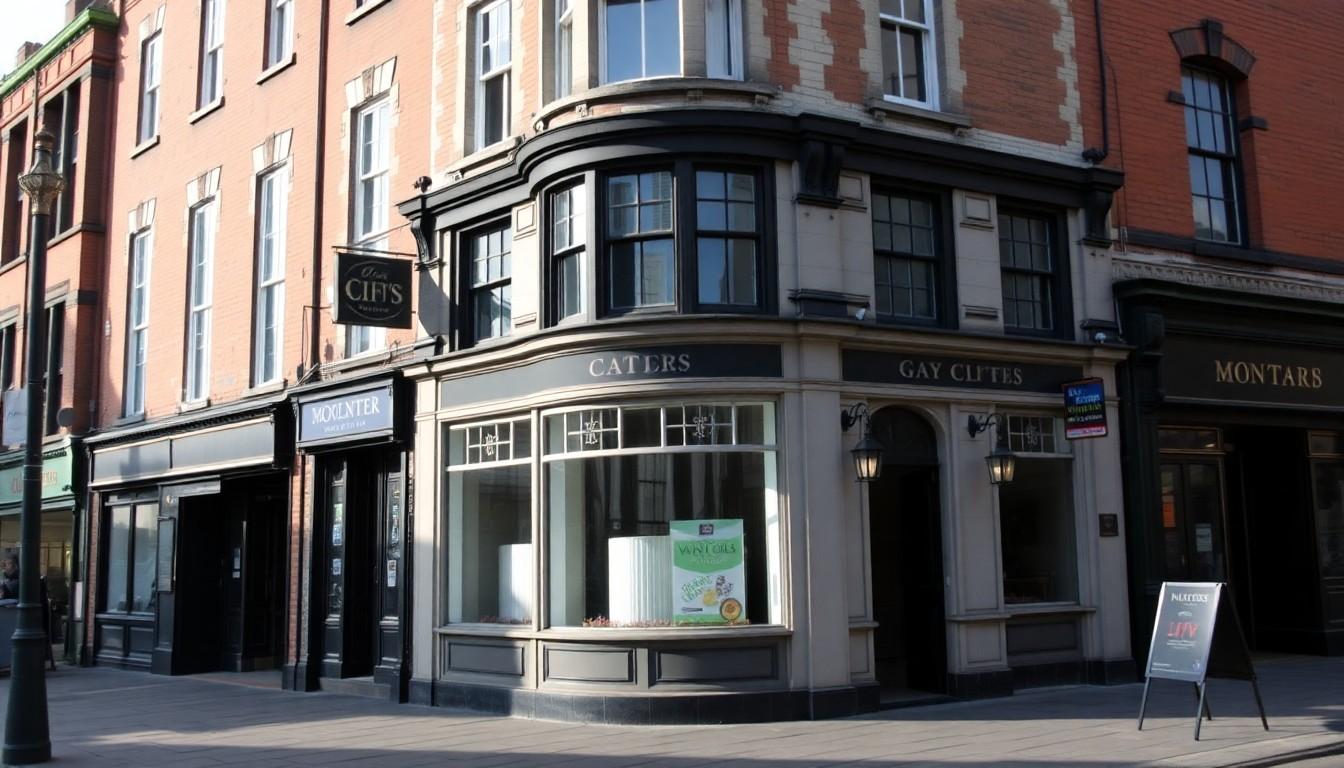
Shoppers are turning out for hustings that put LGBTQ+ issues centre stage , three candidates faced questions in Manchester’s Gay Village about pride funding, trans rights and community safety, and the event underlined why visibility still matters in local politics.
Essential Takeaways
- ** Who attended:** Labour’s Bev Craig, Green candidate Geraldine Coggins and Lib Dem Richard Kilpatrick turned up for the LGBT Foundation’s hustings held in the Gay Village; several other candidates did not.
- ** Shared pledges:** All three supported banning conversion therapy, boosting affordable housing, funding pride events and backing trans rights.
- ** Personal note:** Bev Craig described enduring homophobic micro‑aggressions in politics , being told to “grow her hair” or “be less gay” , and framed pride as both personal and political.
- ** Community funding:** Candidates argued for equal, ring‑fenced funding for local pride and community groups so smaller events can thrive alongside big city parades.
- ** Safety and enforcement:** Calls were made for better policing of hate crime and tougher online regulation to curb far‑right abuse.
Hustings in the Gay Village , a symbolic stage with real stakes
The hustings at The Church in Manchester’s Gay Village felt deliberately of the place: lively, loud in parts, and plainly meaningful to those in the room. Bev Craig opened by recalling how Manchester helped her find herself, a sensory reminder that politics often starts with where you feel at home. Organised by the LGBT Foundation, the event attracted three candidates while others apologised or didn’t reply, which organisers noted quietly but without derailing the conversation. For voters, the absence of some hopefuls will matter; presence here signalled a willingness to be visible and publicly answer for LGBTQ+ policy. If you’re choosing who to back, appearances at community hustings are a quick litmus test for how seriously a campaign treats local groups. Turnout from candidates , and the detail of their answers , often tells you more than a glossy leaflet.
Pride is personal and political , funding matters for local groups
All three speakers agreed that pride is both a joyful celebration and a protest that still matters. Craig’s memory of being pelted with objects at overseas prides in the 2000s drives home the stakes: pride helps people know they’re not alone. Geraldine Coggins pitched a community development fund idea to rebuild grassroots activity after years of austerity, while Richard Kilpatrick flagged problems he sees when organisers and artists aren’t treated fairly. That debate maps straight onto a wider trend: festivals and community events need predictable funding, not one‑off grants. Practical tip: if your local pride relies on council largesse, ask candidates during canvassing how they’d secure long‑term community pots or a social value commitment to keep events running.
Trans rights and the false framing of communities against each other
A clear, repeated theme was rejecting the idea that LGBTQ+ groups are in conflict. Craig spoke about being pigeonholed as a lesbian who might oppose trans rights, and she pushed back hard , a reminder that public figures still face reductive stereotypes. Both Coggins and Kilpatrick voiced strong support for trans people and called for steps to reduce hate crime, from better police scrutiny to online regulation. This reflects a national conversation about safeguarding marginalised groups while defending free expression , but candidates here were unanimous about the principle: no community should be set against another. For voters, that makes clear where each candidate stands on inclusion; it’s worth probing what practical steps they’d take on services, training and reporting in your borough.
Safety, policing and online harm , where promises meet practice
Hate crime enforcement and online abuse cropped up repeatedly, with Kilpatrick urging greater oversight of Greater Manchester Police and Coggins pushing for tougher online regulation to limit far‑right rhetoric. Those are operational asks rather than campaign slogans, and they’ll require coordination across councils and with national bodies. Experts and campaigners often stress that policy needs teeth , clear reporting routes, funded victim support and accountability mechanisms. Voters who’ve experienced hate crimes should press candidates for timelines and measurable commitments rather than warm statements alone. A good probing question at a doorstop: how will the mayor use the office’s convening power to force consistent reporting and action across all ten boroughs?
Visibility, authenticity and what it signals to voters
Craig’s anecdote about being told to change her appearance to be more acceptable is small in words but huge in what it signals: representation still carries cultural weight. Candidates who show up, speak plainly and share lived experience make the stakes of local office feel real. This hustings was less about fireworks and more about tone: candidates agreed on core principles, and the contest may therefore come down to delivery credibility, community ties and the ability to convert pledges into budgets. For undecided voters, look for detailed plans, not just solidarity lines. And remember: showing up to local events matters. Your attendance , even if you only listen , shapes how seriously campaigns treat LGBTQ+ issues.
It's a small change that can make every promise count at street level.
Source Reference Map
Story idea inspired by: [1]
Sources by paragraph: