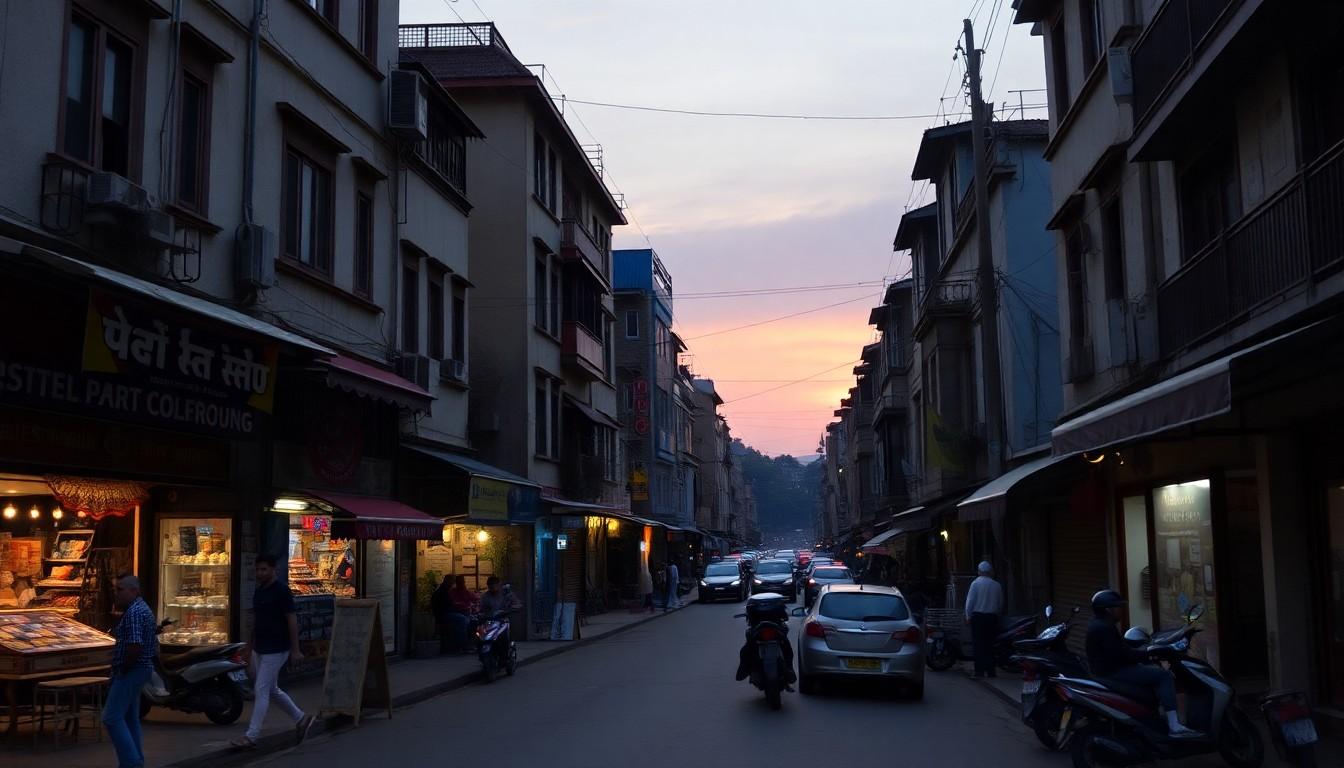
Shocking reporting reveals how USAID’s dissolution pushed former HIV outreach workers in Nepal into sex work, exposing violence, health risks and a system that leaves helpers with nowhere to turn; the story matters because it shows who pays when aid disappears.
Essential Takeaways
- Widespread job loss: Around 280,000 people lost work after USAID was dissolved, many living overseas with few job options.
- High risk, low pay: Former aid workers report working in dangerous locations for about $2–$3 per client, with frequent assault and coerced unprotected sex.
- Health consequences: Public-health officials fear rising HIV risk as trained outreach staff enter sex work and lose prevention services.
- Reporting method: Journalists spent months building trust, used local translators and visual reporting, and secured informed consent for traumatised interviewees.
- Systemic gap: Legal jobs for transgender and LGBTQ+ people in Nepal are scarce, leaving sex work as one of few survival options.
Why this reporting matters , it’s the human cost of policy
The strongest fact here is simple and unsettling: tens of thousands of frontline aid workers were left jobless when USAID was dissolved. Reporters found former HIV outreach staff now working the highway at night, a scene that’s stark, quiet and hazardous. According to AP reporting, those affected aren’t just American employees but local staff in impoverished regions who had few alternatives. This shift reframes austerity as a public‑health and human‑rights crisis, not just a budget story.
Context matters: the U.S. State Department told the AP the administration aimed to focus aid on “efficiency, effectiveness and partnership,” while critics point to real-world fallout for workers and communities. For readers, the takeaway is practical , policy choices ripple down to people who were once the helpers, and those consequences can be immediate and brutal.
How journalists found sources , trust, time and local networks
Finding these stories took patience and care. The AP team worked through Nepal’s LGBTQ+ community, used local translators and spent nights shadowing workers to understand their routines and risks. That approach, as described in interviews, highlights good reporting practice: show your work history, let people set boundaries, and get informed consent. It’s also a reminder that compassionate reporting can surface issues official figures miss.
For anyone trying to understand the issue, note this: local NGOs and health officials were often the first to notice the trend, and reaching them can provide leads that don’t show up in policy briefings.
The work itself , danger, coercion and tiny pay packets
The reporting paints a vivid picture of where and how these women and transgender workers operate: dark highways, isolated buildings, sometimes jungle clearings , places that offer zero protection. Clients often bargain aggressively, and many workers report sexual violence and sometimes police abuse. For about $2–$3 a client, there’s an overwhelming mismatch between risk and reward.
Comparatively, the loss of outreach roles also means a loss of prevention outreach , those same workers used to help marginalised communities get condoms and testing. Losing them creates a double-hit: workers enter risky work and community services shrink.
Public health angle , why officials are worried about HIV spikes
Health experts interviewed for the pieces warned that the shift could increase HIV prevalence because trained outreach workers are leaving prevention roles and because many sex workers are being coerced into unprotected sex. The AP’s inquiries connected local observations with broader epidemiological concerns, and public-health sources flagged the gap left by funding cuts.
If you’re tracking this from afar, the practical implication is clear: cutting preventative programmes can have delayed but measurable effects on disease control, and the people who kept those programmes running may be the ones most immediately harmed.
What this reveals about legal and social protections
One striking social detail is how few legal employment options exist for openly transgender people in Nepal, pushing many towards sex work simply to survive. That structural exclusion , combined with sudden job loss due to foreign policy , shows how layered vulnerabilities are. Advocacy groups and local leaders told reporters they’d seen this coming, yet policy decisions happened without safety nets for workers.
Looking forward, advocates say change will need both policy reversals on funding and stronger legal protections at home to offer real alternatives.
It's a small change in policy that produced large, painful consequences for people on the ground.
Source Reference Map
Story idea inspired by: [1]
Sources by paragraph: