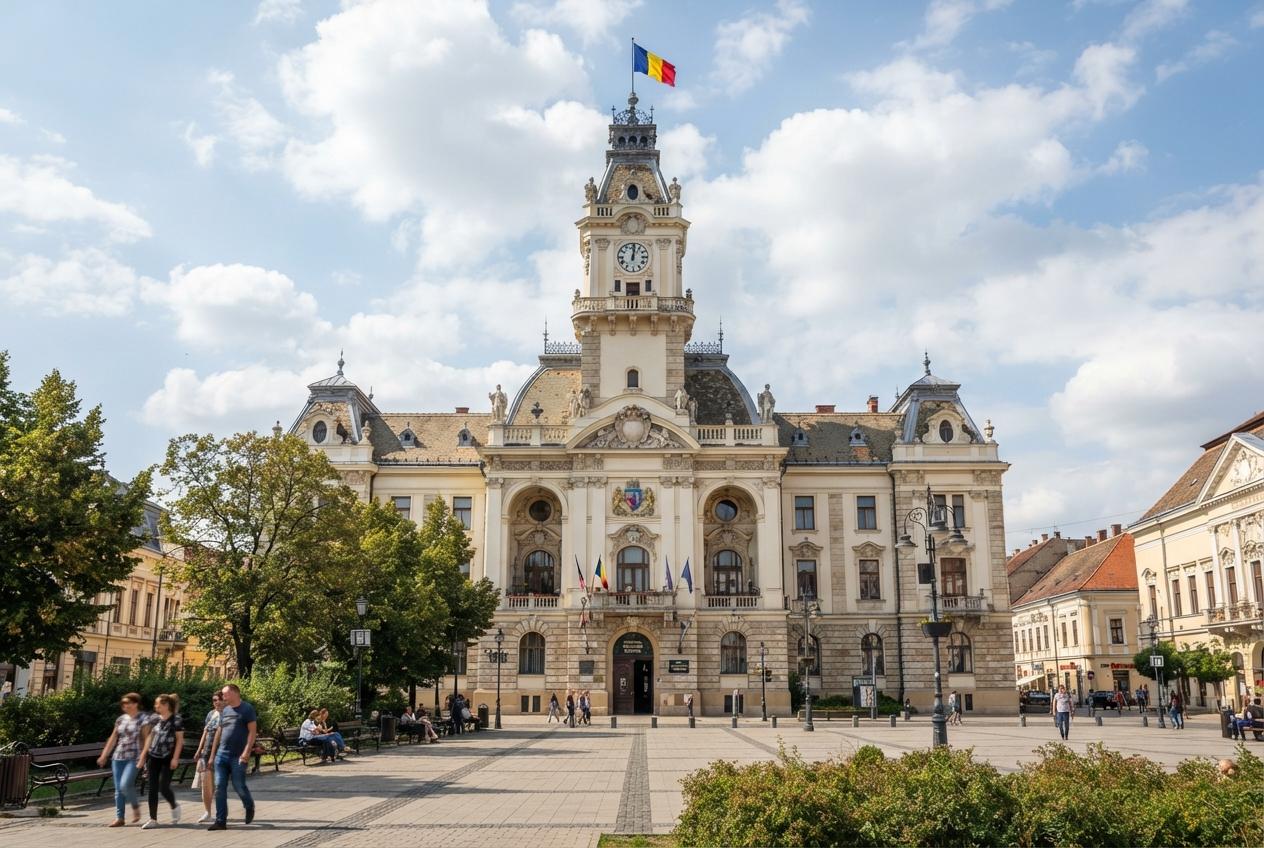
Shocked observers and seven civil society groups have asked the European Commission to step in after Oradea City Hall refused to approve a legally filed Pride march route, a move campaigners say is part of a wider pattern that squeezes LGBTQIA+ visibility and civic freedoms in Romania.
Essential Takeaways
- Who acted: Seven NGOs, including ILGA-Europe and ACCEPT, sent a joint letter to European Commission leaders asking for intervention.
- What happened: Oradea municipal authorities rejected over 100 proposed parade routes, despite a timely notification from organisers.
- How it felt: Campaigners describe the ban as “systematic” obstruction that discourages public participation and erases community visibility.
- Why it’s broader: Groups link the decision to a national trend of shrinking civic space noted in EU rule-of-law reporting.
- Practical angle: Organisers staged a form of civil disobedience in 2025 but faced fines and sanctions afterwards.
What the NGOs are asking , and who they wrote to
The letter was addressed to the president of the European Commission and several executive vice-presidents and commissioners, signalling the matter’s political weight in Brussels. According to reports, the signatories include ARK Oradea, Forbidden Colours, ACCEPT, ACT – Against Conversion Therapy, ECPI, ILGA-Europe and IGLYO. This isn’t a quiet local complaint; it’s a formal appeal to EU institutions to uphold fundamental freedoms.
Backstory: organisers say they filed their notification within legal deadlines and offered more than 100 alternative routes. Local officials, however, rejected them all, citing a range of reasons that this year included alleged breaches of “social and moral conduct” , language campaigners find chilling and discriminatory.
How authorities justified the ban , and why activists worry
City Hall has used administrative reasons in the past, like roadworks or calendar clashes, but activists point to a recent shift: moralising language and repeated refusals. That pattern, they say, effectively shuts down Pride by making public visibility impossible.
Context: campaigners argue the tactic isn’t new in Romania but fits into a worrying national trend. The NGO letter frames the Oradea decision as part of a sustained effort since 2023 to narrow civic space and curtail minority rights. For participants, the result is a sense of exclusion and fear , and for organisers, mounting legal and financial pressure.
The legal and civic fallout , fines, disobedience and next steps
When the march could not go ahead as a permitted event in 2025, organisers staged civil disobedience instead; several participants and organisers were ticketed. Now, NGOs want the European Commission to treat the case as more than a local spat and to consider remedies or oversight given the city receives substantial EU funds.
Practical insight: if you’re part of a community group planning a public event, document every interaction, keep copies of filings and alternatives offered, and if refused, seek legal aid quickly , evidence matters when you’re appealing to national courts or European bodies.
Why this matters for EU values and funding
The letter reminds readers that Oradea benefits from significant EU financing, and the signatories argue the city should match that money with a commitment to equality, inclusion and human dignity. In the run-up to the European Commission’s 2026 rule-of-law report, campaigners warn this is a test case: local decisions that curtail space for minorities could feed into broader assessments of democratic backsliding.
Reaction: observers in Brussels and civil society networks have already taken notice. Calls for the Commission to investigate aren’t just symbolic , they could influence future funding conditions or trigger formal inquiries if the pattern persists.
What to watch next , CEDO, Commission response and public pressure
The case may head to the European Court of Human Rights if domestic remedies are exhausted, and NGOs are pushing for quicker EU intervention. Meanwhile, dozens of organisations across Europe have chimed in, urging Oradea to permit the march on the organisers’ proposed route.
Outlook: expect sustained advocacy, legal appeals and louder public debate. For local residents and visitors, the dispute is a reminder that civic rights often need active defence , and that visibility in public space is both symbol and safeguard.
It's a small decision in one city with big implications for how rights and visibility are protected across the EU.
Source Reference Map
Story idea inspired by: [1]
Sources by paragraph: