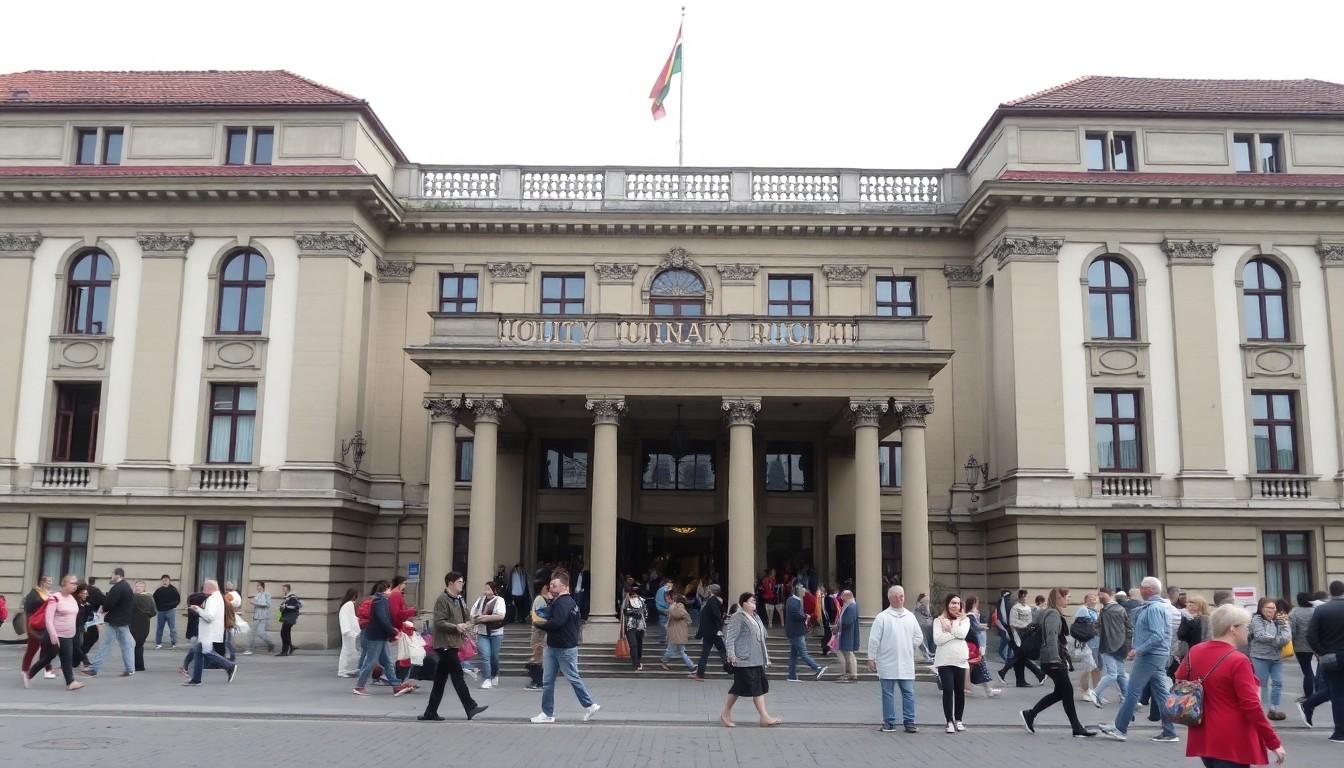
Shocked observers and international groups have pushed back after Oradea’s city hall refused to permit the LGBT+ Pride march again, citing overlapping events and major public works; the decision renews debate over whether authorities are using procedural grounds to block visible Pride routes and what that means for safety and rights.
Essential Takeaways
- Decision: Oradea City Hall declined to approve the Pride march, saying proposed routes intersect with other authorised events or large-scale municipal works, and organisers’ 115 suggested itineraries were all rejected.
- Timing issue: The organisers say the written refusal missed the 48-hour legal deadline after their June application, raising questions about procedural fairness.
- International concern: European human-rights officials and over 120 civil society groups from many countries urged the municipality to allow a safe, central route.
- Organisers’ constraint: Local authorities reportedly asked organisers to submit a single route choice , a step that could make refusal easier.
- Practical stakes: Supporters argue central routes are safer and more visible; critics of the ban warn the precedent may chill public assembly rights.
What the council said , and what organisers claim
Oradea’s spokesperson told local media the refusal rested on perfectly ordinary grounds: the routes suggested by the organisers overlapped with approved events or fell into areas affected by major municipal works. That explanation sounds practical, and on the face of it civic planners must balance multiple uses of public space.
Organisers, however, say they submitted 115 fallback routes precisely to avoid those clashes, and that the city failed to respond within the 48-hour window mandated by law. According to reports, the commission also allegedly requested a single, final route from the organisers , a move that could leave them vulnerable to a simple yes-or-no rejection.
Why international actors are getting involved
The decision drew swift attention beyond Romania: human-rights monitors in Europe and a raft of NGOs urged Oradea to allow a march that can proceed safely and visibly through central streets. Congress-level rapporteurs and advocacy networks framed the dispute as not only about logistics but about a civic right to assembly and the symbolic importance of being seen in the city centre.
When bodies such as the Council of Europe raise concerns, it puts extra pressure on municipal authorities. It also signals to local residents and businesses that the issue has broader democratic and reputational stakes. For organisers, that international backing is useful currency in public debate and potential legal challenges.
The pattern: repeated refusals and the risk of a precedent
This isn’t the first time Oradea has refused central Pride routes; the same reasons have been used in prior years. Repeated refusals build what civil-society groups call a de facto policy: if every central route is said to be occupied or under construction, visibility is effectively curtailed without an explicit ban.
Critics warn that such a pattern risks normalising restrictions on assemblies that are unpopular with some local constituencies. Supporters of the city’s approach argue municipal authorities must follow public-order rules and co-ordinate overlapping events, but the persistence of denials suggests there’s a deeper standoff between organisers’ desire for central, safe visibility and officials’ insistence on alternative locations.
Practical tips for organisers and local advocates
If you’re planning a public march in a city with a history of refusals, document everything: submit multiple routes, keep written records of communications, and note timing of replies against legal deadlines. Request clear, written reasons for any denial and consider early engagement with neutral mediators or international bodies to highlight safety needs.
Organisers should also map risk and visibility: central routes are often safer because of surveillance, lighting and crowds; peripheral routes may increase isolation and risk. Meanwhile, local advocates can push for transparent scheduling systems so that municipal works and permitted events aren’t used repeatedly to block the same applicant.
What comes next , legal and civic options
Organisers may pursue legal remedies, public campaigns or appeals to regional human-rights bodies to challenge the refusal. Municipalities, for their part, can avoid reputational damage by publishing clear calendars of works and authorised events well in advance and by demonstrating good-faith co‑operation on safety planning.
Whatever unfolds, the dispute in Oradea raises an immediate question for other towns and cities: how do you balance crowd safety, municipal logistics and the civic right to be visible? The answer will matter not just to Pride organisers but to any group seeking to make itself seen in public.
It's a small change in process that could make every march safer , if authorities and organisers aim for clarity and compromise.
Source Reference Map
Story idea inspired by: [1]
Sources by paragraph: