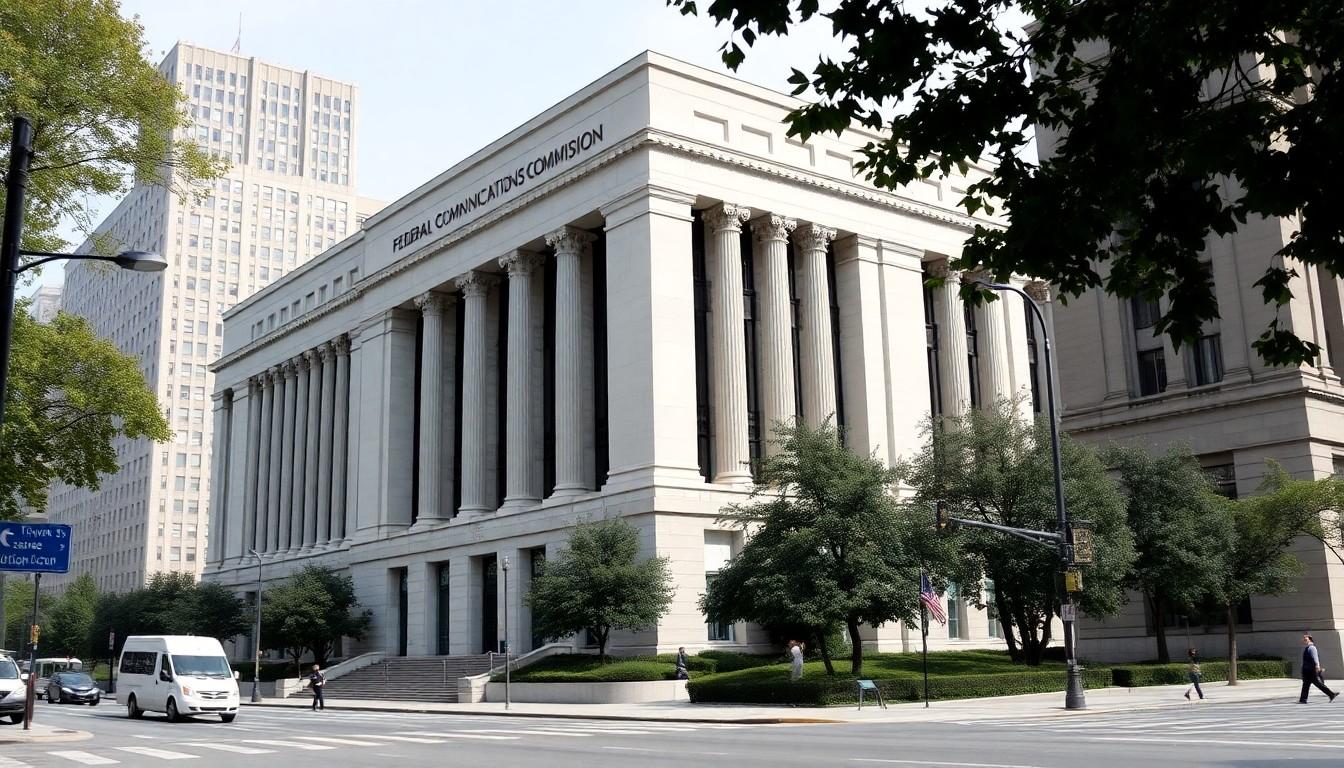
Shoppers of streaming and linear TV are pushing back: a proposed FCC scheme to slap warning labels on shows that feature transgender and non-binary people has provoked a major cultural and legal backlash, and viewers, advocates and lawmakers say it’s both unnecessary and dangerous.
Essential Takeaways
- Widespread opposition: Roughly 80% of more than 33,000 public comments rejected the proposed warning labels, signalling broad public defence of LGBTQ+ visibility.
- Legal red flags: Civil-rights groups warn the plan risks unconstitutional viewpoint discrimination and faces court challenges.
- Ratings misuse: Experts note TV ratings exist to flag age-sensitive behaviour, not identities; labels would repurpose the system in a stigmatising way.
- Political split: The move is championed by FCC leadership and backed by conservative lawmakers, while dozens of Democrats and free-speech groups oppose it.
- Practical concern: Parents and viewers worry labels would chill storytelling, making inclusive characters feel like warnings rather than people.
What’s being proposed, and why it feels so wrong
The FCC chairman has launched an inquiry that would explore adding cautions to programmes that include transgender and non-binary characters or themes. The idea landed with an audible thud in many quarters because viewers associate ratings with safety: is this material suitable for children? Yet treating identity as a content risk is a fresh, and troubling, twist. The proposal reads like a repurposing of a system designed to flag explicit sex or violence, and for many that repurposing feels like a political sledgehammer aimed at LGBTQ+ visibility.
How people and organisations have reacted
Supporters of inclusive media mobilised fast. Tens of thousands of public comments flooded the record, with advocates such as GLAAD, PEN America and the Human Rights Campaign calling the move discriminatory. Dozens of Democratic members of Congress and civil-rights groups warned that the labels would amount to viewpoint discrimination and invited legal pushback. Meanwhile, conservative lawmakers urged the proposal on, turning the issue into a stark partisan fight over representation on screens children watch.
Why ratings systems aren’t the right tool
TV ratings were built to communicate age-appropriate content by tracking things like explicit language, sexual behaviour and violence. They’re not neutral stickers for ideas or identities. Industry observers point out a ratings board is meant to help parents decide what’s suitable, not to signal that loving families or trans teens are hazardous. Repurposing the ratings system this way risks normalising stigma and could lead platforms to self-censor diverse storytelling to avoid administrative scrutiny.
What this could mean for creators and viewers
If labels were adopted, creators worry about a chilling effect: writers might downplay queer characters, networks could steer away from authentic stories, and emerging talent from LGBTQ+ backgrounds could find fewer visible opportunities. Parents and educators argue the opposite outcome is likelier, parents want better tools and context, not blunt warnings that treat people like hazards. Expect legal challenges to centre on First Amendment and equal-protection principles, and for studios and publishers to watch closely for any regulatory creep.
Practical tips if you’re worried about what your children watch
If you want to manage viewing without blunt, stigmatic labels, rely on parental controls and curated lists from trusted organisations. Look for content descriptors that indicate themes and tone rather than identities, read reviews that discuss emotional complexity, and co-watch when possible to make space for questions. Apps and built-in parental settings give far more nuanced control than a government-led caution that could mislead as much as it informs.
It's a small change that could make every media choice about inclusion or exclusion; the louder reaction so far suggests most Americans prefer stories that reflect real lives.
Source Reference Map
Story idea inspired by: [1]
Sources by paragraph: