Shoppers of stories and lovers of cinema are flocking to BlackStar this August , the 15th Annual BlackStar Film Festival runs August 6–9 with in-person screenings and many films available virtually, showcasing nearly a dozen queer-focused features and shorts that matter for identity, community, and conversation.
Essential Takeaways
- Dates and format: BlackStar runs August 6–9 with both theatre and virtual screenings, so you can watch from home or in Philly.
- Diverse storytelling: The programme mixes features, documentaries and shorts by LGBTQ+ filmmakers and about queer lives , styles range from animation to observational docs.
- Standouts to mark: Animated 3-D romance Bouchra, trans-centred documentaries Mickey and What Will I Become?, and the immersive Powwow People.
- Emotional textures: Films move between joyous community scenes and hard-hitting topics like mental health, suicide risk, and family conflict , expect both comfort and challenge.
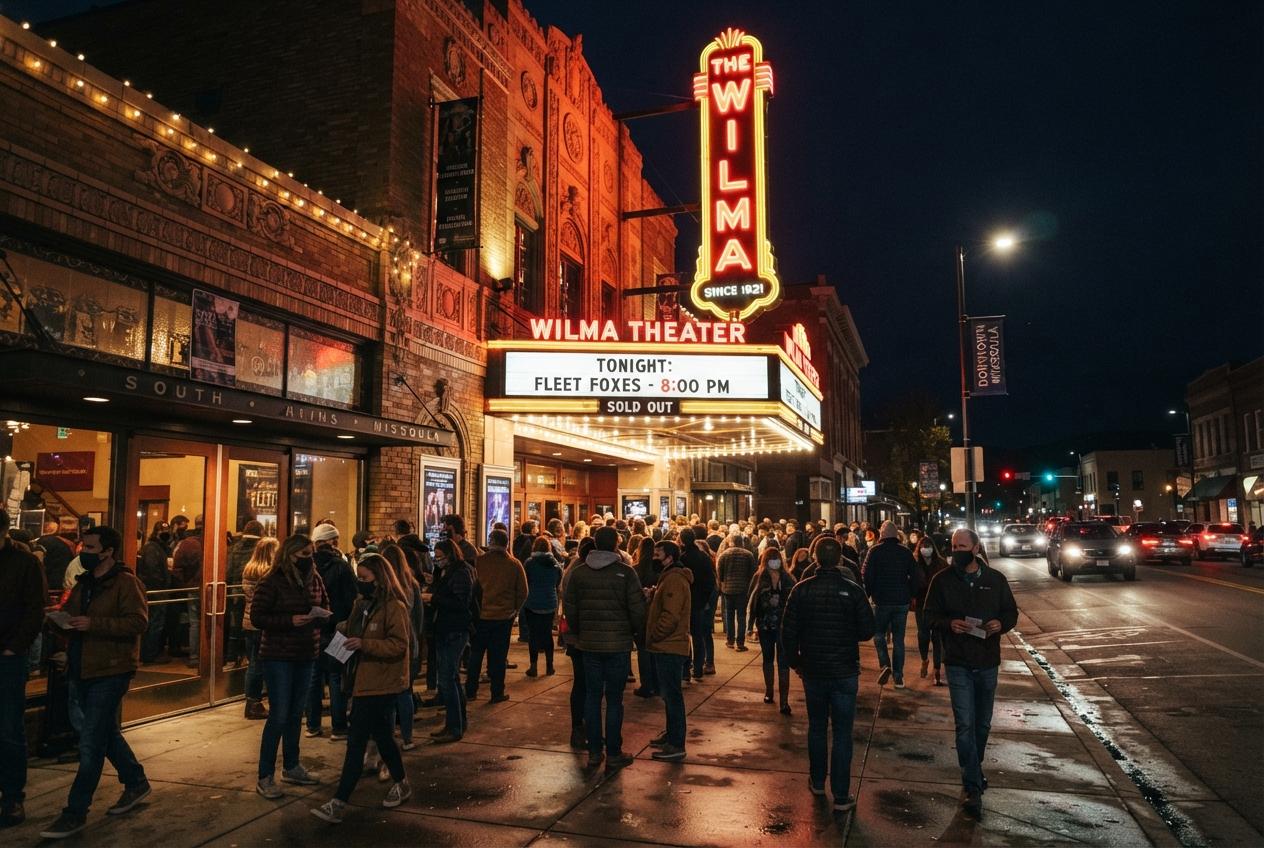
- Practical tip: Check BlackStar’s schedule for venues (Wilma, Perelman, Suzanne Roberts) and virtual windows; some shorts screen together in themed blocks.
Why BlackStar feels like the place to be this summer
BlackStar has long been a showcase for stories that sit outside the studio system, and this year’s line-up leans into queer perspectives with a vivid, cinematic energy. The festival mixes the tactile , parties, powwows, drag rooms , with quiet, intimate portraits of trans youth and elders. According to the festival programme, many screenings offer virtual access after theatrical showings, which makes catching a favourite a lot easier if you can't make it to Philly.
What’s striking is how the films use texture to tell their stories: Bouchra’s 3-D animation is lush and tactile, while documentaries like Mickey stitch together diaries, photos and animation. If you’re planning your viewing, think about pairing a feature with a themed short block to get different lenses on similar themes.
Bouchra: animated, queer and visually intoxicating
Bouchra is a standout , a 3-D animated film that follows a queer coyote in New York who maintains a fraught, love-hate bond with her mother in Casablanca. The colours and design are vivid and tactile, and the film-within-a-film device gives it a layered feel. Reviews note Meriem Bennani’s voice work and the inventive visuals; it’s been written up in festival coverage and earlier reviews as Morocco’s first major animated feature to play internationally this season.
If you love cinema that’s more sensory than plot-driven, make time for Bouchra. It’s the sort of film you’ll talk about after the credits for its imagery and the gentle cruelty of family dynamics.
Documentaries that center trans lives , urgent and humane
This year’s slate includes several films that centre trans experiences in very different ways. What Will I Become? is a life-affirming but hard-hitting documentary exploring trans male youth, mental health and the alarming suicide risk , it offers case studies, archival footage, and resource info like Trans Lifeline. Mickey, an experimental portrait of a young trans woman in Sinaloa, Mexico, mixes diary clips, animation and intimate confession to create an arresting if intentionally fragmented collage.
These films matter because they don’t flatten experience into protest-only narratives; they show daily life, joy, and the structural harms so often ignored. If you’re watching with young people or students, pair screenings with trigger warnings and resource signposting.
Powwow People and shorts that celebrate community
Not all the films are inward-facing. Powwow People is an observational documentary filmed at a Seattle cultural centre that records dance, music and competition while foregrounding voice-overs from participants, including a non-binary jingle dancer. It’s immersive and celebratory, and it’s a reminder that community rites are political and joyful.
Shorts like Communion , a warm, observant portrait of 50+ lesbians lounging, kissing and joking , and Glass Bricks, a compelling snapshot of Philadelphia drag artist Finessa Jawn, give festivalgoers quick, nourishing hits of community and personality. These pieces are great for people new to festival-going because they’re short, immediate and leave you wanting more.
Form and invention: when style carries the story
Across the programme you’ll see filmmakers play with form: animation as elegy in Solace, black-and-white poetic sequences in Our Bodies Ours, collage and superimposition in Buckskin, and the delicate mix of performance and reportage in After What Happened at the Library. Some films feel intentionally incomplete, which can frustrate viewers who want tidy arcs, but others use fragmentation to mimic memory and marginalised subjectivity.
If format matters to you, check individual descriptions before buying tickets. Experimental work rewards patience and attention, and pairing a challenging feature with a more conventional documentary can balance your evening.
How to plan your festival weekend
First, visit BlackStar’s events page for up-to-the-minute schedules and ticket links. Note the venues , Wilma, Perelman, and Suzanne Roberts appear regularly , and whether screenings are followed by Q&As or virtual availability. If you’re sensitive to heavy themes (suicide, homophobia, abuse), preview content warnings or choose companion shorts with lighter tones, like Wholesome or Communion, to soften the emotional curve.
Bring a friend, leave time for conversations after the film, and consider buying a pass if you want maximum flexibility. Many of these films are rare festival finds, so catch them while you can.
It's a small change that can make seeing these stories feel necessary and joyful.
Source Reference Map
Story idea inspired by: [1]
Sources by paragraph: