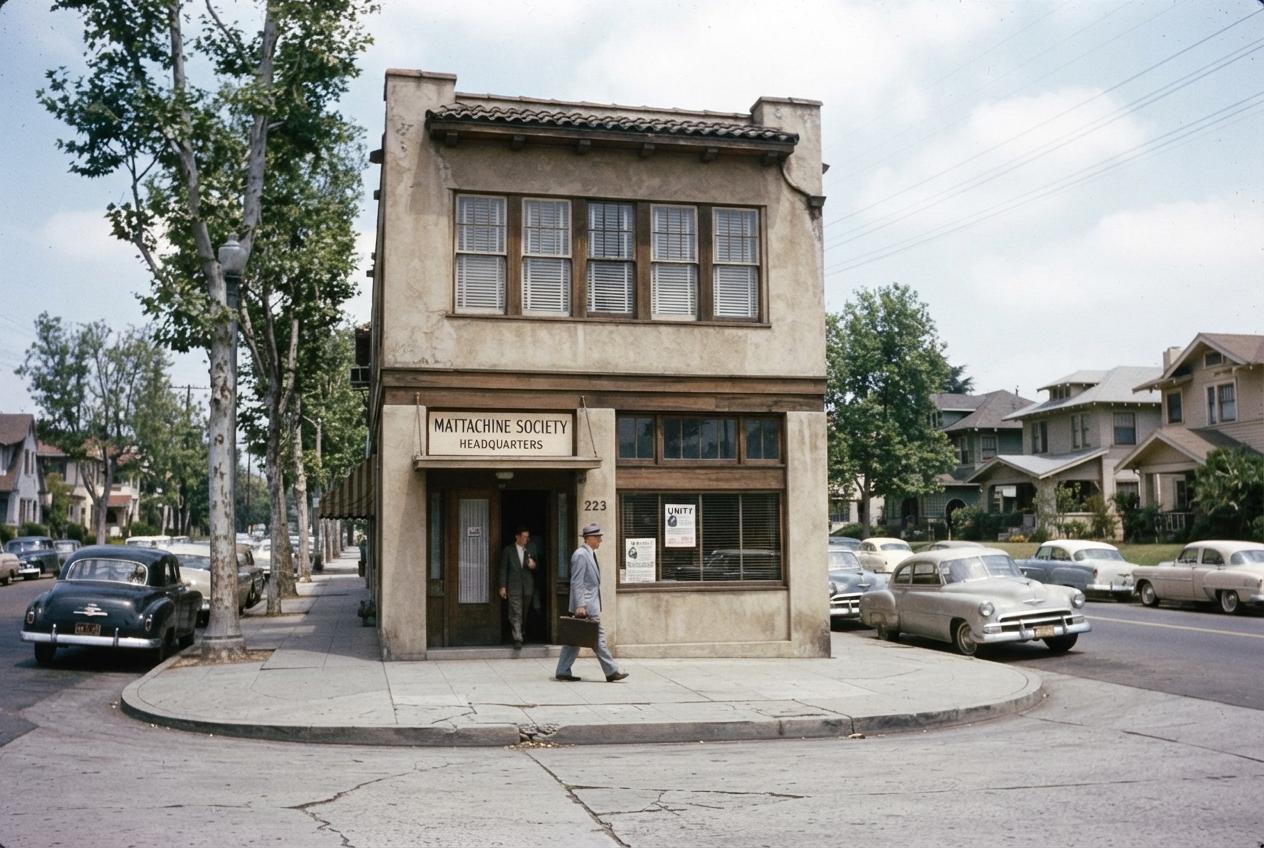
Shoppers, activists and curious readers are returning to Harry Hay’s story this summer, as fresh profiles re-examine his life and why his combative vision still matters to the LGBTQ+ movement. Readers get a vivid picture of who he was, what he founded, and why his contradictions still provoke debate.
Essential Takeaways
- Founding role: Harry Hay co-founded the Mattachine Society, one of the first sustained gay-rights organisations in the United States, reframing homosexuality as a minority identity rather than a pathology.
- Radical organiser: He blended leftist organising techniques with queer culture, creating secret-cell structures and later the Radical Faeries, which mixed politics, spirituality and community.
- Controversial stands: Hay courted controversy on issues from free-speech defence of NAMBLA to early opposition to same-sex marriage, positions that complicate his legacy.
- Lived contradictions: He spent decades expelled from groups he helped build, lived openly as a queer elder, and inspired devoted followers while also drawing sharp criticism.
- Sensory note: Accounts paint him as imperious yet charismatic, the sort of presence whose lectures and laughter you could still hear in a small room.
Opening Hook: The man who made trouble that mattered
Harry Hay was loud, often awkward, sometimes infuriating , and he kept pushing because he thought the stakes were existential. Contemporary profiles and interviews with people who knew him describe a tall, bookish organiser whose voice carried a sermonising, warm edge; he could charm you into thinking differently about community and identity. According to biographical accounts, his idea that gay people constituted a cultural minority changed how activism was imagined in the 1950s.
How the Mattachine Society rewrote the script
In late 1950, Hay and a small circle in Los Angeles launched the Mattachine Society and borrowed organisational forms from Communist cells and fraternal orders to protect members and organise politically. The thrust was bold: homosexuals weren’t merely sick individuals to be cured , they were a people with a political claim. That argument, radical then, helped shift public conversation and seeded later rights work. Yet the society’s early success prompted a split between Hay’s radical vision and members who sought respectability and assimilation, a fissure that forced Hay out of the organisation he founded.
From Communist cells to countercultural campfires
Hay’s early political life was shaped by his years in the Communist Party, where the Party’s hostility to homosexuality pushed him into what some sources call a “double closet” , hiding both political and sexual identities. After leaving the Party in the early 1950s, he kept organising, and in the late 1970s helped spark the Radical Faeries, a movement that fused ritual, queer spirituality and anti‑assimilationist politics. The Faeries’ desert gatherings were sensory affairs , mud, music, storytelling , and they still exist today as scattered sanctuaries for queer ritual and fellowship.
The hard-to-take moments: NAMBLA and other flashpoints
No honest profile of Hay sidesteps the most difficult controversies. In the mid‑1980s he publicly protested the exclusion of NAMBLA from a Pride parade in a way many found indefensible; he argued the action was about censoring dissent rather than endorsement. He also resisted same‑sex marriage at first, seeing it as a climb toward conformity. These stances complicated how later generations remembered him, and they forced the community to wrestle with limits of free speech, generational change and evolving norms around consent and power.
Why his contradictions still teach us something
Hay’s life reads like a study in paradox: generous yet domineering, visionary yet alienating, radical yet keen on creating traditions. He believed in a distinct gay identity and wanted a communal life built around it, a conviction that still fuels debates about assimilation versus cultural renewal. As modern LGBTQ+ movements diversify and shift toward broader sexual and gender fluidity, Hay’s insistence on a shared queer consciousness feels both dated and strangely prescient. Historians and activists alike find value in taking his provocations seriously, even when disagreeing.
Practical perspective: reading Hay today
If you want to explore Hay’s legacy, start with balanced biographies and contemporary reporting that trace both his organising wins and the controversies. Pay attention to voices of people who knew him , caregivers, fellow activists, critics , because they reveal texture you won’t get from a short summary. Remember that heroic acts and serious missteps can coexist; treating his life as a complex case study helps the movement learn rather than flatten history into a simple portrait.
It's a complicated inheritance, but grappling with Harry Hay's troublemaking still sharpens the questions the LGBTQ+ movement needs to ask.
Source Reference Map
Story idea inspired by: [1]
Sources by paragraph: