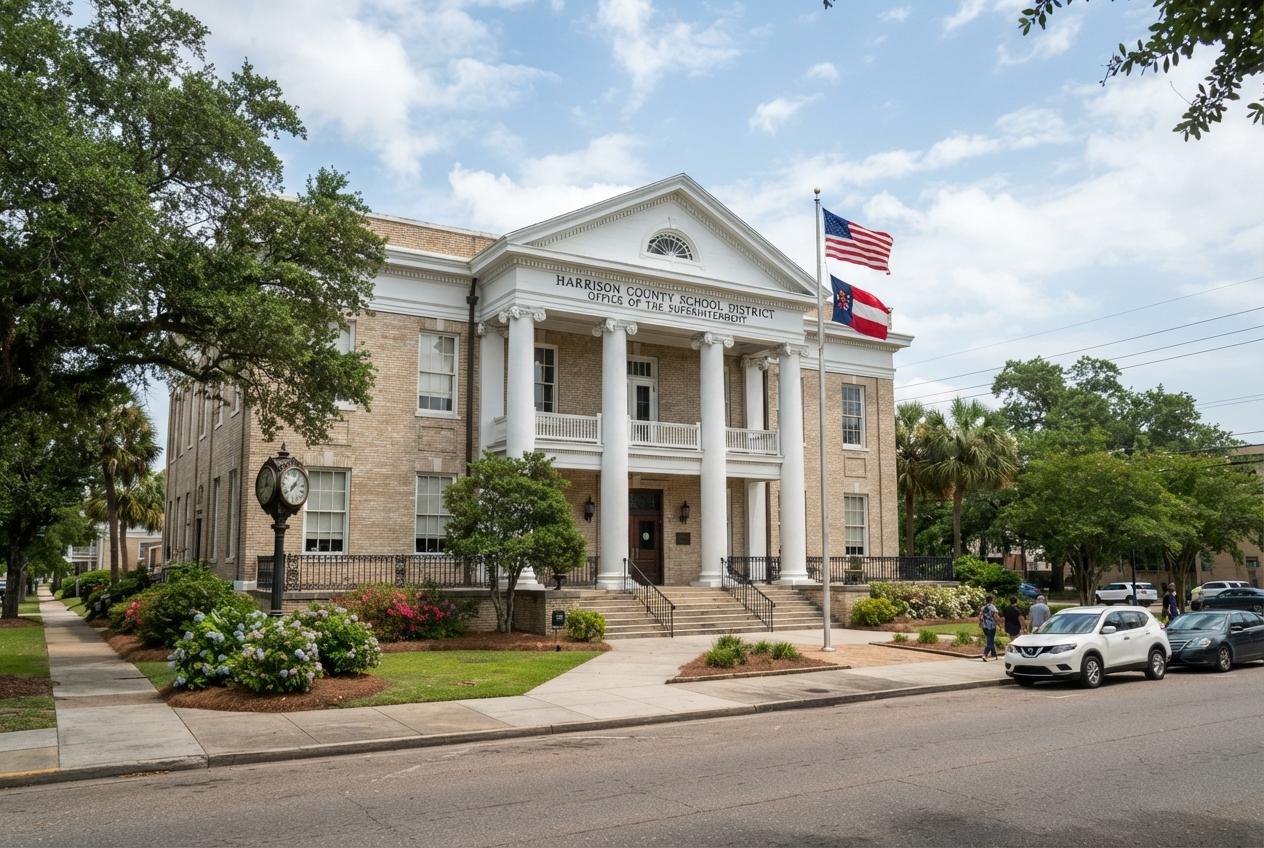
Shining a light on students, families and advocates in Biloxi and Harrison County, Mississippi , organisers staged a Pride Graduation to celebrate transgender and LGBTQ+ grads shut out by strict gender-based dress codes, showing why policies tied to “biological sex” are increasingly contested and personally costly.
Essential Takeaways
- Community response: Local nonprofits organised a Pride Graduation after some transgender students were barred from dressing in line with their identity for school ceremonies, creating a joyful, affirming alternative.
- District policy: Harrison County schools require students to dress according to the “biological sex” in their permanent records, a rule advocates say harms mental health and safety.
- Legal and advocacy context: Civil liberties groups have previously challenged similar rules in Mississippi high schools, arguing they violate students’ rights and Title IX protections.
- Student impact: Trans and gender-nonconforming students report being kept out of yearbook photos, senior portraits and graduation ceremonies or feeling unsafe on campus; community events offered visible emotional relief.
- Hands-on advice: If your child is affected, document incidents, attend board meetings, connect with local trans support groups and consult civil-rights organisations for guidance.
A celebratory workaround that felt like home
The Pride Graduation in Biloxi was small, warm and deliberately inclusive, with graduates wearing the Progress Pride flag and receiving certificates that named them and their courage. The scene was tactile , dresses, pins and a photo booth , and intentionally joyful, because for many this was a first real graduation on their terms. Organisers from local groups like TRANS Program made space when schools wouldn’t, turning disappointment into a public, affirming ritual.
This kind of community-driven response is not new. When schools restrict students’ presentation, local nonprofits often step in with ceremonies and resources. That’s comforting for families who feel shut out, but it’s also a reminder that activism is filling gaps left by district policy rather than replacing the need for official change.
What Harrison County’s rules actually say , and why people object
Harrison County’s handbook ties clothing rules to the “biological sex that is stated in the student’s cumulative folder and permanent record,” meaning students are expected to conform to dress norms based on what was recorded at birth. For senior portraits, some districts explicitly require drapes for “female” photos and tuxedos for “male” photos, which leaves little room for gender expression.
Advocates argue these rules aren’t just outdated , they’re harmful. Students told reporters they missed out on portrait retakes, were misgendered in public posts, or felt unsafe using facilities. Critics point out that policies like these are outliers compared with neighbouring Gulf Coast districts that don’t impose the same restrictions.
Legal pressure and the Title IX argument
Civil-rights groups have previously sued and challenged schools in Mississippi over similar bans, asserting that denying a student the right to wear clothing that affirms their gender can constitute sex discrimination under Title IX and equal-protection principles. Those legal efforts are part of a broader national trend: advocates are increasingly using administrative complaints and lawsuits to push districts to update codes.
Even when litigation doesn’t immediately overturn a policy, cases often bring public attention, galvanise local support and can change how districts handle complaints. For families considering action, organisations such as the ACLU offer case guidance and filings that can be a useful first step.
What happens in school board meetings , and why engagement matters
School board meetings in Harrison County have become a focal point for debate. Parents and trans advocates packed comment periods to raise concerns; other community members rallied in support of the district’s dress-code stance. Observers of school governance warn that procedural barriers , strict sign-up rules or limited engagement with public comments , can shut voices out and erode trust.
Research into school boards shows that when officials listen and respond, it increases trust; when they don’t, frustration and acrimony grow. If you want to be heard, arrive early, sign up, bring documentation and, if possible, coordinate with allies so comments are concise and personal.
The real cost for students: safety, identity and the future
Beyond policy language lies the everyday reality for students who navigate school corridors, bathrooms and social media under threat of misgendering or exclusion. Graduates at the Biloxi event described practical fears , being called the wrong name, avoiding bathrooms, or moving away from their home state to feel safe. The Pride Graduation wasn’t just symbolic; for many it was healing, an assertion that their identity matters.
For parents and guardians: prioritise support networks, mental-health resources and safe spaces. For schools: updating dress codes and offering staff training on pronouns and inclusive yearbook practices would reduce harm and show care for all pupils.
It's a small change that can make every graduation feel like a true milestone.
Source Reference Map
Story idea inspired by: [1]
Sources by paragraph: