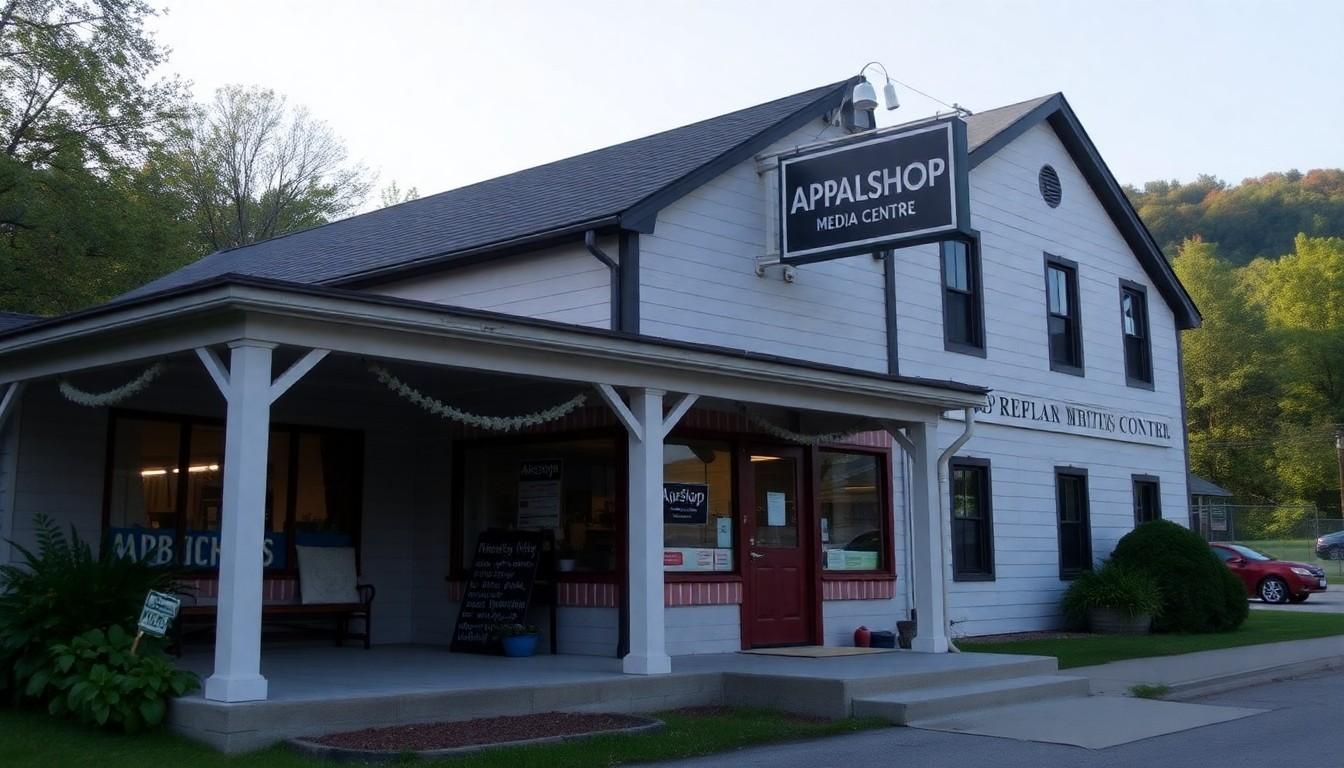
Shining a light on overlooked lives, Queer Jobs follows two LGBTQ+ women in rural eastern Kentucky and asks what home and work can look like when identity, community and economic pressure collide , a timely, intimate film from Appalshop that matters for anyone curious about rural queer life.
Essential Takeaways
- Local focus: The film tracks two queer women in eastern Kentucky, showing day‑to‑day jobs and ambitions.
- Produced by Appalshop: A long‑running Whitesburg media collective that amplifies Appalachian voices.
- Emotional texture: Scenes balance work routines with quiet moments of belonging, tension and hope.
- Wider context: The project joins a growing interest in rural LGBTQ+ stories and the economic dilemmas they face.
- Practical note: Useful for community organisers, educators and viewers seeking more authentic representation.
A small film with a big, human feel
Queer Jobs opens in ordinary places , the diner, the farm, the local clinic , and the camera lingers, so you feel the weight of small routines. According to WUKY, director Nik Lee frames the film around what “home” can mean, and there’s a tactile, lived‑in quality to the images that makes the characters’ choices feel immediate and real. The result is less spectacle and more quiet witness, which is precisely its strength.
Why Appalshop’s backing matters
Appalshop has been documenting Appalachian life since 1969, and their involvement signals more than production muscle; it’s a commitment to community‑led storytelling. The organisation’s track record in film and radio gives Queer Jobs both context and credibility, and the project joins other recent releases and exhibits the centre is supporting this summer. That continuity matters when you’re trying to counter stereotypes with nuance.
Work, identity and the slow churn of economic reality
At its heart, the film is about choices , the jobs people take, the compromises they make, the pull between staying and leaving. WUKY’s coverage highlights how economic pressures can push queer people out of small towns, and Queer Jobs shows those pressures in human scale: the calluses on hands, the unpaid overtime, the conversations about future plans. If you’re wondering how employment shapes identity in rural areas, this film offers a clear, compassionate primer.
Representation in rural storytelling , why it’s overdue
Mainstream media has largely skipped the rural queer experience, so documentaries like this help rebalance the picture. Queer Kentucky and other community outlets have been preserving local LGBTQ+ histories, and Lee’s film slots into that ecosystem by centring the subjects’ voices rather than speaking for them. For viewers used to urban narratives, this is a reminder that belonging and queer life look different outside big cities.
How to watch, teach or use this film
If you’re a teacher, a community organiser or just a curious viewer, use Queer Jobs as an entry point for discussion about labour, migration and belonging. Screen it alongside local history material from Appalshop or oral histories from regional archives to deepen context. For festival programmers, the film’s intimate scale makes it ideal for post‑screening Q&As with local activists or the director.
It's a small, honest film that opens big conversations about work, home and who gets to stay where.
Source Reference Map
Story idea inspired by: [1]
Sources by paragraph: