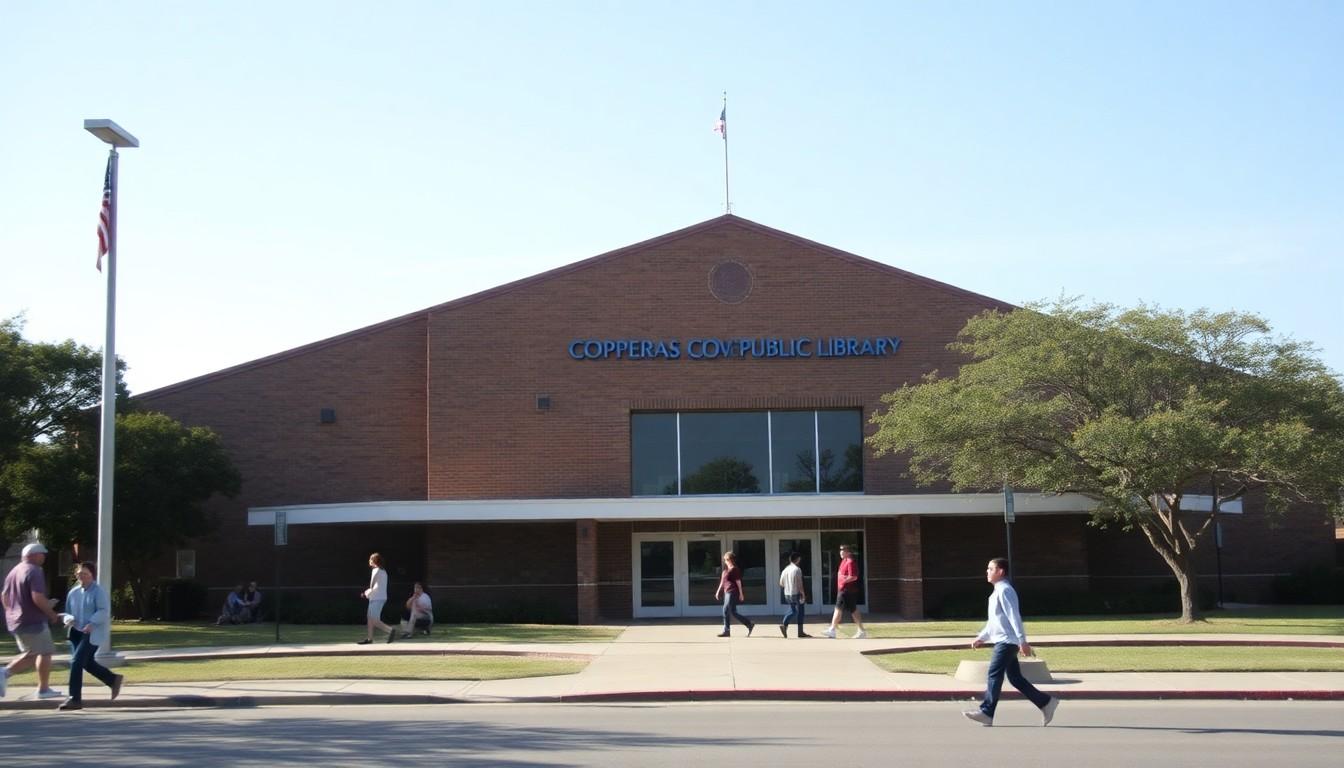
Shoppers and residents are watching small-town politics heat up over Pride Month proclamations, as mayors, councils and communities in Texas and beyond spar over visibility and values , and why this matters for local democracy, businesses and neighbours.
Essential Takeaways
- Tense councilrooms: Packed meetings in Copperas Cove and elsewhere show strong feelings on both sides, with vocal supporters and opponents.
- Mayoral power matters: Some mayors have blocked or declined to sign Pride proclamations, affecting local recognition.
- Business reactions vary: From firms celebrating Pride to drawing criticism, corporate choices now shape community debates.
- Community impact: These disputes often ripple into schools, libraries and civic life, prompting resignations and protests.
- Practical step: If you care, show up to meetings, write to councillors, or support local LGBTQ+ groups , your presence changes tone.
Packed council chambers, public passion: Copperas Cove’s standoff
The strongest scene so far is a jammed Copperas Cove council chamber where residents leaned forward, some clapping, others bristling. According to reporting, the mayor refused to sign a Pride Month proclamation despite a full house urging recognition, and the moment captured a wider cultural tug-of-war. These confrontations feel visceral , people speaking for their kids, faiths and neighbours , and they make local government suddenly very human. If you want to influence outcomes, the single most effective move is simple: attend public meetings and make your voice heard.
Why some mayors say no , and what that signals
A number of mayors have declined proclamations, citing various reasons from policy to personal conviction. Reuters-style context elsewhere shows similar patterns in Great Falls and other towns where leaders drew both criticism and praise. Those decisions aren’t just symbolic: they shape official messaging, decide who’s acknowledged by city hall, and often set the tone for follow-on actions in schools and libraries. For residents, understanding the rules for proclamations , who can make them and how they’re approved , helps demystify the process and points to where a constructive appeal might succeed.
Businesses are no longer neutral bystanders
Nationally, companies that publicly mark Pride Month can attract both applause and backlash; the same dynamic plays out locally when restaurants or shops take a stand. Coverage of corporate Pride initiatives shows how brand choices spill into hometown debates, with some customers feeling affirmed and others feeling alienated. For local business owners uncertain what to do, a practical path is to be clear about values while preparing to engage respectfully: train staff on inclusivity, communicate reasons for actions, and consider community partnerships so gestures feel rooted, not token.
Cultural flashpoints ripple into schools and libraries
These council disputes often echo into public services. Past controversies have seen library directors resign and school discussions intensify when book selections or educational events touch LGBTQ+ themes. Those outcomes remind us that the debate isn’t only about a single proclamation , it’s about which voices are centred in civic spaces. Parents and educators should track meeting agendas and school board calendars if they want to protect classroom choices or advocate for age-appropriate materials.
How communities cool down and move forward
Change usually arrives when neighbours meet one another outside the heat of a council chamber , at coffee shops, faith groups or local events. Cities that emerge calmer tend to prioritise listening sessions, clear policy language about proclamations, and practical agreements on how civic recognition is handled. If you’re looking to bridge divides, suggest a moderated forum, propose a transparent proclamation policy, or back local nonprofits doing steady community work. Small gestures like that often defuse the drama and produce durable solutions.
It's a small civic moment with outsized feeling , show up, listen, and decide how you want your town remembered.
Source Reference Map
Story idea inspired by: [1]
Sources by paragraph: