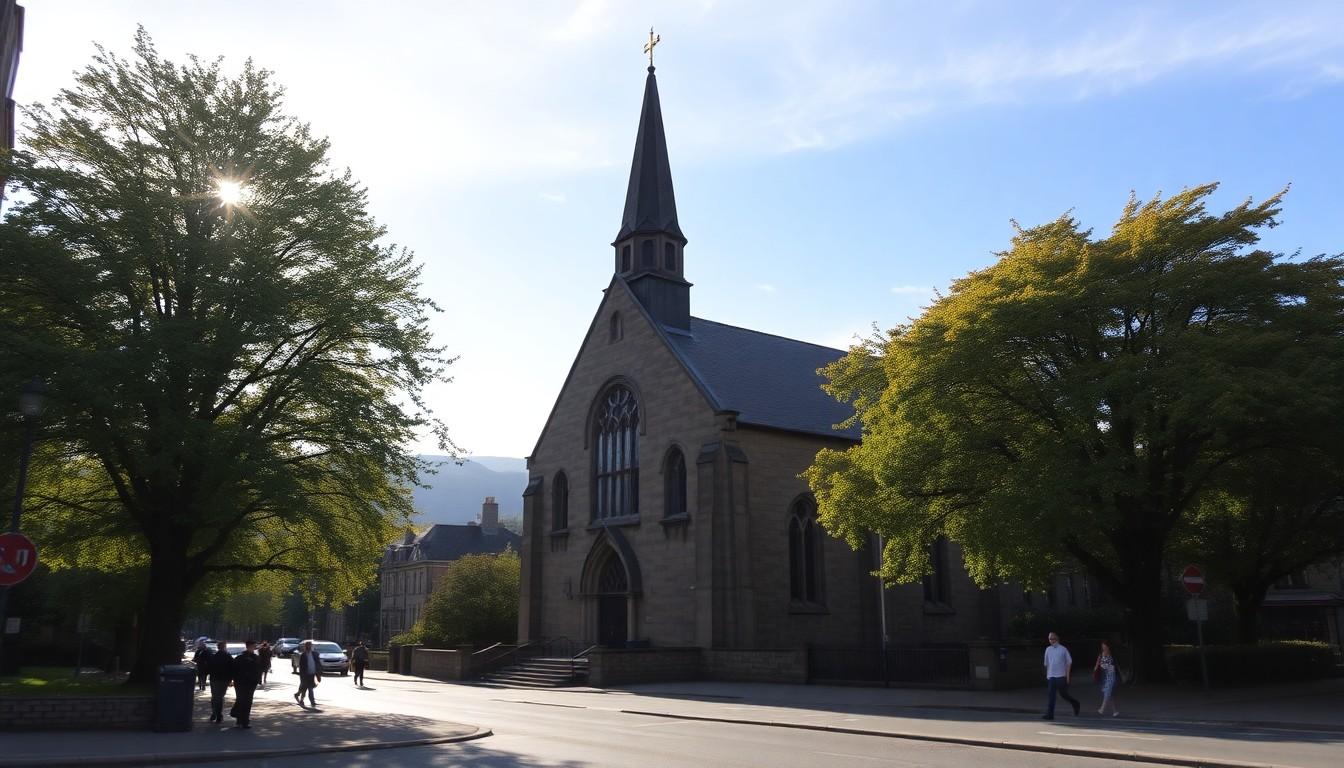
Shoppers and locals are talking as Stirling Pride apologises after online homophobic comments; organisers say church services on August 30 are still going ahead and stress why working with faith groups matters for community healing and inclusion.
Essential Takeaways
- Apology issued: Stirling Pride restricted comments and apologised after a wave of homophobic and transphobic replies to its church service announcement.
- Services confirmed: Pride services will take place at Holy Trinity Church, Stirling and St Mary’s Episcopal Church, Dunblane on August 30; they aim to be inclusive and reflective.
- Community links: Organisers highlight growing, practical partnerships with local churches that publicly support LGBTQ+ people.
- Crowd context: Stirling’s Pride has rapidly grown , more than 7,000 attended in 2024 and about 8,000 in 2025 , making the services a meaningful part of the programme.
- Tone and intent: The charity frames services as cathartic and restorative, not erasing past harms but trying to repair relationships.
Why the backlash happened , and why the apology matters
The strongest reaction landed online after Stirling Pride announced two reflective services tied to this year’s events. The post invited everyone, whatever their faith background, and the comments quickly turned bitter and abusive. Stirling Pride restricted replies and apologised to anyone affected. That move matters: it signals organisers are taking community safety and dignity seriously while still holding space for faith-based celebration.
Churches and Pride: awkward history, slow repair
There’s no pretending the relationship has been smooth. Organised religion has caused real harm to many LGBTQ+ people, and local memories run deep. Stirling Pride’s statement acknowledged that history while also naming the churches that want to change. The practical detail here is useful , these aren’t token gestures, they’re ongoing collaborations aimed at shifting how congregations treat LGBTQ+ people from the inside.
What the services actually do , more than a blessing
For many attendees, Pride services are quietly powerful: a chance to reflect after a busy weekend, to feel seen in a peaceful setting, or to grieve and celebrate with others. Organisers describe them as cathartic, and when you picture a church service with rainbow flags and warm hymns, it’s easy to see why some people welcome the mix of ritual and relief. If you plan to go, check Stirling Pride’s website for times and accessibility info so you know what to expect.
The wider trend: faith groups wanting to be visibly inclusive
Across the UK, some parishes and denominations are taking practical steps , celebrating LGBTQ+ lives, offering rites and encouraging inclusion. Stirling’s approach reflects that broader shift, and it’s a useful example for other towns where tensions flare. The key takeaway for readers is this: partnership doesn’t erase past wrongs, but it can create safer spaces and public signals that attitudes are changing.
Practical tips if you want to attend or support
If you’re curious, arrive with an open mind and a plan: clothes that suit a reflective service, an awareness that the tone may be quiet, and someone to go with if you want company. If you’re organising or volunteering, set clear moderation rules for online posts and a communications plan for any abusive replies. Simple steps like comment moderation and clear statements of values make a real difference.
It's a small change that can make every part of Pride feel safer and more welcoming.
Source Reference Map
Story idea inspired by: [1]
Sources by paragraph: