Shoppers of internet culture will recognise a familiar pattern: creators turning private truth into public theatre. Joey Graceffa says seeing Troye Sivan and Connor Franta come out on YouTube gave him the courage to do the same, and the result reshaped how creators use spectacle to tell their stories.
Essential Takeaways
- Peer influence mattered: Joey Graceffa credits fellow creators like Troye Sivan and Connor Franta for modelling a positive response to coming out.
- Coming-out videos were a moment: Mid-2010s YouTube became a stage for candid, high-engagement announcements that mixed vulnerability with production.
- A daring reveal: Graceffa avoided a sit-down video, instead creating a cinematic 2015 music video, “Don’t Wait,” that blended fiction and memoir.
- Emotional hurdles: He names internalised homophobia as the biggest barrier, revealing the private work behind public bravery.
- Enduring reach: Graceffa’s project struck a chord, millions of views and a cultural footprint that reminds us why storytelling matters.
Why a creator’s coming-out can feel monumental
There’s a particular crackle when a popular YouTuber shifts from playful vlogger to confessional. Joey Graceffa described the mid-2010s wave of coming-out videos as a defining era, and you could feel the emotion leak out of your screen, nervous laughter, tears, relief. According to reports, creators who came out often received supportive responses that helped others feel safer to do the same. That chain reaction is exactly what Graceffa points to as the spark for his own announcement.
Back then, a coming-out clip wasn't just personal news, it was content: raw, shareable, and headline-friendly. For viewers it read as a kind of community moment, and for creators it could be a turning point in their public identity. If you’re thinking about how to say it yourself, the takeaway is simple, visibility breeds permission. Seeing someone you trust do it makes the idea less isolating.
From sit-down confession to cinematic statement
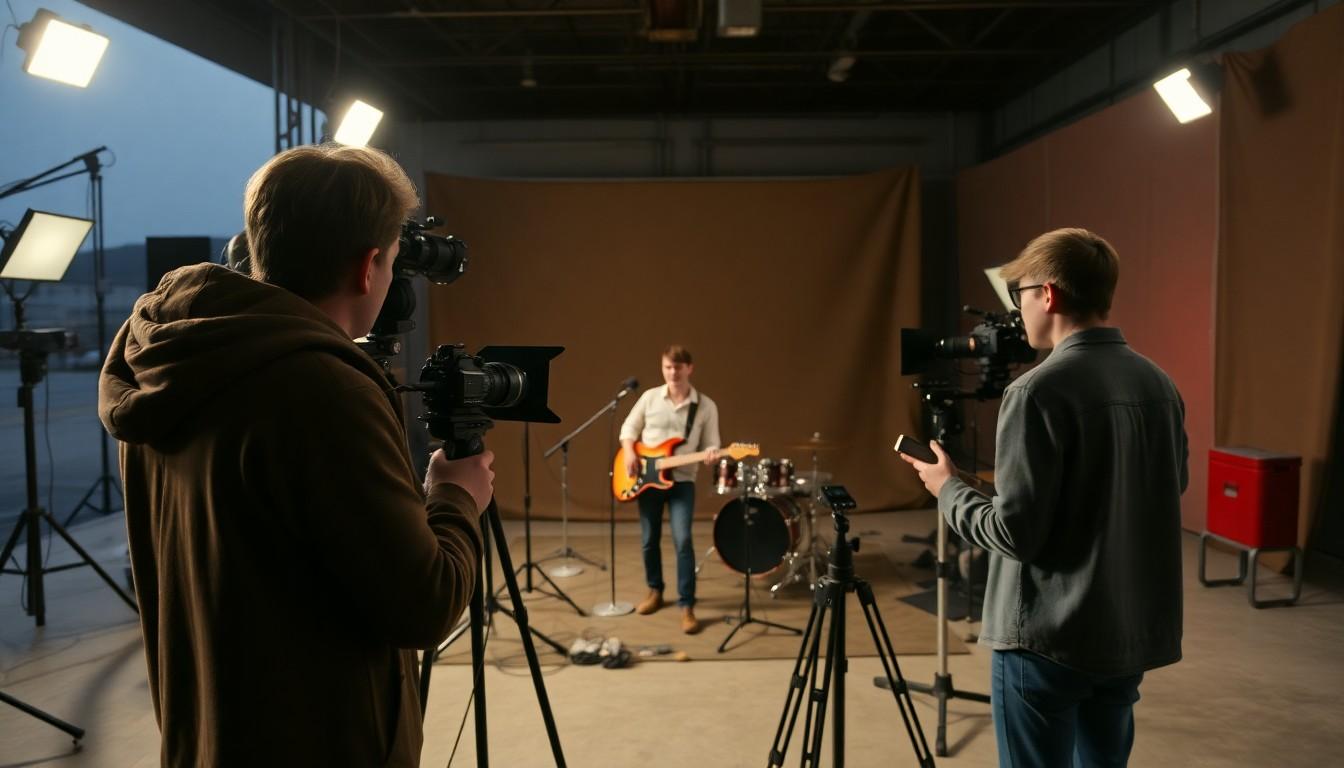
Rather than film a quiet sit-down, Graceffa chose spectacle. He spent heavily to turn his coming-out into a polished music video, “Don’t Wait,” which layered fantasy and autobiography. The result was both a declaration and a piece of entertainment, and it played like a carefully staged answer to the simpler confessionals that had dominated YouTube.
That decision tells you something about the platform at the time: production value had become a way to stand out. Some creators opted for intimacy, others for spectacle. If you’re weighing the options now, think about tone, do you want quiet honesty, or a creative statement that reframes your story? Both work; it’s about what feels true to you.
The unseen work: internalised homophobia and doubt
Graceffa’s candid admission about internalised homophobia is a reminder that coming out is rarely a single moment. He spoke about quizzes and denial, the kind of private circling that precedes acceptance. That candidness is also why public declarations can feel so powerful, they’re the end of a long inner argument.
Mental and emotional prep matters. Friends, therapy, or speaking to other queer creators can help. If you’re supporting someone, a steady, non-judgemental presence is often more useful than big gestures. The internet may remember the video, but people remember the quiet help beforehand.
The ripple effect: community, content, and culture
YouTube’s coming-out videos of that era weren’t just personal milestones, they shaped content norms. Lists and rankings in entertainment publications later chronicled the most-viewed reveal videos, showing how these clips crossed from niche to mainstream. That catalogue of moments helped normalise queer narratives for younger viewers scrolling late at night.
Creators gained new freedom to integrate identity into their art. For audiences, these videos became reference points: “I watched Troye’s, then Connor’s, then Joey’s,” and so on. If you study the trend, it’s clear that visibility on social platforms can shift cultural conversations faster than old media ever did.
What this means for creators and audiences today
Times have changed: coming-out videos aren’t the must-see event they once were, partly because queer visibility is more diffuse across platforms and media. Yet the lessons remain. Authentic storytelling still resonates, and the decisions about format, intimate chat or cinematic statement, still matter.
If you’re a creator planning to share, choose the medium that honours your experience. If you’re a viewer, remember the human behind the upload. And if you’re a friend, offer steady support; those small acts often matter more than the comments section.
It’s a small shift in format, but an ongoing reminder: stories told well help people find the courage to speak.
Source Reference Map
Story idea inspired by: [1]
Sources by paragraph: