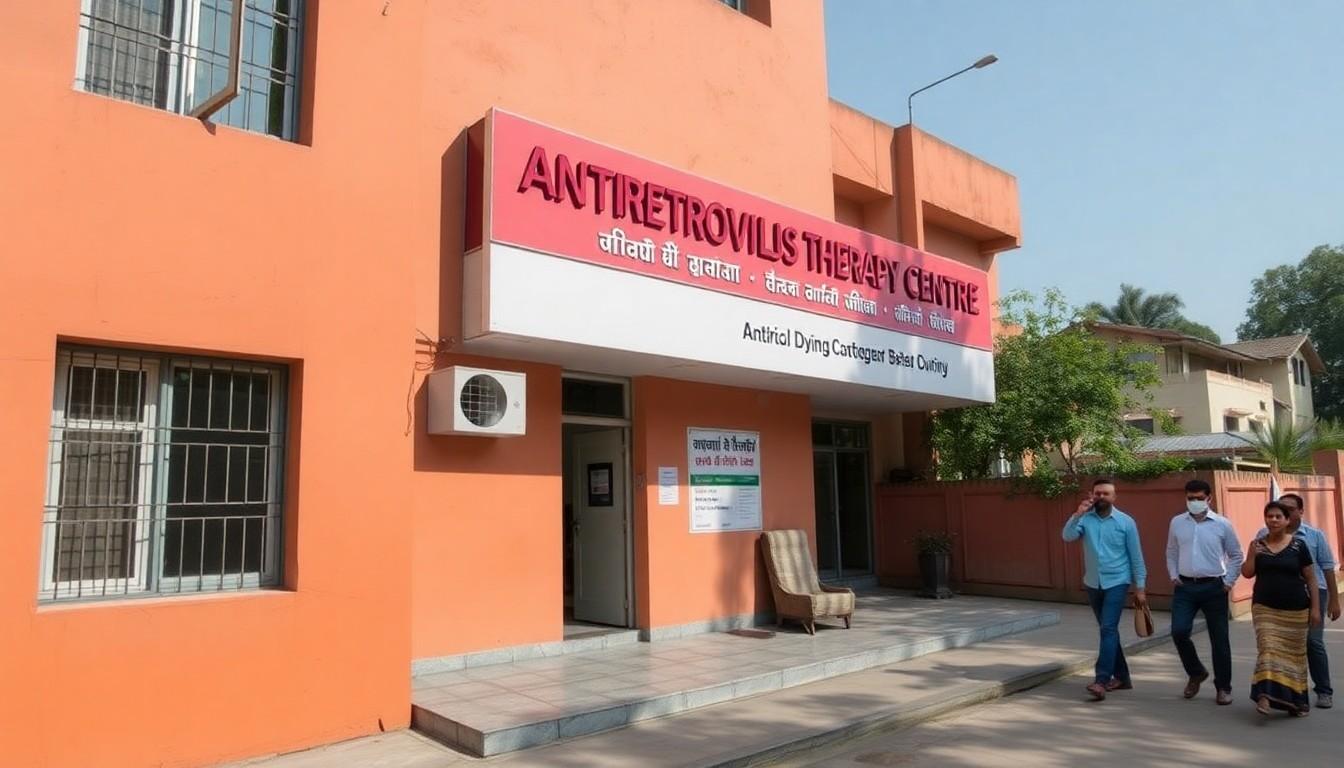
Shoppers and advocates are watching as India’s 2026 transgender law change affects access to HIV treatment; transgender women in Bihar say stalled welfare payments and stricter ID checks are already making free medicines effectively harder to reach, threatening adherence and dignity.
Essential Takeaways
- Payments stopped: Some transgender women in Bihar lost monthly welfare stipends that help cover travel and incidental costs to HIV clinics.
- New verification rules: The 2026 amendment replaces self-identification with medical and bureaucratic checks, adding paperwork and potential delays.
- Hidden costs matter: Even when antiretroviral drugs are free, transport, time and gatekeeping reduce adherence and raise stress.
- Clinical stigma persists: Misgendering and intrusive counselling undermine trust and drive people away from ART centres.
- Mental-health fallout: Interrupted treatment and social exclusion increase anxiety, depression and the risk of treatment resistance.
Why a stopped Rs 1,500 payment can wreck a care routine
Ankita and Angel’s stories show how a small monthly stipend becomes a lifeline when every rupee pays for food, rent and the bus to the clinic. According to local activists, the sums involved might seem trivial to policymakers but are decisive for people living marginal lives. When the state delays or halts the Shatabdi AIDS Pirit Kalyan Yojana disbursements, the immediate result is missed appointments and gaps in antiretroviral therapy. Practically speaking, clinics and NGOs should track which patients cite transport or household costs as barriers and triage support toward them.
The law change: paperwork over self-identification and why that matters
The Transgender Persons (Protection of Rights) Amendment Act, 2026 replaces the principle of self-identification with medical certification and administrative verification. Human-rights organisations have warned that added layers of proof create fresh hurdles for people who already struggle to get consistent identity records. In areas where matching Aadhaar, hospital files and IDs is already fraught, forcing medical proof encourages delays and exposes people to breaches of privacy. For health services, the takeaway is clear: policies that demand extra documentation will likely reduce clinic uptake unless accompanied by active outreach and confidentiality guarantees.
Stigma at the clinic door: how behaviour defeats policy on paper
India’s national HIV guidelines speak of non-judgemental counselling and confidentiality, but on the ground many trans people face misgendering, invasive questioning and humiliation. Priya’s account of being called by her pre-transition name and being grilled about partners shows how routine interactions can feel like punishment. That emotional cost is a practical barrier: patients skip visits to avoid embarrassment. Training front-line staff in simple dignity practices , using correct names, streamlining intake forms, cutting unnecessary questioning , would remove friction and likely improve adherence at low cost.
Mental health, treatment adherence and the risk of resistance
Clinicians warn that interruptions in antiretroviral therapy don’t just risk immediate viral rebound; they can foster drug resistance, complicating future care. Mental-health specialists link the stress of discrimination, housing instability and poverty to anxiety, depression and social withdrawal, all of which undermine adherence. For community organisations, that means combining adherence support with counselling and social services. For funders and local governments, it means recognising that providing free drugs is only one piece of keeping people on treatment.
What can be done now: practical steps to keep people in care
Community-led outreach and mobile ART dispensing can blunt travel and ID barriers, while peer navigators help with paperwork and privacy concerns. ART centres should audit their intake practices for confidentiality breaches and institute simple dignity checklists for staff. Local schemes that top up travel costs or provide discrete transport vouchers could be funded from health budgets or NGO grants. Finally, policy-makers must be reminded , by evidence and activists , that narrowing legal recognition has public-health consequences; removing bureaucratic obstacles is not optional if India wants to reduce HIV transmission and drug resistance.
It's a small set of adjustments that could keep treatment on track and restore a measure of dignity to people who already face too many choices between survival and care.
Source Reference Map
Story idea inspired by: [1]
Sources by paragraph: