Remembering Michael Hendricks, a relentless Montreal activist whose campaigning helped turn a private love into a public right; his death at 84 underscores how grassroots pressure, the AIDS crisis and decades of quiet persistence reshaped Quebec law and community memory.
Essential Takeaways
- Lifelong campaigner: Hendricks spent more than 30 years fighting for recognition of same-sex relationships in Quebec.
- Pivotal plaintiffs: He and René LeBoeuf became the first same-sex couple legally married in Quebec on 1 April 2004.
- Community memory work: They pushed for Parc de l’Espoir, a lasting AIDS memorial in Montreal’s gay village, and defended it two decades later.
- End of life choice: Hendricks died after requesting medical assistance in dying, following a degenerative lung illness.
- Legacy of ordinary rights: Their fight centred on everyday protections , inheritance, next-of-kin recognition and the right to family life.
A life shaped by love and urgency
Michael Hendricks arrived in Canada as a young draft evader from New Jersey and found a home in Montreal, a city that would become the stage for his activism and his family life. He met René LeBoeuf at a New Year’s party in the 1970s, and the two spent more than 40 years together , a partnership that fuelled a very public fight for very private rights. The detail that resonates is simple: they wanted what most couples want , legal recognition that protects you when sickness or death arrives.
From AIDS activism to public memorials
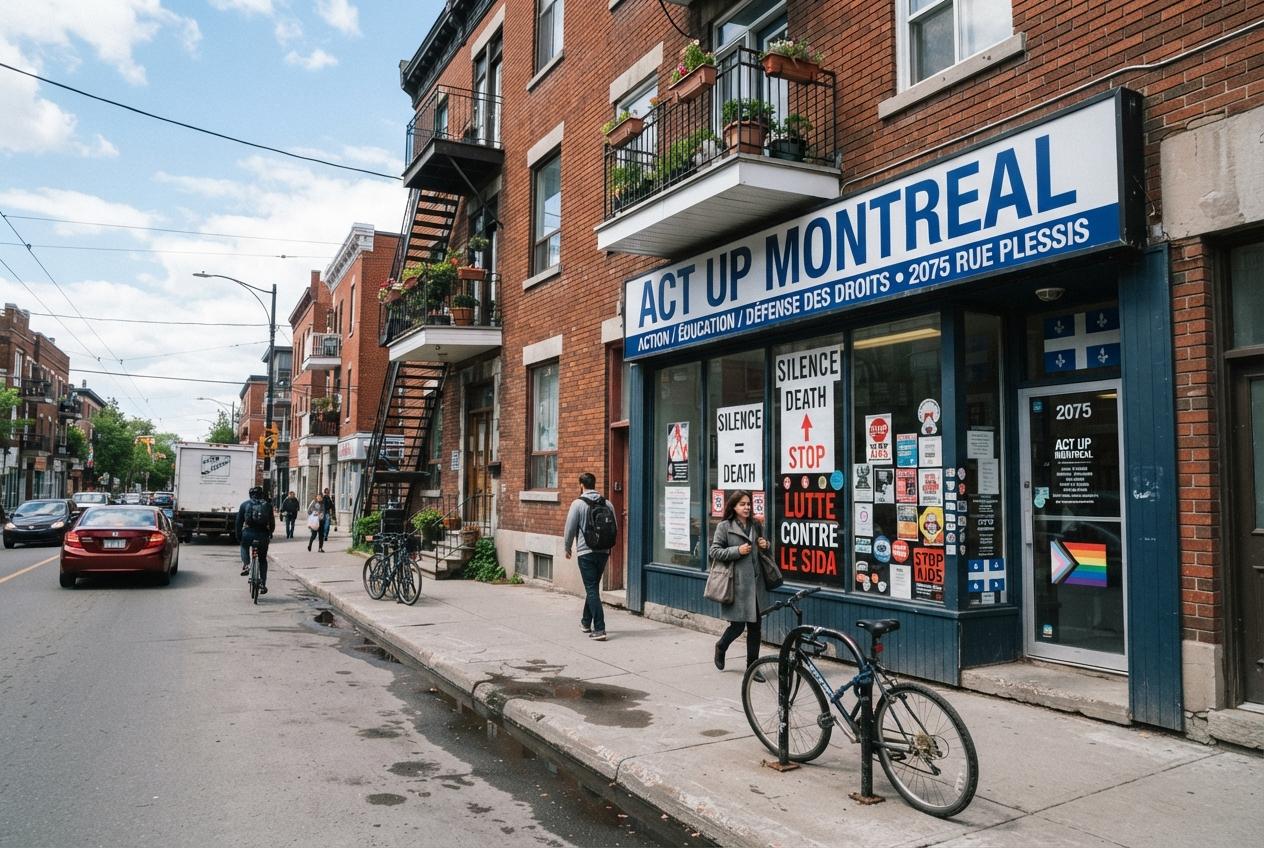
The AIDS crisis of the 1980s and 90s was the crucible for their political life. Hendricks and LeBoeuf were central in ACT UP Montreal, pushing local officials to acknowledge the human toll. Their persistence helped break municipal resistance and led to Parc de l’Espoir, a permanent memorial in the heart of Montreal’s gay village. That park isn’t just stone and grass; it became a collective memory and a claim on civic space for a community that had been ignored.
Turning protest into precedent: the marriage fights
The pair moved from protest to courtroom as marriage equality became the next frontier. Starting public demonstrations in the mid-1990s, they then sued Quebec in 2001, arguing the province’s refusal to perform same-sex marriages violated the Charter. Court rulings in 2002 and 2004 dismantled the legal obstacles and, on 1 April 2004, the couple were married at the Palais de justice de Montréal , Quebec’s first legal same-sex marriage. That case shows how local activism can intersect with legal strategy to change a society’s rules.
Defending hard-won gains into old age
Hendricks didn’t fade from the public eye after marriage became legal. In 2019, at 80, he rallied again when a borough plan threatened to redesign Parc de l’Espoir without community consultation. He and LeBoeuf mobilised residents to oppose the move and the plan was abandoned. It’s a good reminder that memorials and rights aren’t one-off victories; they require ongoing care and attention.
What their story means today
Their decades-long partnership and activism reframed the conversation about rights as a matter of ordinary life , who inherits, who decides, who is recognised. For anyone today shopping for wedding venues or thinking about estate planning, the lesson is practical: legal recognition matters in small, real ways. For activists, the Hendricks–LeBoeuf story shows that sustained local organising, combined with strategic litigation, can reshape public policy.
It's a small change that can make every relationship count.
Source Reference Map
Story idea inspired by: [1]
Sources by paragraph: