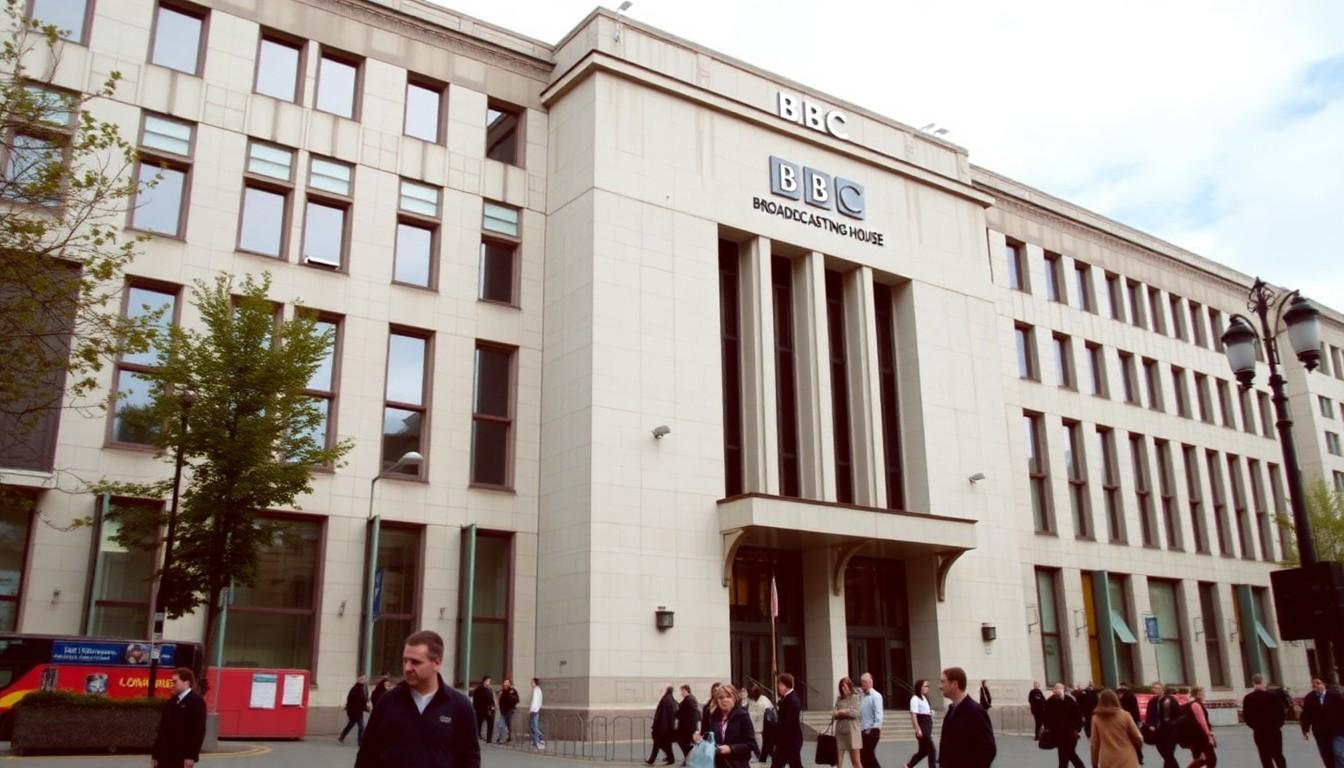
Shoppers of headlines noticed it first: an organiser for London Trans+ Pride says a planned BBC Radio interview was cancelled after they refused to call the march a “celebration” instead of a protest , a dispute that matters because language shapes whether marches are seen as joyful gatherings or urgent acts of resistance.
Essential Takeaways
- Organiser’s stance: EM Williams insisted the event be described as a protest, reflecting the theme “Pride is a protest.”
- Interview pulled: Williams says a BBC Radio interview was dropped after they pushed back on the wording; they even offered a pre-recorded segment.
- Coverage concerns: Williams criticised the BBC for biased treatment and for only mentioning London Trans+ Pride as a footnote in relation to opposing marches.
- BBC response: The broadcaster told Attitude it could not find a record of the specific incident and said coverage decisions are made nearer to each event.
- Broader context: London Trans+ Pride has grown into a major, sometimes contentious public demonstration, drawing tens of thousands in recent years.
Why wording still matters for Pride events
Words are tiny switches that change public perception, and this row shows how quickly a label can tilt a story. Williams wanted the march framed as protest because the group’s theme is explicitly political , “Pride is a protest” , and because the history and demands behind trans mobilisation are urgent and ongoing.
Media outlets routinely choose shorthand to fit schedules and editorial boxes, but those choices shape who’s heard and how. If a broadcaster paints a march only as a celebration, it risks flattening the grievances and safety concerns that brought people out onto the streets.
Practical tip: when you see coverage, note whether outlets foreground demands or anecdotes , that cue often tells you whether the outlet treated the event as political or apolitical.
What the organiser says happened
EM Williams says they were set up for a BBC Radio slot, pushed back when asked to call the event a “celebration,” and offered to record from their home studio. The interview, they say, was never aired.
They also criticised how London Trans+ Pride has only been mentioned as a side-note tied to opposing marches, rather than covered as a standalone event. That sense of being sidelined is one reason some community members say they’ve lost trust in mainstream outlets.
Reaction matters here: sources like Attitude relayed Williams’s account, and the organiser’s frustration reflects a wider feeling among trans and gender nonconforming people that their visibility is often conditional.
How broadcasters respond , or don’t
The BBC told Attitude it could not locate a record of the specific interview and stressed that coverage is determined closer to events, based on editorial priorities and resources. The corporation also pointed to previous coverage , images and radio bulletins , as evidence that London Trans+ Pride has appeared on its platforms.
This kind of institutional reply is familiar: broadcasters note process and resourcing while stopping short of addressing individual claims. That can leave campaigners feeling their concerns haven’t been engaged with in a meaningful way.
If you’re watching coverage, look beyond headlines. Check whether a report includes voices from organisers, details of the theme, and context about why people marched.
Bigger picture: Pride as protest, not just party
London Trans+ Pride is part of a broader trend in which LGBTQ+ events reclaim protest roots. Recent reporting shows huge turnouts for Pride-related marches, and organisers increasingly foreground rights, safety and policy demands alongside celebration.
This shift matters for audiences and editors. Treating a march purely as festival content erases ongoing political aims, whereas acknowledging protest frames the conversation around accountability and reform.
Practical insight: if you’re attending or reporting, ask what the theme is and why it matters. That single question often separates a feature from a newsworthy demand.
Trust and representation: where next for coverage?
Trust is fragile. Williams says some trans people no longer trust the BBC’s impartiality and have cancelled TV licences; whether that’s widespread is hard to quantify, but the sentiment points to a yearning for media that listens and reflects nuance.
Going forward, better practice would mean clearer pre-interview briefings, sensitivity to organisers’ framing, and fuller context in reporting. Journalists can acknowledge both the celebratory and protest elements without flattening either one.
And for readers: seek multiple sources, follow organisers’ own channels, and remember that how an event is described often tells you as much about the storyteller as it does about the story.
It's a small language shift that can change how marches are remembered , and what people feel empowered to demand next.
Source Reference Map
Story idea inspired by: [1]
Sources by paragraph: