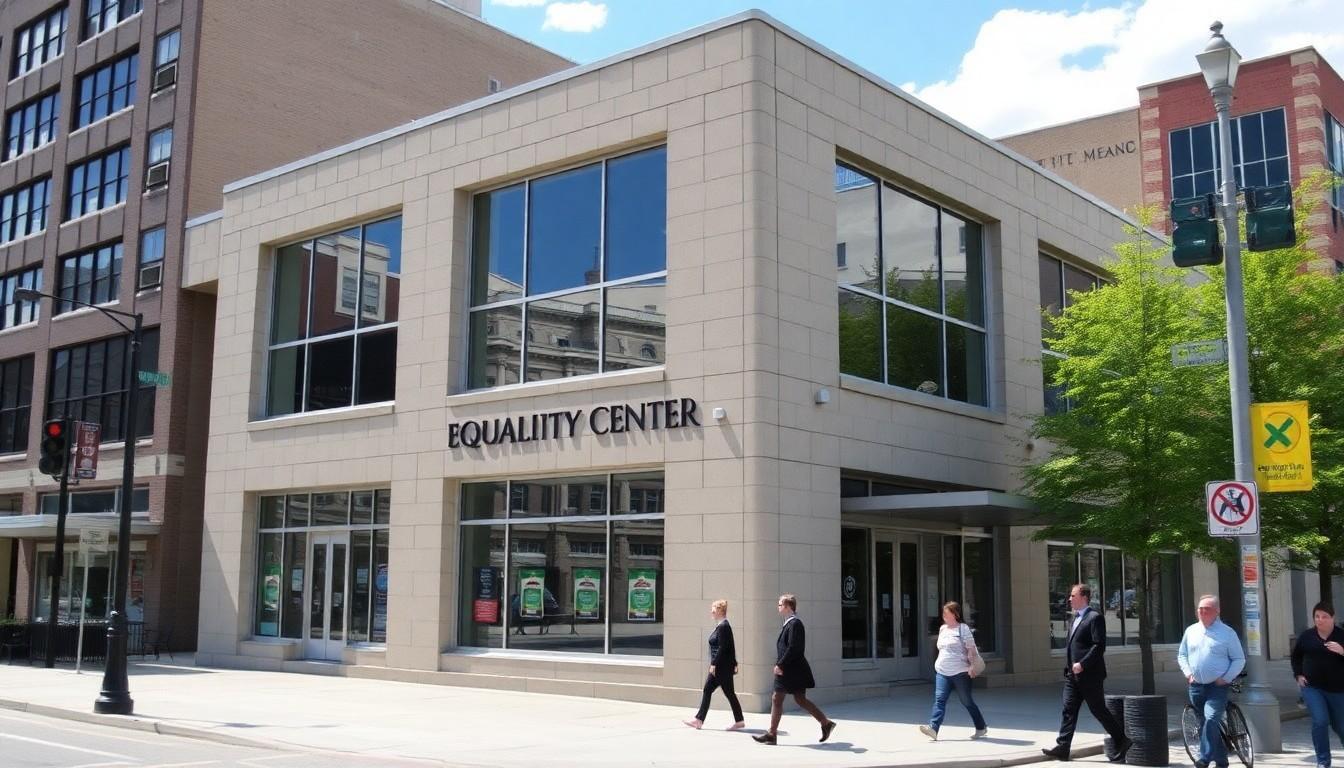
Discovering where you belong in Pittsburgh can be as small as a coffee run or as big as showing up at a town hall; locals are turning to community centres, indie bookstores, and neighbourhood hangouts to find connection, practical support, and joy. Here’s how to spot the friendliest spots and why they matter.
Essential Takeaways
- Community hubs matter: Local centres like the Pittsburgh Equality Center offer events, resources, and a welcoming vibe that help people plug into civic life and allyship.
- Bookshops as safe spaces: Romance- and queer-focused bookstores create gentle, low-pressure places to meet people and find stories that reflect your life.
- Everyday venues count: Pools, bars, cafés and hobby groups often become the most genuine community spots, they feel casual, familiar, and easy to return to.
- Actionable entry points: Start small, attend a book club, drop into a centre’s drop-in hours, or volunteer, these low-commitment moves build belonging.
- Look for welcome cues: Things like pronoun pins, visible resource flyers, or staff who remember names signal a place where you can relax and be yourself.
Start with the Pride of the City: the local equality centre
If you want a place that mixes practical help with warm faces, begin at the Pittsburgh Equality Center. The centre runs town halls, workshops, and civic outreach that make it easy to learn about local rights and get involved. According to organisers, events there fold in discussion about nondiscrimination protections and trans rights alongside ways to register and support candidates, so you leave feeling informed and useful. If politics feels daunting, go for a social programme or a skill-based workshop first, it's an easy way to meet people who are already doing the work.
Bookstores that double as community lounges
Pittsburgh’s romance- and queer-focused bookshops are doing more than selling paperbacks; they’re staging rooms for conversation. Shops like The Shelf Love Society specialise in LGBTQ+ romance and host book clubs, signings and relaxed meet-ups that make introductions feel natural. For many people, a bookstore is less charged than a bar, because browsing together gives you something to talk about. Try a book club night or a reading and treat it as low-pressure social practice, most times you’ll leave with a recommendation and a phone number.
Everyday places where belonging blooms
You don’t need an official label to find your people. Pool halls, cafés, hiking groups and local leagues often hold the kind of incidental, repeat encounters that become friendships. One local’s story about walking into a neighbourhood pool hall with painted nails and a rainbow lanyard shows how ordinary spaces can feel quietly affirming. Look for places where staff and regulars remember names, and don’t underestimate the power of showing up consistently: familiarity builds comfort.
How to know a space is genuinely inclusive
Visible cues can save you time and anxiety. Look for pronoun badges, inclusive signage, event listings that explicitly welcome queer people, and staff trained to handle discrimination. Community centres and established bookshops usually post resources and barriers-to-access information online, so check their sites before you go. If you’re nervous, bring a friend for the first time or email ahead; most venues are happy to tell you what to expect.
Getting involved without burning out
Want to help but worried about overcommitting? Volunteer shifts, short-term project teams, or tabling at a single event are great starter options. Community centres often list one-off opportunities and trainings that build skills without long-term strain. Joining a casual group, like a meet-up or book club, lets you contribute socially while keeping bandwidth for work and life. Remember: showing up regularly in small ways often matters more than grand gestures.
It's a small change that can make your week feel fuller and your city feel like home.
Source Reference Map
Story idea inspired by: [1]
Sources by paragraph: