Shoppers and sports fans are spotting a bold new conversation starter: Pride House Glasgow 2026 is rolling out a network of welcoming spaces and a striking "Zero Flags Commonwealth" installation to spotlight LGBTQ+ rights across the Commonwealth , and to remind visitors why inclusion still matters.
Essential Takeaways
- What it is: Pride House Glasgow 2026 is a distributed hospitality and advocacy programme across Merchant City, offering information, advice and one-to-one support for athletes and visitors.
- Zero Flags display: The installation shows flags from Commonwealth countries that still criminalise same-sex intimacy, each marked with a black mourning ribbon , a visual prompt about ongoing injustice.
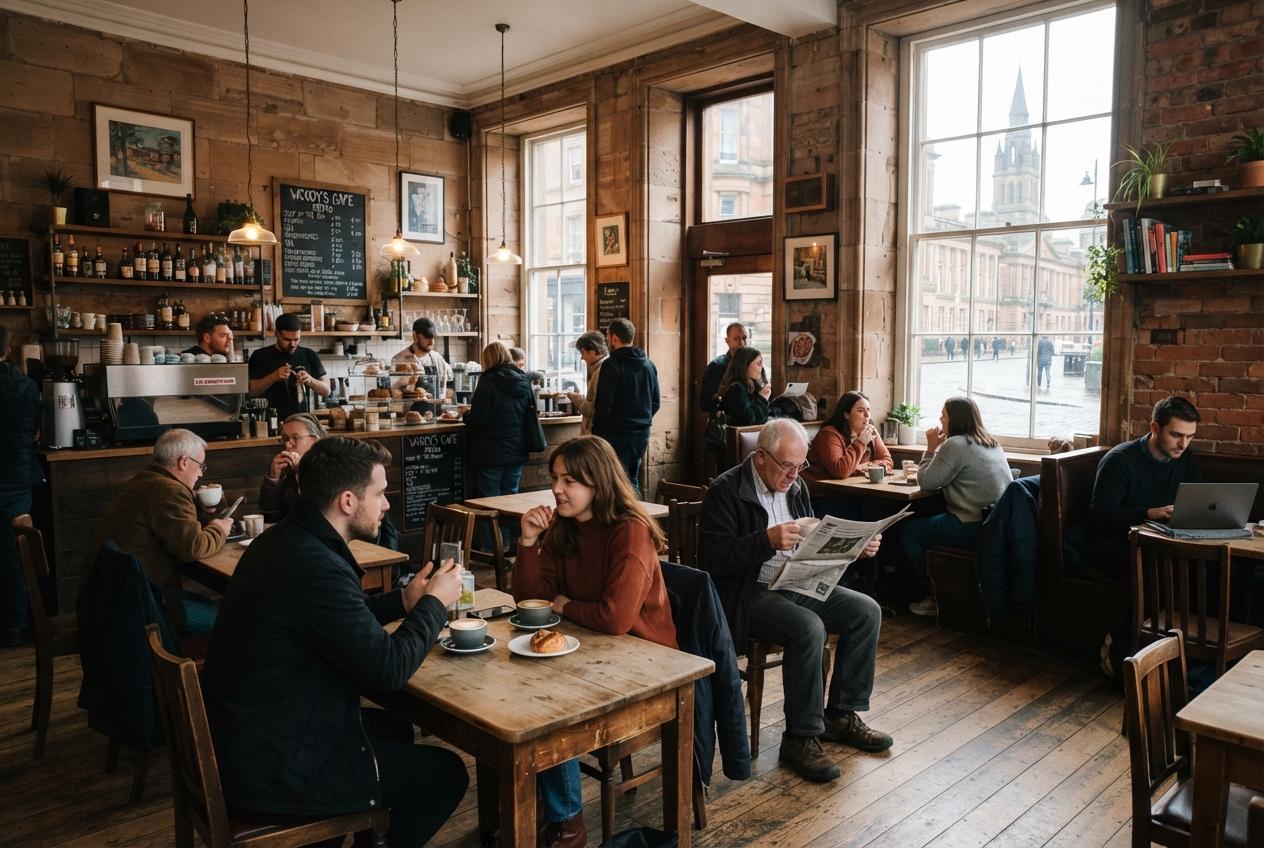
- Local venues: Instead of one central hub, the initiative uses spots such as Woody’s Pride House Lounge, Bigglestones Books reading room and The Boardwalk events space , each with a different vibe.
- Why it matters: Around half of the Commonwealth’s 56 members continue to penalise same-sex relationships, many under laws dating back to British colonial rule.
- Atmosphere: Organisers promise a welcoming, vibrant programme of events and practical support, led in part by Glasgow 2026 figures who stress belonging and safety.
Why a network of Pride House venues feels smarter than a single location
Putting Pride House across Merchant City gives the programme a local, lived-in feel , imagine a quiet reading room next to a buzzy lounge, and a separate events space for performances and panels. Organisers told the press they wanted to offer both practical help for athletes and a celebratory, friendly meeting place for fans and allies. This approach spreads visibility through the city and makes pop-up moments more likely, which fits how people actually move during Games fortnight. If you’re planning to visit, check each venue’s schedule: some will be for drop-in support, others for talks or social meet-ups.
The Zero Flags Commonwealth exhibit: a simple concept with a heavy message
The display pairs national flags with black mourning ribbons to mark countries where same-sex intimacy remains illegal, and the effect is quietly powerful. It’s a visual tactic designed to spark conversation without lecturing: people see familiar colours and realise there’s a human story behind each one. Organisers note that many of the offending laws trace back to colonial-era statutes, a historical point that reframes today’s debate and shows why change can be complex. For visitors, the exhibit offers a way to understand sport’s global reach , and why hosting international events can be a moment to highlight rights and reform.
Who’s behind it and what they say
Glasgow 2026’s leadership has publicly backed Pride House, emphasising safety and welcome; senior figures have said plainly, “you are welcome here” and “you belong here.” That tone matters: when a Games organiser speaks from lived experience and leadership, it signals the event isn’t just paying lip service to inclusion. Funding and official support have been announced through Commonwealth Sport and the Glasgow 2026 programme, which helps the initiative feel embedded rather than ad hoc. Expect the messaging to blend celebration with education , parties and panels, side by side.
Practical tips for athletes, visitors and supporters
If you’re an athlete or part of a team, Pride House is worth a visit for discreet one-to-one support and information, particularly around welfare and inclusion. Fans should use the distributed model to their advantage: pop into the reading room for quieter reflection, then hit the lounge for social events and the Boardwalk for bigger gatherings. Take photos responsibly around the Zero Flags exhibit , it’s powerful, but it’s meant to invite conversation rather than spectacle. Volunteers are being recruited to staff venues, so if you want a hands-on way to help, look up official volunteer pages linked to Pride House.
What this could change after the Games
Exhibitions like Zero Flags can nudge public debate by making abstract statistics tangible and emotional. Organisers hope the visibility will spur conversations about legal reform across the Commonwealth and keep pressure on governments long after medals are packed away. Whether that leads to policy shifts will depend on local movements, diplomatic pressure and sustained attention from media and civil society. Still, for many visitors the immediate result will be feeling seen and welcomed , and that matters in sport and beyond.
It's a small change that can make every visit and every conversation count.
Source Reference Map
Story idea inspired by: [1]
Sources by paragraph: