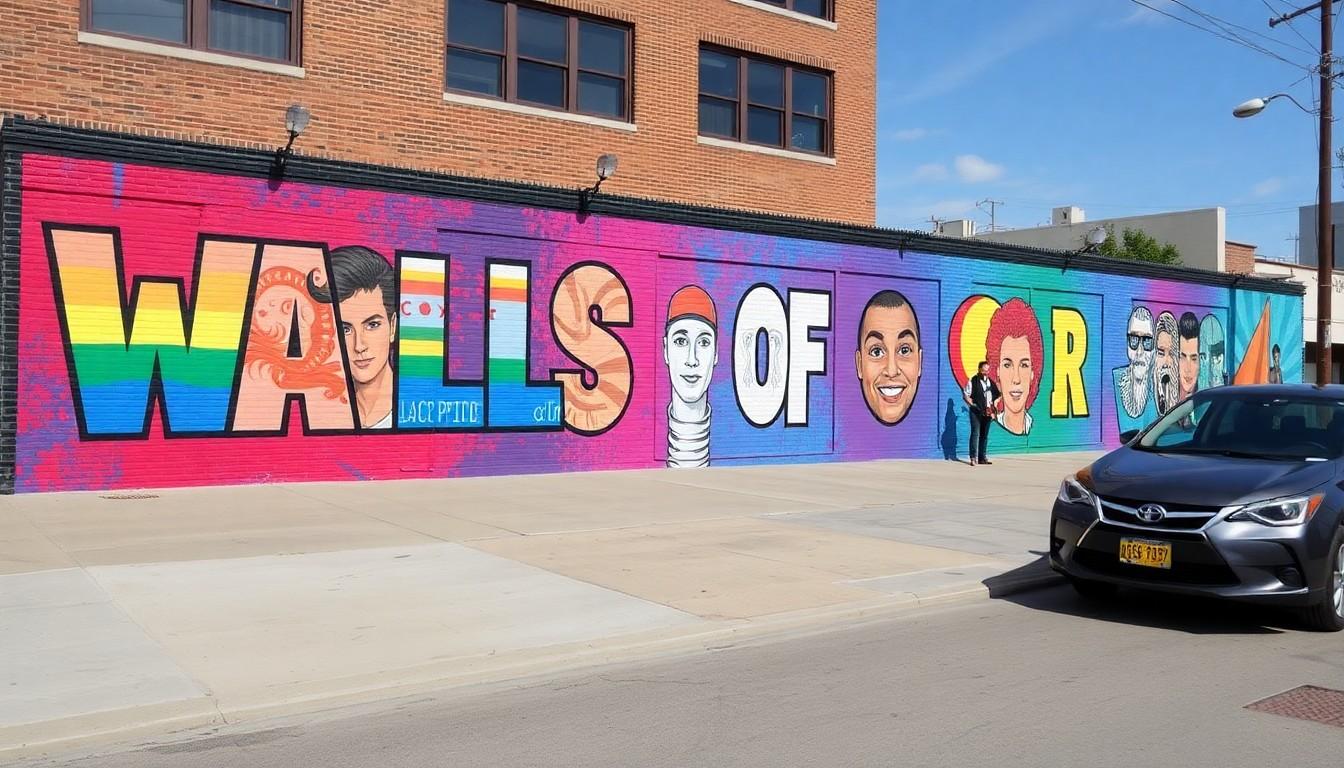
Shoppers and visitors will soon see brighter, bolder Cedar Springs: Arttitude and the Cedar Springs Merchants Association have launched Walls of Pride, a two‑year public art campaign commissioning seven murals to celebrate Dallas’s LGBTQ+ legacy and keep local stories visible for years to come.
Essential Takeaways
- Seven new murals: A two‑year programme will install seven public artworks along Cedar Springs Road, each reflecting queer history and community spirit.
- Community-led: The initiative is a partnership between Arttitude and the Cedar Springs Merchants Association, aimed at cultural preservation and activation.
- Artist support: Local and regional artists will be commissioned, offering paid opportunities and visibility in a historic queer neighbourhood.
- Visible resilience: Murals are intended to replace lost symbols and amplify Pride narratives after recent changes to the streetscape.
- Lasting impact: The works will create destinations for residents and visitors, helping to cement Cedar Springs’ role in Dallas LGBTQ+ culture.
A bold return to colour on Cedar Springs
Walls of Pride kicks off at a time when the neighbourhood’s visual landscape has felt fragile, so the emotional hit will be immediate: vision, history and memory splashed across brick and stucco. Residents have watched public symbols come and go, and these murals promise something more durable , colourful, tactile statements that invite a second look and a photo. According to local coverage, this campaign responds directly to a need for visible queer storytelling in the area.
Why the partnership matters
Arttitude brings curatorial experience and a focus on community arts, while the Cedar Springs Merchants Association supplies local knowledge and street‑level buy‑in. That combination is practical: artists get sites and funding, businesses get footfall and fresh façades, and the neighbourhood regains curated, relevant public art. Industry observers say community partnerships are the most sustainable way to commission murals that actually reflect local history, not outside trends.
Murals as cultural preservation
These artworks aren’t just pretty backdrops , they’re intentional records. The initiative aims to preserve stories that shaped Dallas LGBTQ+ history, from trailblazers to everyday organisers, and to anchor those stories in place. After recent removals of rainbow crosswalks and other symbols, the campaign reads like a civic answer: if paint and pavement can go, so can institutional memory , unless the community actively protects it.
What this means for visitors and residents
Expect a mix of styles and voices, from figurative portraits to abstract celebrations of resilience. For visitors, the murals will create new walking routes, photo spots and entry points into local bars, cafés and shops. For residents, they offer reassurance: public art that honours lived experience and provides a common reference. If you’re planning to view the murals, bring walking shoes and a camera, and allow time to read plaques or QR codes that may explain each work.
How to pick your favourite mural (and why it matters)
Look for emotional clarity first , does the piece make you feel seen or invite curiosity? Then consider craft: a sturdy, weather‑resistant mural with good contrast will age better. If you’re an artist or commissioner, think about scale and placement; corners and alleys can become intimate moments, while big façades make civic statements. Ultimately, murals are civic conversation starters , they should be legible from the pavement and generous to passers‑by.
It's a small, public move that promises to make Cedar Springs feel more like home to the people whose history it celebrates.
Source Reference Map
Story idea inspired by: [1]
Sources by paragraph: