Shoppers and travellers are rethinking how to plan LGBTQ+ trips after a high‑profile cruise was turned away from Turkish and Egyptian ports; industry leaders say operators should build these risks into ordinary itinerary planning, not treat them as rare emergencies.
Essential Takeaways
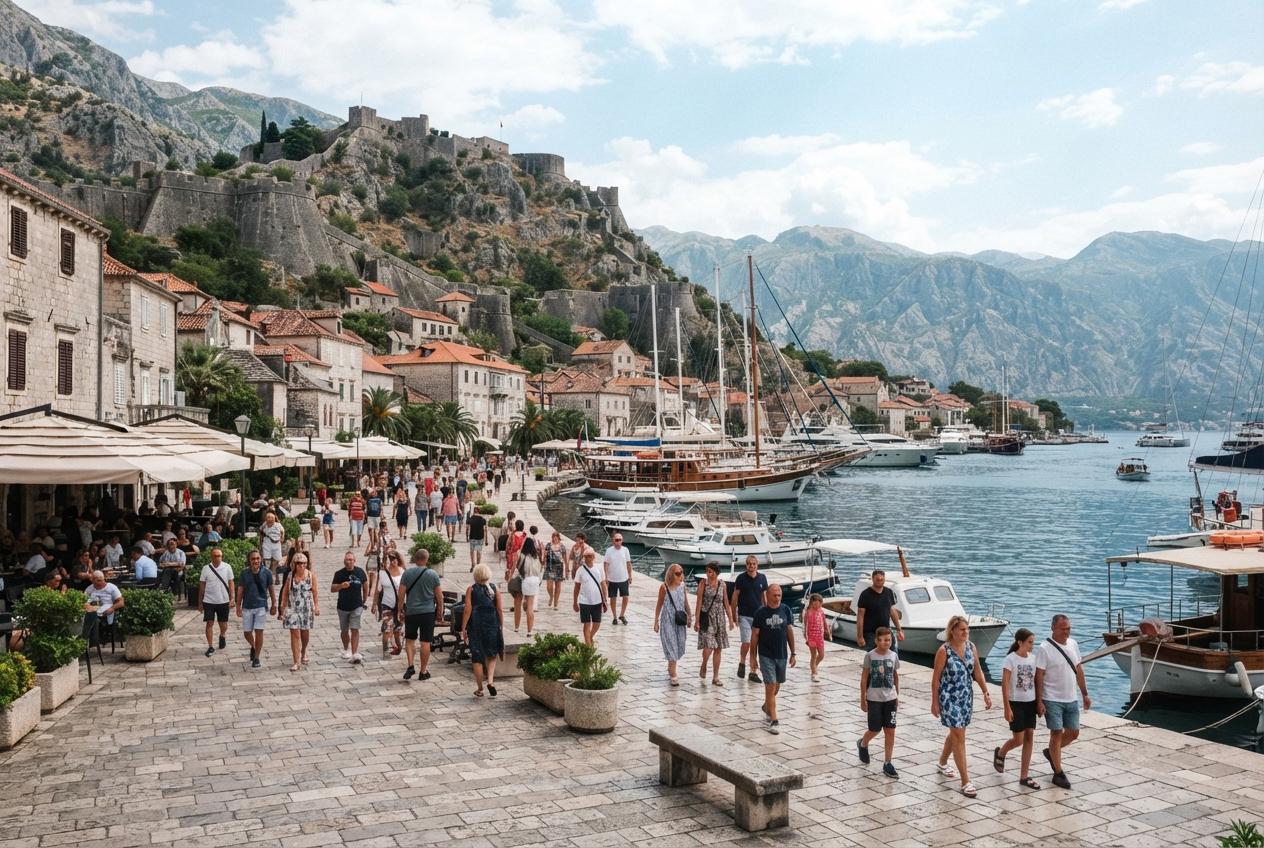
- Incident: A Virgin Voyages ship chartered by Atlantis Events carrying about 1,900 guests was denied calls in Kuşadası, Turkey, and later Alexandria, Egypt, and diverted to Kotor, Montenegro.
- Why it mattered: Officials in Turkey cited moral concerns; Egypt gave no public reason, leaving operators and passengers scrambling.
- Industry advice: Meg Ten Eyck of IGLTA urges routine contingency planning for LGBTQ+ travellers and use of trusted local partners.
- Practical result: Build alternative ports, shore‑based options and clear communications into itineraries; expect small, sudden local actions to affect plans.
- Passenger cue: Keep travel documents, medical needs and flexible bookings handy, and know who on board is your point of contact.
What happened at sea , a quick, human snapshot
The Scarlet Lady’s passengers woke to a very different port call than they’d expected, with holiday plans rerouted and disappointment in the air. According to reporting, Turkish authorities cancelled the Kuşadası stop citing concerns about the ship’s passenger profile, and Egypt later barred the same cruise from Alexandria after initially approving the call. For guests it was more than logistics , it felt personal, awkward and, for some, unsettling.
Cruise operators say they’ve called at these ports before without issue, and Virgin Voyages pointed out a similar itinerary sailed successfully last year. But the scale of the refusal , almost 2,000 people onboard , has put a spotlight on how sudden policy or social shifts can play out on the travel stage.
Why industry leaders want contingency planning to be normal practice
Meg Ten Eyck, chair of the International LGBTQ+ Travel Association, told Travel News that this episode is a “reality check” and argues you shouldn’t tuck such risks into a worst‑case drawer. Instead, she says operators ought to map out “what‑ifs” as part of standard trip prep , protests, rapid policy changes, local sensitivities , so teams move from fear to readiness.
That’s practical, not paranoid. When you accept that a port call could be altered for social or political reasons, you free up teams to design flexible routes, secure backup shore options and brief crew and passengers more clearly. It’s about turning an emotional surprise into a handled situation.
How to build travel plans that actually cope with risk
Start with the basics: slot alternative ports into itineraries where possible and sign provisional agreements with local suppliers who can step in at short notice. IGLTA recommends working with partners who have a track record of respectful service rather than ones chosen only for photos or price.
For passengers, practical steps pay off. Choose refundable or changeable flights and transfers where you can, pack any essential medication and documentation in carry‑on, and note the ship’s guest relations and emergency contact channels. Operators should also prepare accessible communication templates so passengers get calm, clear updates rather than speculation.
The wider trend , what this says about travel and politics
Reports in international outlets show this incident wasn’t an isolated blip; commentators are seeing a flaring of localised actions that affect queer travellers. Reuters, The Guardian and others have noted similar incidents and growing debate about safety and access in various regions.
That reality is reshaping expectations. Some regions remain reliably welcoming, while others swing with political tides. For travel brands, this means reputation management is tied to preparedness , and for travellers, a sharper appraisal of where and when to visit.
What operators and passengers should do next
Operators should normalise scenario rehearsals: legal checks, diplomatic contacts, alternative boat logistics and guest care protocols. Passengers should ask questions before booking , what’s the backup plan, who handles refunds, and how will the company ensure safety and dignity if plans change?
And if you’re planning a group trip, build in a little extra breathing room. A day or two of flexibility can turn a cancelled port into a pleasant surprise elsewhere, and the small cost of adaptability beats the anxiety of an abrupt denial.
It's a small change that can make every trip smoother and every passenger feel more secure.
Source Reference Map
Story idea inspired by: [1]
Sources by paragraph: