Watching Kevin Aviance carry on feels like witnessing a living thread of queer nightlife , the towering performer who survived a brutal 2006 attack is back on the decks and the stage, reminding New Yorkers and Pride crowds why clubs are more than parties and why community still needs physical rooms to breathe.
Essential Takeaways
- Iconic presence: Kevin Aviance rose from ballroom and circuit-party culture to international dance floors, known for towering heels, sculptural looks, and underground hits.
- Survived violence: He was brutally attacked in Manhattan in June 2006; four people pleaded guilty and the assault became a public touchstone about anti-LGBTQ+ violence.
- Cultural recognition: Beyoncé’s Renaissance brought his vocals and ballroom legacy to new listeners, leading to renewed touring and recording.
- Community lifeline: Aviance argues dance floors are civic infrastructure for queer life , places to grieve, gather, and resist together.
- Practical call: He urges people to reconnect in person , go out, support performers, and look out for one another.
How Kevin Aviance became a night‑time legend
Aviance’s silhouette , shaved head, exaggerated costume, sky-high heels , is almost shorthand for a certain era of queer nightlife, and it carries a tactile, club-floor energy. He cut his teeth in Washington, D.C.’s Tracks and the House of Aviance, then moved through Miami into New York, where marquee moments like Madonna’s “Secret” video and club anthems such as “Din Da Da” cemented his status. According to longstanding coverage, those rooms were where reputations were made, not algorithm feeds, and Aviance learned how to command people who’d left their flats just to see him perform. For anyone wondering what a performer of that generation sounded like in their prime, his records still carry that late‑night, sweaty rush.
The attack that changed everything , and what came after
Early on 10 June 2006, Aviance left a bar in the East Village and was followed, harassed, and seriously beaten; his jaw was broken and the assault was prosecuted. Police and later reporting noted four arrests and guilty pleas in the case, and the incident became bigger than a single crime , it was a symbol of anti‑LGBTQ+ danger felt across the city. Aviance’s recovery involved physical surgery, a stint in rehab, and time away from New York as he rebuilt. He turned the experience into advocacy as well as art, appearing publicly with his jaw wired shut and later working with organisations concerned about violence against queer people.
Why Beyoncé’s nod mattered , beyond celebrity cachet
When Beyoncé sampled Aviance and named ballroom houses on Renaissance, it translated decades of club knowledge into a global pop moment. For Aviance, the recognition felt like a validation of music that had lived in basements and ballrooms long before it reached stadiums. That spotlight brought him new bookings, a CVNTY Ball tour that connected with Beyoncé’s schedule, and fresh releases. It’s a reminder that mainstream success often borrows from queer, Black, and ballroom cultures that have been shaping dance music for years.
Dance floors as infrastructure: community, care and resistance
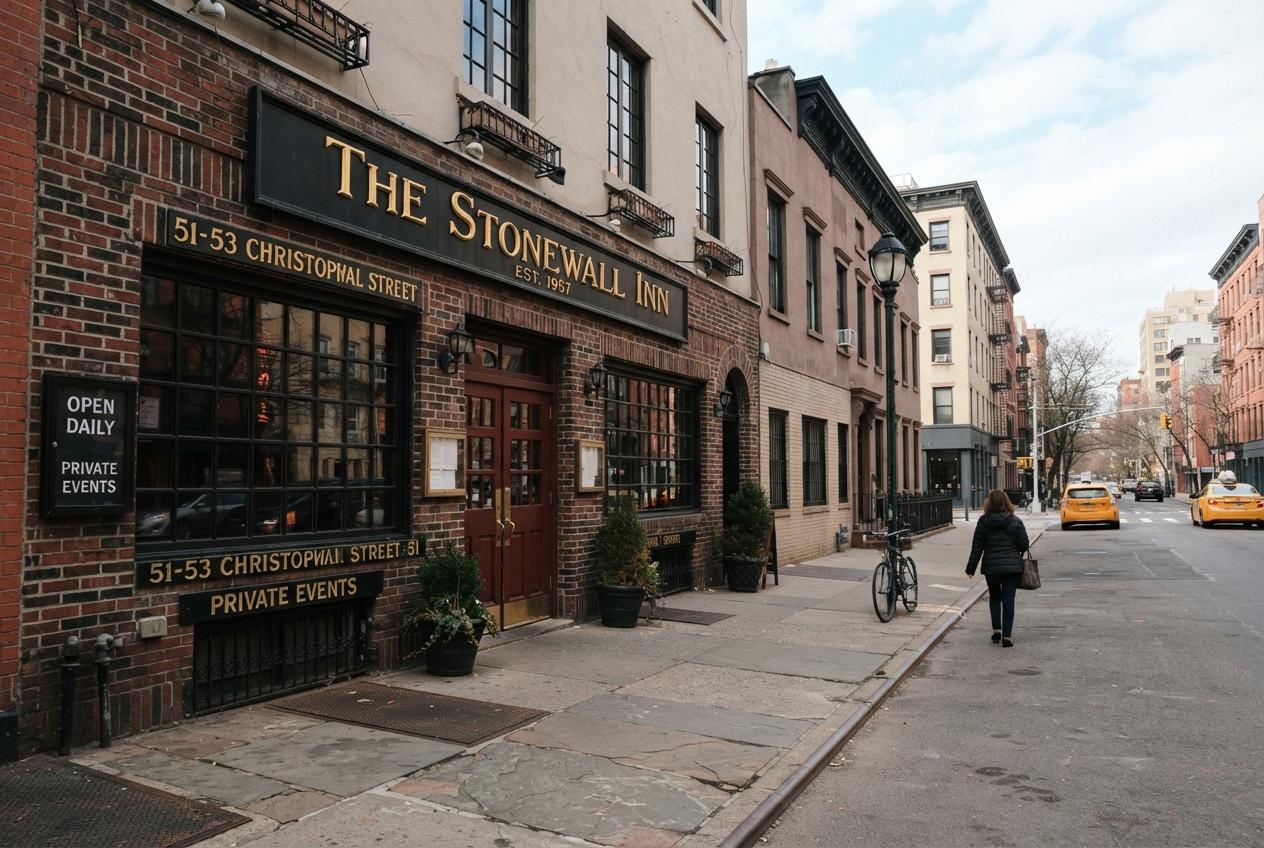
Aviance frames clubs not just as fun spaces but as civic infrastructure , places where people traded information, fund‑raised during the AIDS crisis, and formed chosen families when institutions turned away. That sense of purpose still matters today, particularly as drag and trans people face renewed political attacks. He tells audiences to go out, make lists of new tracks, and support the people who make nights possible. Practically, that looks like turning up to shows, tipping performers, and checking in with friends , small acts that stitch a safety net.
What his return means now , advice for audiences and allies
Twenty years on, trauma isn’t erased but it becomes part of a larger story, Aviance says. His return , records, tours, DJ sets , is both personal comeback and communal rallying cry. If you want to support scenes like his, show up consistently rather than only for viral moments, learn the history behind the moves and songs you love, and look out for the most vulnerable performers, especially Black trans women. Allies can do practical things too: speak up when spaces are policed, donate to emergency funds, and amplify voices rather than taking credit for culture.
It's a small change that can help keep every dance floor safer and more alive.
Source Reference Map
Story idea inspired by: [1]
Sources by paragraph: