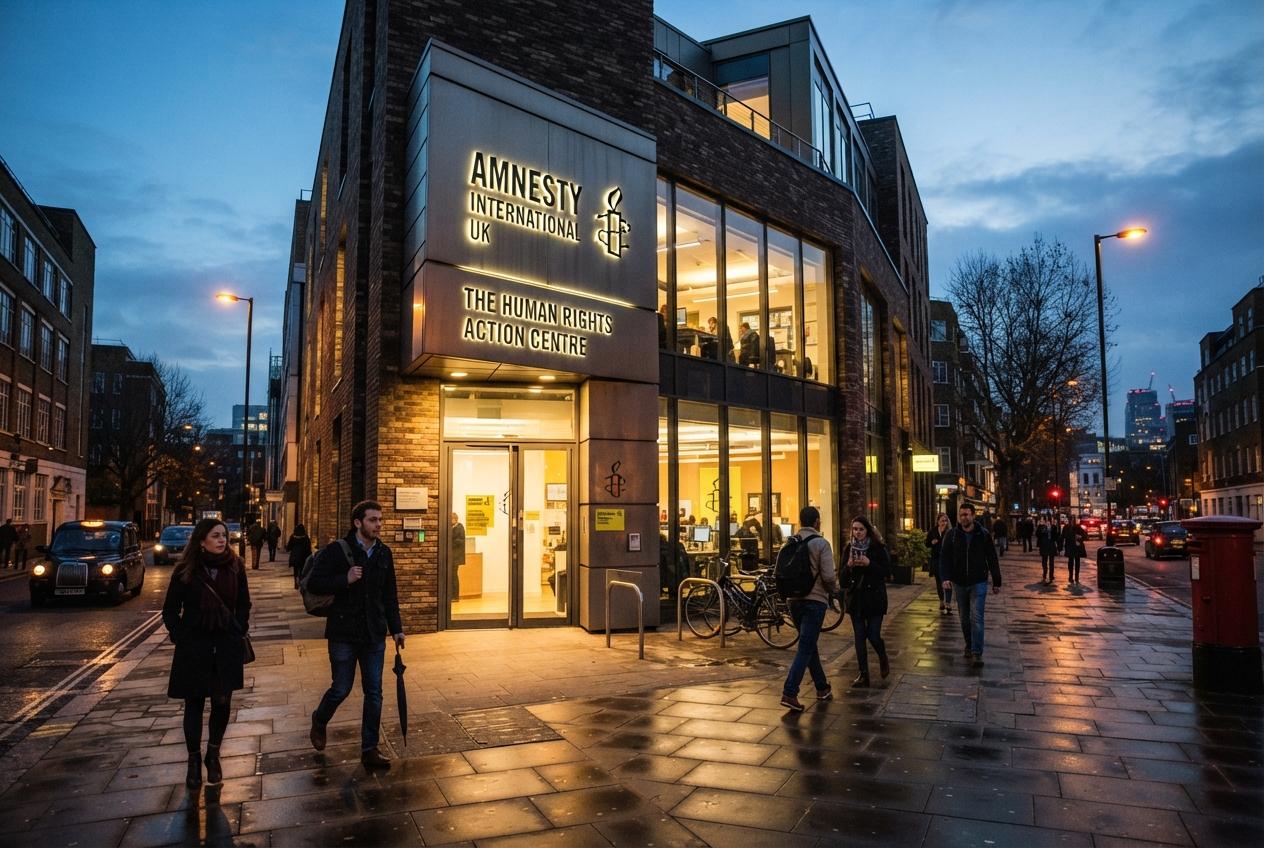
Notice the tug-of-war over rights and language as Amnesty International briefly published , then withdrew , a report naming dozens of British faith and pro‑life groups as an “anti‑rights movement”; the episode has put the Catholic Church, charities and women‑only services in the spotlight and reignited debate about sex, gender and safeguarding.
Essential Takeaways
- Report publication and withdrawal: Amnesty UK published a list of 117 organisations on 8 July then removed it within hours, saying the draft bypassed internal review.
- Who was named: The list included Catholic bishops’ bodies, faith charities, crisis‑pregnancy centres and Beira’s Place, J.K. Rowling’s women‑only support service.
- Alleged funding figures: Amnesty’s draft said these groups spent roughly £144 million between 2019–2024, a 47% rise.
- Critics’ gripe: Observers noted the absence of Islamic groups from the list and warned the report flattened complex positions into a binary.
- Practical effect: The controversy has forced charities and churches to restate their missions and prompted calls for clearer, fairer human‑rights analysis.
What actually happened , a report that didn’t last the day
Amnesty UK posted a document on 8 July cataloguing what it called a growing “anti‑human‑rights movement,” then pulled it within hours, saying the piece had not gone through its usual checks. The immediate sensation came not just from the content but the speed of the reversal , a faint, uneasy smell of haste and sloppy editorial controls. Organisations named on the list demanded explanations, and a media firestorm followed.
The episode shows how a single, poorly vetted output can damage reputations and distract from substantive human‑rights work. According to coverage of the withdrawal, Amnesty acknowledged errors and promised a review; critics say that doesn’t undo the reputational hit.
Why faith groups and women’s services were so sensitive
Several Catholic bodies and women‑only services such as Beira’s Place were included, which struck many as an odd fit for the term “anti‑rights.” Catholic leaders pointed out their long history of campaigning for refugees, trafficking victims and religious freedom, and said portraying pastoral care as hostile was misleading. The emotional stakes were high: these groups felt publicly miscast while doing front‑line support work that often feels quietly, physically taxing.
For survivors’ services that rely on sex‑based protections under the Equality Act 2010, inclusion on the list felt especially unfair. The centre’s founder, J.K. Rowling, publicly denounced the implication that sex‑based services are inherently harmful to rights , a flashpoint that drew even more attention to the withdrawal.
The wider pattern: selective listing and the politics of naming
Commentators noticed an inconsistency: the Amnesty draft named a swathe of Christian organisations but excluded Islamic groups whose teachings on gender and sexuality differ markedly from LGBT+ activism. Observers called the selection “selective” and “imbalanced,” arguing that naming and shaming without clear criteria risks politicising human‑rights work.
This matters because naming is power. Lists can turn debate into a morality play where nuance gets flattened. The controversy has prompted questions about how human‑rights NGOs compile evidence and whether advocacy can stay credible while taking sharply contested positions.
What this means for campaigning and law in the UK
The row lands amid ongoing UK legal battles over the definition of “woman” and access to single‑sex spaces , issues that have already reached the Supreme Court. Amnesty framed some legal victories as part of a worrying rollback, while critics saw Amnesty’s move as evidence of an ideological drift. Either way, the episode underlines that public policy, law and charity work are now inseparable from culture‑war headlines.
Practical advice for charities: be clear about your safeguarding and non‑discrimination policies, keep detailed records of services and funding, and be ready to explain how your work fits the Equality Act , clarity helps defuse charge‑and‑countercharge moments.
Lessons for human‑rights organisations and the public
This affair is a reminder that precision and procedural rigour matter as much as passion. Amnesty has said it will review the draft and its processes; for many, that should include transparent methodology and clearer definitions of terms like “anti‑rights.” For the public, the episode is a prompt to interrogate lists and headlines, ask how claims were sourced, and judge organisations by their practices as well as their rhetoric.
The wider point is human and simple: when rights appear to conflict, smearing or oversimplifying opponents doesn’t solve tensions , careful argument and clear evidence do.
It's a small but important episode that will shape how charities, churches and campaigners talk about sex, gender and rights for some time.
Source Reference Map
Story idea inspired by: [1]
Sources by paragraph: