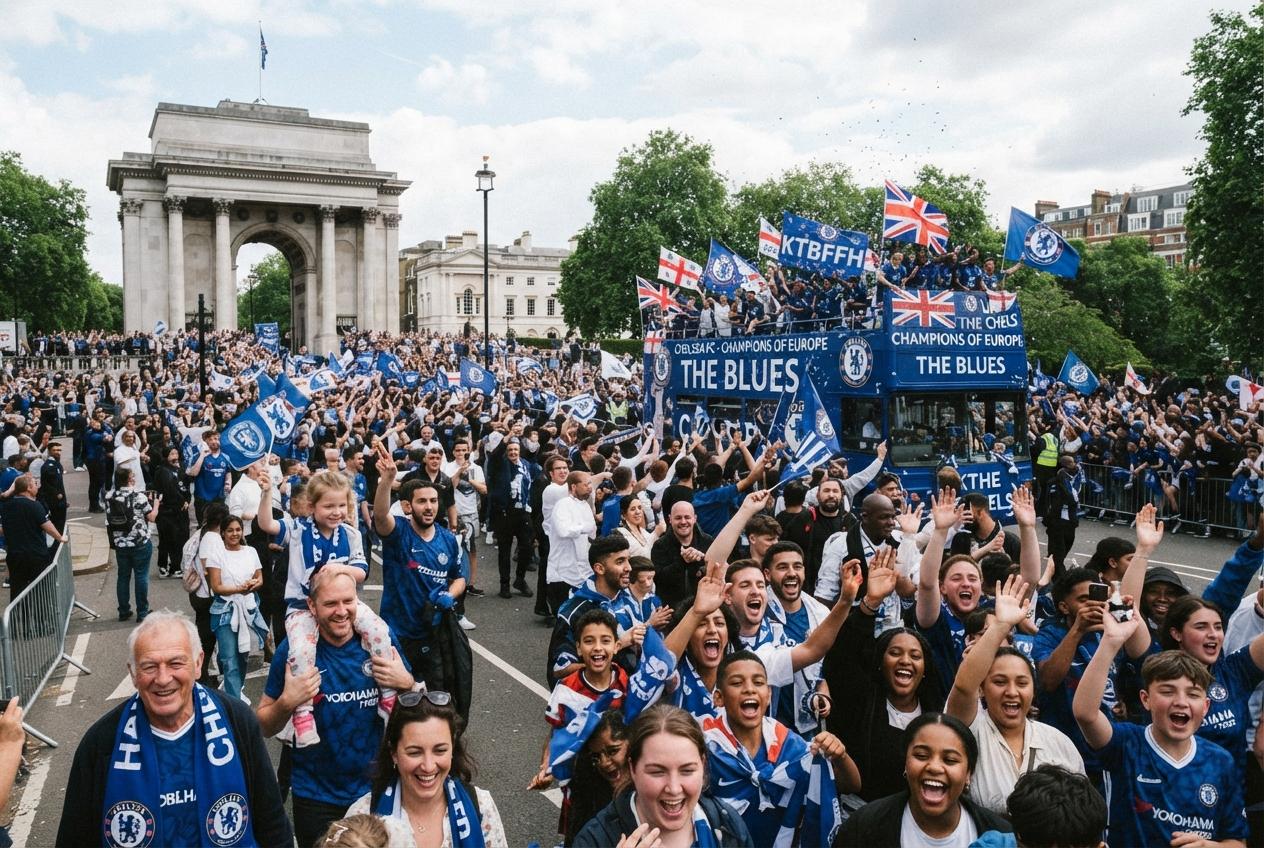
Celebrate the parade spirit: Chelsea staff, supporters and Chelsea Pride joined Pride in London, marching from Hyde Park Corner to Whitehall to showcase visibility, belonging and the club’s year-round inclusion work. It mattered to fans, players and future generations , and the float looked joyful, proud and unmistakably blue.
Essential Takeaways
- Big turnout: Around 70 Chelsea staff, Foundation members and supporters joined the club’s dedicated Pride float, creating a lively, colourful presence.
- Visible faces: The group included Chelsea Pride founders, drag performer Paige Three, reporter Snake Denton and mascots Stamford and Bridget , a mix that felt playful and sincere.
- Long-term plan: Chelsea framed the parade as part of its Proud Everyday inclusion strategy, not a one-off gesture tied only to Pride month.
- Anniversary moment: Chelsea Pride will mark its tenth anniversary later this year, highlighting sustained grassroots work with the club.
- Matchday aim: Club leaders say the next test is turning parade visibility into a consistent sense of belonging at Stamford Bridge on matchdays.
A bold march through London that felt joyful and human
Chelsea’s float moved from Hyde Park Corner through Piccadilly Circus and Trafalgar Square to Whitehall, and you could tell people noticed , the colours, the mascots and a real sense of celebration. According to Chelsea’s own coverage, the club captured the day in official footage that underlines how seriously it’s taking public visibility. Fans on the route cheered, and the mix of staff, Foundation reps and supporters made the presence feel authentic rather than token.
Why this parade matters: visibility meets commitment
This wasn’t simply about being seen for a few hours. Chelsea has tied its Pride appearances into a broader Proud Everyday inclusion strategy, signalling that support should stretch across the season. Chelsea Pride’s founder Tracy Brown has praised the long-standing partnership with the club, and the group’s tenth anniversary later this year underlines that this is sustained work. Visibility in the street only counts if it’s matched by change behind the scenes, and club statements make that clear.
People on the float gave the event personality
The presence of figures like drag performer Paige Three, reporter Snake Denton and club mascots Stamford and Bridget gave the float warmth and a bit of cheeky fun. Chelsea Pride chair Tracy Brown highlighted that the parade offered supporters a chance to celebrate authenticity, while a Fan Advisory Board member pointed out how important visible allyship still is in football. Those personal touches help shift the narrative from corporate PR to something fans can relate to.
From Pride collection to matchday culture: practical next steps
Chelsea has already worked with supporters to launch a 2026 Pride collection, a tangible expression of its commitment to LGBTQIA+ visibility. But the club and supporter groups agree the harder task is ensuring every person feels welcome on matchdays. Practical moves include steward training, clearer anti-discrimination policies and more visible supporter-led spaces at the ground. If the club follows through, this parade will look like the start of meaningful progress rather than just a great photo op.
What this means for other clubs and fans
Chelsea’s public show of support adds to a growing trend among Premier League clubs to be more openly inclusive at Pride events. Tottenham and others have also been visible at London Pride, showing how football is slowly normalising support for LGBTQIA+ fans. For supporters, the takeaway is simple: visibility on the streets needs to become climate on matchdays. For clubs, that means turning one-day spectacle into 365-day actions.
It's a small change that can make every matchday feel more welcoming.
Source Reference Map
Story idea inspired by: [1]
Sources by paragraph: