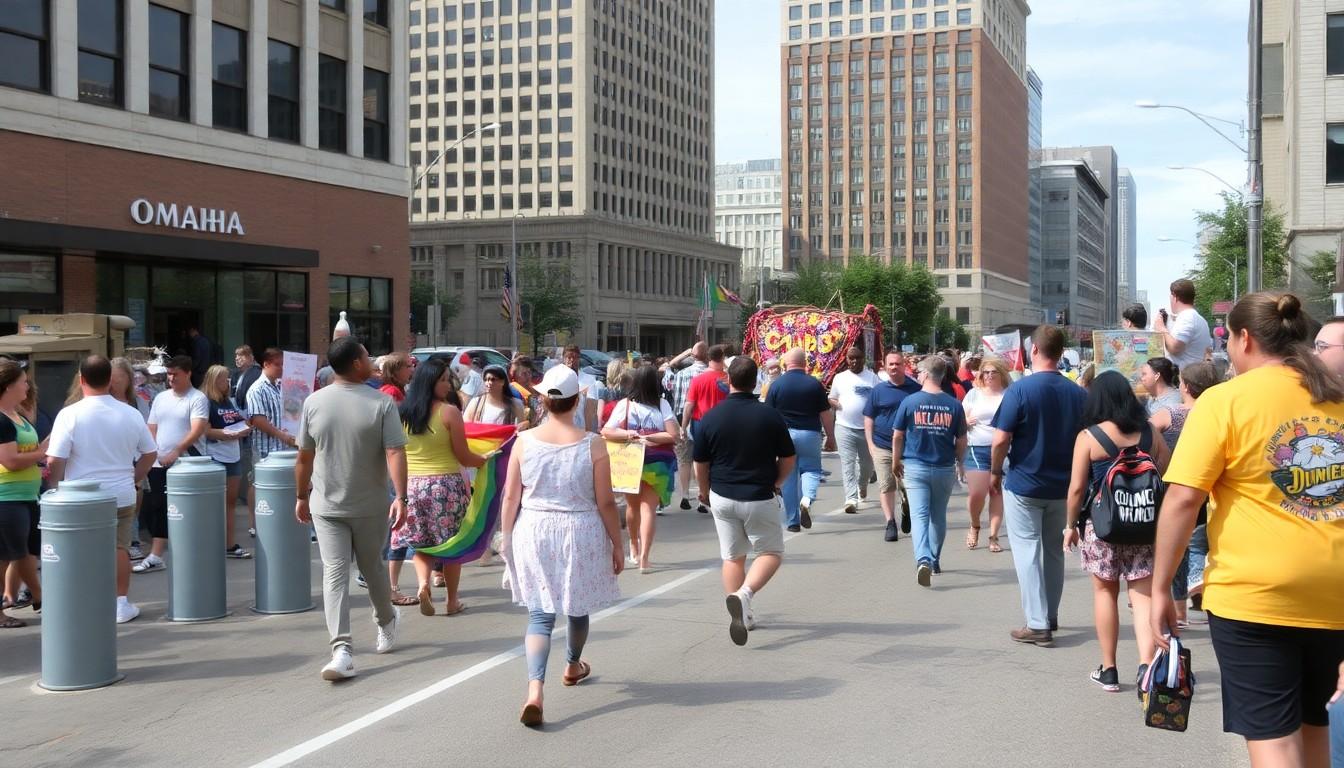
Braving the heat, Omaha residents and visitors turned out in force for the Heartland Pride Parade, a colourful, defiant celebration that mixed joy with a clear message: visibility matters amid national debates over LGBTQ+ rights. The parade routed through downtown with water stations, earlier start times, and a palpable sense of togetherness.
Essential Takeaways
- Strong turnout: Hundreds marched or watched despite sweltering temperatures, showing community resilience.
- Theme explained: "Pride in Protest" reflected reaction to national anti-LGBTQ+ rhetoric and policy debates.
- Route changes: Ongoing downtown streetcar construction forced organisers to adapt the parade course.
- Heat mitigations: Organisers moved the start time earlier, supplied bottled water at corners and used MUD’s water truck.
- Simple motivation: Many attendees said they came to be seen, feel safe and celebrate with others.
A blazing day, but spirits stayed cool
Omaha’s Pride felt hot in the literal sense , temperatures pushed people early onto the route , yet the mood was cool and determined. Parade-goers wore bright colours and waved flags under a sun that could have kept anyone home, but it mostly made the rainbow banners pop that much more. Organisers and volunteers hustled to keep everyone hydrated and moving, which helped the day stay celebratory rather than stressful.
Why “Pride in Protest” , a local answer to national noise
The parade’s theme, Pride in Protest, wasn’t chosen for drama alone. Organisers said it responds to growing national conversations and policies targeting LGBTQ+ people. As Amy Ferris, the event chair, put it, the aim was to push back against fearmongering and show that ordinary people just want to live their lives. That mix of celebration and civic statement is part of a wider trend where Pride events also function as community advocacy.
Streetcar works forced a rethink , and organisers delivered
Like lots of downtown events this year, construction interfered with the usual parade path. The detours meant last-minute logistics: new staging spots, altered spectator areas and extra marshals. But the team adapted, and attendees didn’t seem to mind. If anything, the workaround underscored how local groups and city services can cooperate when plans change , a reminder that a parade’s atmosphere is shaped more by people than by precise routes.
Practical planning: how organisers handled the heat
Organisers moved the start time earlier in the day, positioned bottled water on nearly every corner and even secured a utility water truck to top up stations. Those small, practical moves made a big difference for families, seniors and anyone in costume. If you’re heading to summer outdoor events, a hat, suncream and a refillable bottle are sensible basics, but the parade showed that good planning on the organiser’s side makes participation accessible for more people.
Why people showed up , simple, human answers
Many attendees gave plain answers: to be seen, to feel comforted and to celebrate identity with others. That personal, emotional pull drove turnout more than any slogan. For people who feel marginalised, a parade like this is a public place to belong; for allies it’s an opportunity to demonstrate support. The result was a civic show of solidarity that felt both joyful and necessary.
It's a small change , an earlier start, a few extra water stations , that can help make Pride both safer and more inclusive, and it’s clear Omaha’s community will keep showing up.
Source Reference Map
Story idea inspired by: [1]
Sources by paragraph: