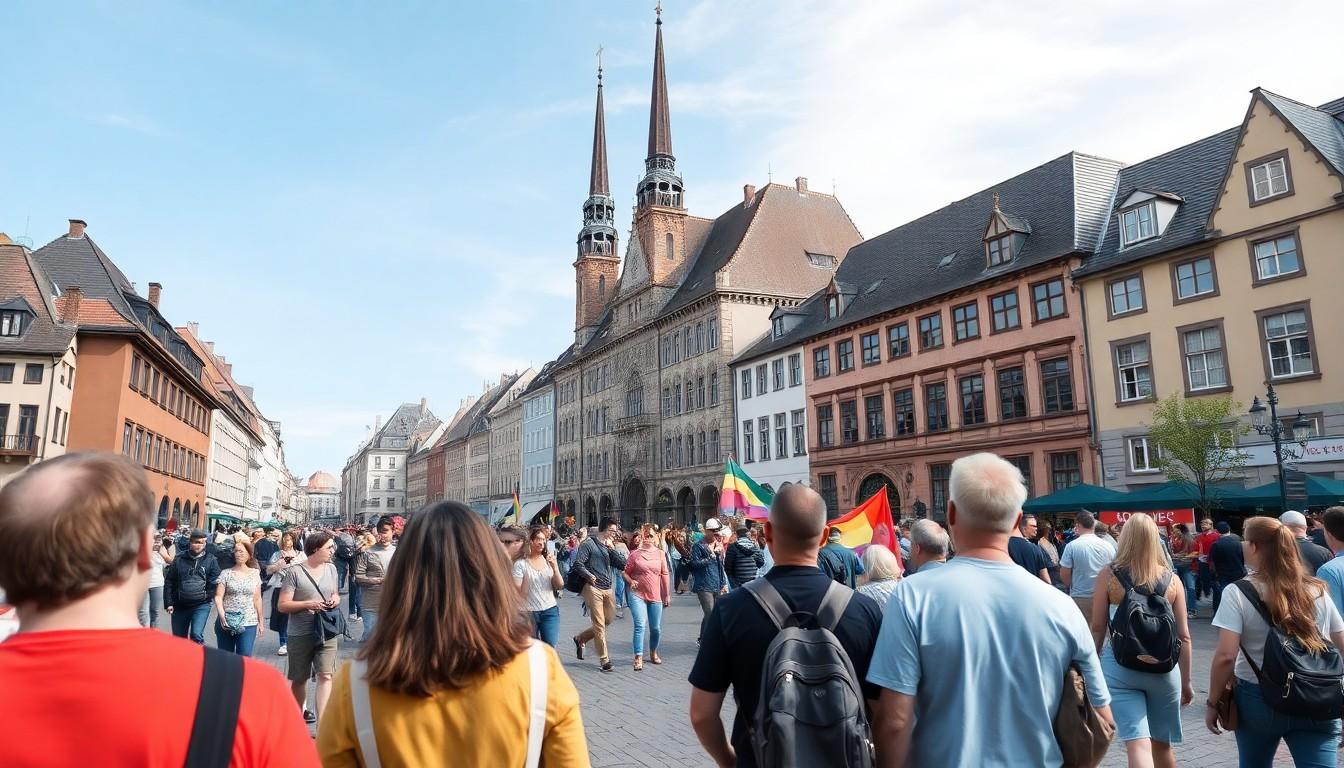
Watchers lined the Hofgarten and Münsterplatz as around 3,000 people marched through Bonn for Pride, a vivid reminder that local solidarity matters , but so do safety, accessibility and clear traffic plans for big civic events.
Essential Takeaways
- Attendance: About 3,000 people took part in Pride Bonn, creating a lively, colourful procession that drew many onlookers.
- Public reaction: Most passers-by smiled, filmed or expressed support; one isolated hostile gesture was reported but no wider confrontations.
- Route and impact: The march moved from the Hofgarten via Münsterplatz into the Altstadt, affecting pedestrian flow and nearby shops.
- Accessibility focus: Organisers emphasised accessible information and inclusion, including services for people with disabilities.
- Logistics need: Local retailers and officials underlined the need for clearer traffic and pedestrian management during large demonstrations.
A bright march through Bonn , and mostly smiles
The scene was upbeat: colourful flags, music and steady footsteps as the Pride procession threaded from the Hofgarten past Münsterplatz into the heart of the Altstadt. Many spectators stopped to watch, some clapped, others filmed on their phones; the atmosphere felt celebratory and communal. According to organisers and local reports, only one moment of visible hostility occurred , a single passerby making an obscene gesture , and it didn’t escalate. That small flash didn’t dim the wider sense of support on the streets.
Why accessibility was on the agenda
Organisers made a point of offering information in plain language and arranging accessibility measures, signalling that Pride Bonn aims to be welcoming to everyone. Plain-language guides and specific services for people with disabilities were part of the event’s planning, reflecting a shift across the Pride movement towards practical inclusion. If you plan to attend future events, check organiser websites for accessibility info and meeting points to make your visit easier.
Shops, streets and planning: the ripple effects
Local retailers and the municipal environment felt the march’s impact, with the Altstadt seeing more foot traffic than usual. The demonstration highlighted a predictable tension: civic celebration versus the need for smooth traffic and business operations. Local trade groups have called for clearer traffic concepts around big events, so everyone , shoppers, staff and visitors , can move safely. For small businesses, the lesson is to plan opening hours and staffing around event schedules.
Security and the rare moments that test tolerance
Police and organisers kept a low-key presence to ensure safety without spoiling the event’s friendly tone. Incidents were minimal, but the single rude gesture that made headlines reminds us why organisers keep communication channels open with authorities and the public. Simple measures , designated marshals, visible stewards and clear routes , help prevent escalation and reassure both participants and passers-by.
What this Pride says about Bonn , and what’s next
The turnout and the largely positive public reaction suggest growing local acceptance and visibility for LGBTQ+ communities in Bonn. Still, the conversation now includes practical steps: better traffic planning, continued accessibility improvements and maintaining dialogue with retailers and residents. Those are small, solvable details that can make future Pride events smoother and even more inclusive.
It's a small change that can make every march feel safer and more welcoming.
Source Reference Map
Story idea inspired by: [1]
Sources by paragraph: