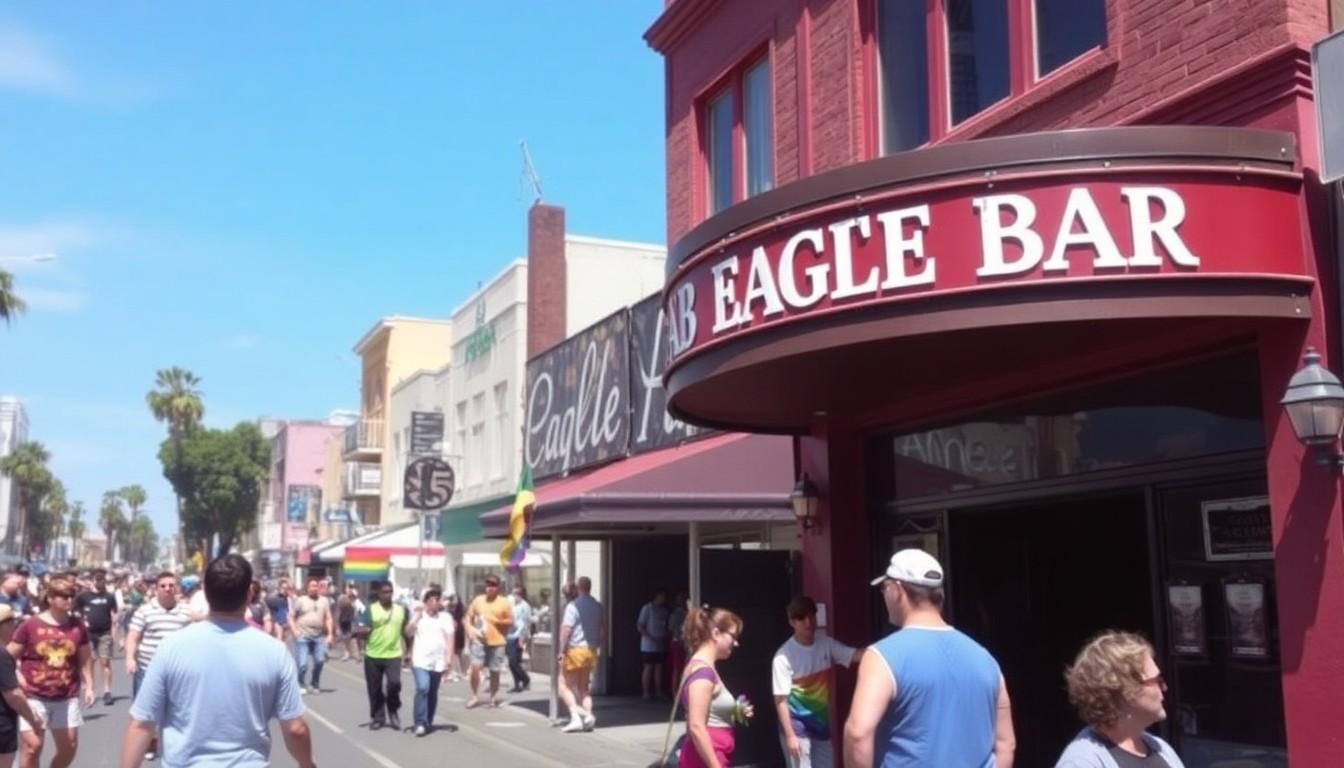
Watch the change unfold: once-targeted bars, courtroom stings and public shaming gave way to Pride parades and partnership , here’s how San Diego’s LGBTQ community and police moved from hostility to a working, if sometimes uneasy, relationship that matters for safety and trust.
Essential Takeaways
- Historic harassment: Police raids, restroom stings and public naming of suspects traumatised LGBTQ people through the 1960s–80s, leaving long memories.
- Community pushback: Protests and court challenges in the 1970s helped curb invasive enforcement tactics and exposed abuses.
- Institutional shift: Police training, ride-alongs and leadership changes contributed to fewer raids and more engagement.
- Ongoing tensions: Events like the 2020 ban on uniformed officers show mistrust persists, even as SDPD participates in Pride.
- Formal supports now: The city runs LGBTQ-focused Safe Place programs, training and an advisory board to sustain partnership and accountability.
From flashing lights to handcuffs: the fear that launched a movement
The most vivid memories from older San Diegans are of sudden police raids that turned dancing nights into humiliating arrests, a smell of disinfectant and shouted names in newspapers. According to oral histories and local reporting, officers routinely entered gay bars and rounded people up, leaving victims jailed or publicly shamed. That pattern helped spark early legal fights and community organising because people didn’t want their lives ruined by a single sting.
Those crackdowns also created a powerful incentive to resist. Lawyers and activists began to challenge broad surveillance tactics in courtrooms and on picket lines, and those campaigns laid the groundwork for later reforms and visibility.
Restroom stings and the cost of public exposure
One of the cruelest tactics was the covert monitoring of public restrooms, where arrests were often followed by the publication of names and occupations. The fallout could mean job loss, ruined reputations and social exile, so the stakes were enormous. Legal pushback in the 1970s successfully argued that such surveillance was overly broad and violated privacy, and newspapers faced sharp criticism for running lists of alleged offenders.
Those cases forced a conversation about dignity and the limits of policing, and they helped galvanise the community into organised protest and legal defence.
How contact stopped the raids: training, ride‑alongs and leadership
A combination of human contact and policy changes shifted behaviour on the beat. Programs that sent police trainees to LGBTQ community centres and AIDS organisations for ride-alongs opened surprising doors , officers started to see their neighbours rather than caricatures. Leadership mattered too: successive chiefs who adopted inclusive policies and who showed up at Pride helped normalise cooperation.
San Diego’s modern approach includes formal initiatives. The city’s Safe Place resources, LGBTQ training modules and an advisory board now offer institutional pathways for improving policing and service, signalling that the change wasn’t only social but procedural.
Violence, vigilance and a fragile progress
Progress didn’t end violence. The 1980s and 1990s saw hate crimes that shook the neighbourhoods and prompted organised community responses, including citizen patrols and pressure on law enforcement to take anti‑gay attacks more seriously. Those episodes underscored that legal equality alone can’t erase targeted violence; community safety requires both policing that protects and policing that’s trusted.
Over time, civic actors, prosecutors and police began to collaborate more effectively, but memories of neglect or indifference linger, and they inform how newer generations view law enforcement.
When trust frays: modern flashpoints and the new generation’s take
The relationship remains uneven. In 2020, Pride organisers excluded uniformed officers amid nationwide protests over police violence, a decision rooted in national reckoning and local memory. By 2022 uniformed officers returned to the parade, reflecting a pragmatic desire for inclusion from some and discomfort from others. Older activists often welcome the progress; younger people, who didn’t live through the raids, judge police by today’s actions.
Institutional mechanisms such as advisory boards and targeted training help bridge the gap, but rebuilding trust happens slowly and requires accountability as well as outreach.
Practical tips if you’re part of this story
- If you want safer encounters, look for local Safe Place resources and LGBTQ training information offered by the city to understand what protections exist.
- Attend community policing meetings or advisory board sessions to raise concerns and learn how policies are changing.
- For historical context, listen to oral histories and archived coverage , they explain why some people are wary even now.
- If you work in law enforcement, short community ride‑alongs and support for LGBTQ colleagues are simple, effective steps toward better relations.
It's a small change with big meaning: the work to repair trust continues, and it’s worth paying attention , and taking part.
Source Reference Map
Story idea inspired by: [1]
Sources by paragraph: