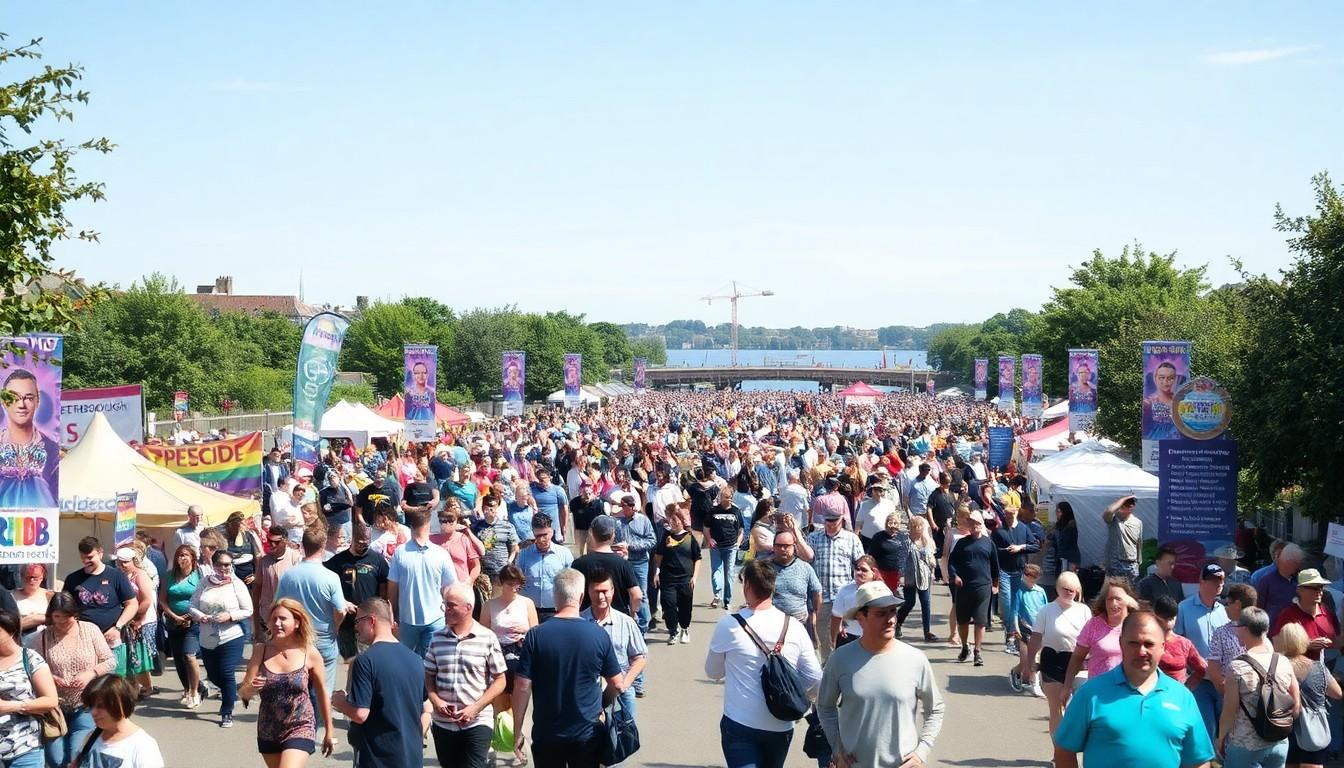
Shoppers and families rallied in Peterborough as organisers staged a pared-back but colourful Pride parade and festival, proving community energy still counts even as commercial backing dwindles. Here's what happened, why funding has tightened, and how locals kept the party alive.
Essential Takeaways
- Lower sponsorship: Organisers say commercial and local funding has dropped sharply, forcing changes to the event model.
- Strong turnout: Despite fewer sponsors, Peterborough Pride drew large crowds for a free parade and paid festival, with organisers reporting up to 5,000 attendees.
- Council support: The city council worked with organisers on safety and logistics, enabling the march without road closures.
- Community-first vibe: Performers, dancers and local volunteers kept the festival colourful and lively, with grassroots enthusiasm filling gaps left by lost corporate support.
- Ongoing challenges: Organisers highlight heightened pressures on trans people and urge continued attendance and backing.
A bright parade despite tighter purse-strings
The scene was upbeat and visual , flags, sequins and music , even if the funding behind it felt thinner than in past years. Organisers told local reporters they’ve seen commercial sponsorship drop off sharply since 2021, with some big-name backers pulling out for reasons that range from international politics to changing corporate priorities. That made this year’s celebration feel like a community rescue mission as much as a festival.
Why sponsorship has dried up , and why it matters
Local organisers pointed to a mix of causes: shifting corporate strategies, geopolitical events and a general cooling of commercial appetite for Pride partnerships. When firms withdraw support, it’s not just about banners and logos; budgets for staging, security and artist fees shrink too. Peterborough’s experience underlines a wider trend where smaller events increasingly rely on grassroots donors, ticket income and council cooperation to survive.
Council stepped in on logistics, not funding
Peterborough City Council made it clear it’s supportive and helped ensure the event could run safely, working with organisers on route planning and pedestrian safety. Council support enabled the march to proceed without road closures, which kept disruption low while still allowing a lively, visible parade. That kind of institutional backing can be vital when commercial sponsorship wanes.
Community energy filled the gaps
When corporate checks didn’t appear, performers, volunteers and local businesses stepped up to deliver the atmosphere. The festival combined a free daytime parade with a pay-to-attend event on The Embankment, letting organisers recoup some costs while keeping the parade accessible. For many attendees, the emotional lift of showing visible support mattered more than a glossy sponsor list.
What to look for next year , and how to help
If you want to back local Pride, think beyond logos: buy tickets, volunteer, donate, or ask your employer about community sponsorships that are meaningful and long-term. Smaller grants and crowd-funded support can stabilise events while councils and organisers seek sustainable models. And remember why it’s important: organisers emphasise ongoing threats, particularly toward trans people, making visible attendance an act of solidarity as much as celebration.
It's a small change in how Pride gets paid for, but the spirit on the ground shows why these events still matter.
Source Reference Map
Story idea inspired by: [1]
Sources by paragraph: