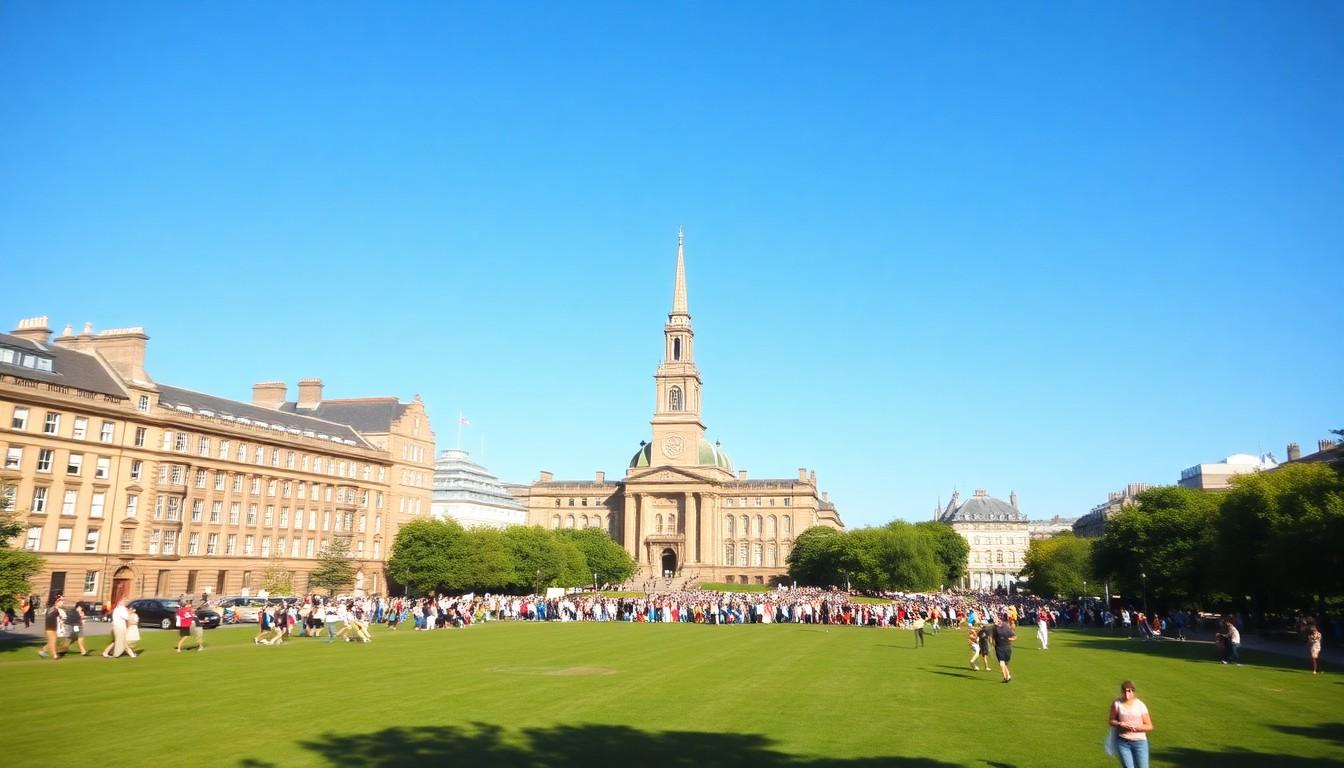
Watching thousands stream through the city, former first minister Nicola Sturgeon strode into Glasgow Pride 2026 with a smile, rainbow flags and a clear show of support for Time for Inclusive Education , a bright, visible moment as the city marks the 25th organised march and three decades of Pride.
Essential Takeaways
- High-profile presence: Nicola Sturgeon marched with campaigners for inclusive education and appeared relaxed and upbeat under July sunshine.
- Historic milestone: Glasgow celebrated its 25th organised Pride march, part of roughly 30 years of Pride activity in the city.
- Big-name backers: Corporate sponsors included Lumo, AG Barr (Irn-Bru) and Scottish Water, drawing both support and criticism.
- Contested partnerships: Campaigners and Scottish Green politicians urged a boycott of Coca‑Cola sponsorship, citing solidarity concerns over the Israel–Palestine conflict.
- Lively line‑up: Parade and fringe events featured acts from Liberty X to Ultrabeat, with thousands dancing along the Clyde.
A sunny stroll with a political echo
Ms Sturgeon looked relaxed, smiling as she walked under warm skies, the rainbow colours providing a cheerful backdrop to a surprisingly political day. According to PA images and coverage, she joined a large contingent campaigning for Time for Inclusive Education, reflecting the event’s continuing focus on rights and schooling. For many onlookers it was a human moment: a senior public figure enjoying music, banners and community spirit.
Pride’s quarter-century and a longer history
Glasgow Pride marked 25 organised marches this year, though the city’s first protest-style Pride goes back to June 1996. The parade still starts and finishes at Glasgow Green, winding along the Clyde, and retains that mix of celebration and protest. Organisers say the milestone is about continuity , the party element is important, but so is remembering that Pride began as a demand for rights.
Sponsors, criticism and the line between funding and values
This year’s event carried visible corporate support from train operator Lumo, AG Barr and Scottish Water, and promoters made no secret that big-name backers help fund headline acts. But sponsorships came with a sting: Scottish Green MSPs and campaign groups urged boycotts of Coca‑Cola because of solidarity with Palestine, arguing funding choices speak louder than slogans. It’s a familiar debate in festivals and marches now , who pays shapes perception , and organisers are juggling budgets against principled objections.
Protest within Pride: how solidarity shapes the day
A counter-protest by a group calling itself No Pride in Genocide set up on Glasgow Green, urging the event not to “pinkwash” corporate ties amid the conflict. Campaigners and the Scottish Palestinian Solidarity Campaign also pushed parallel events and messaging, insisting Pride’s roots in liberation require consistent internationalism. For attendees, that meant the parade felt layered: colourful and euphoric at street level, but carrying sharper political notes when you looked closer.
Why the optics matter for public figures now
Ms Sturgeon’s appearance came at a charged moment: ongoing fallout from legal cases involving her former husband has kept her in the headlines. She maintains she was “deceived, misled and betrayed,” and her presence at Pride read as both a gesture of solidarity and a carefully public outing. Public figures turning up to community events can calm, rally or distract , and here it did a bit of all three, giving supporters a photo-op while the wider debate continued.
It's a small but telling moment that shows how Pride keeps being both a party and a platform.
Source Reference Map
Story idea inspired by: [1]
Sources by paragraph: