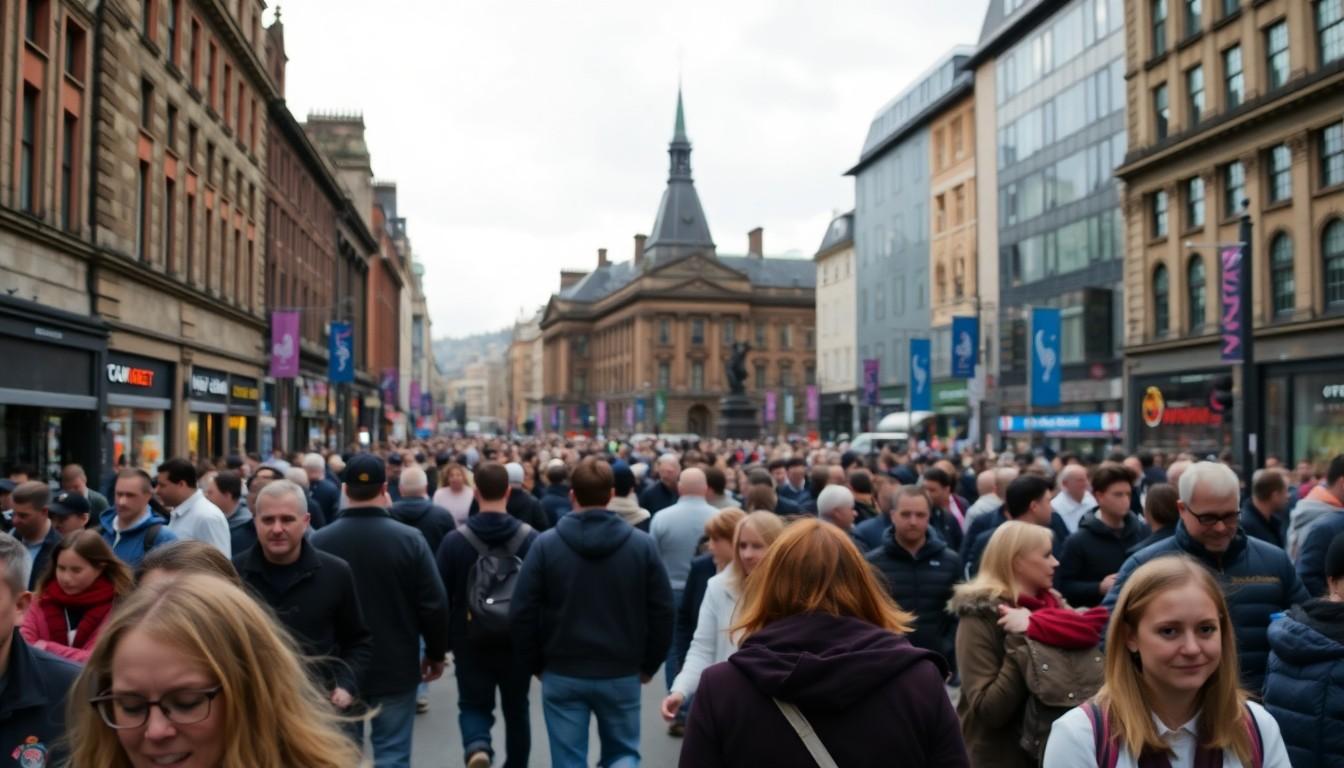
See thousands celebrate 30 years of Glasgow Pride as marchers danced from Glasgow Green to the city centre, with headline acts and familiar faces turning the city fabulously colourful , why this year’s Pride mattered and what to remember for next time.
Essential Takeaways
- Anniversary milestone: Glasgow marked 30 years of Pride, tracing back to the first protest march in 1996.
- Route and atmosphere: The parade started at Glasgow Green, moved along the Clyde and finished back at the park, with a lively, music-filled procession and joyous crowds.
- Notable supporters: Public figures joined to show support for inclusive education and LGBTQ+ rights, adding profile to the event.
- Entertainment highlights: Headliners and local acts performed across the day, creating a festival feel beyond the march.
- Community involvement: Local organisations, faith groups and businesses played visible roles, signalling broad civic support.
A march with a milestone , 30 years of Pride in Glasgow
Glasgow felt like a celebration on the Saturday of the march, a warm, noisy river of colour and music that pulsed from Glasgow Green into the heart of the city. The milestone mattered: this year marks three decades since activists first took to the streets in 1996, and that historical seam gave the day an extra emotional charge. Organisers and long-time participants talked about how a protest has become a festival without losing its purpose , it’s still about visibility and rights, but with a big slice of joy. For newcomers, it’s a reminder that Pride carries memory as well as glitter.
The route, the sound and the street-level details
Starting at Glasgow Green, the procession followed the Clyde into the city centre before looping back to the park, giving passers-by multiple chances to join in or watch. DJs and live acts kept a steady soundtrack, so the march never felt like a sombre procession , more like a moving street party. If you’re planning to attend next year, wear comfortable shoes, expect big crowds near the riverfront, and bring a lightweight bag for water and a phone charger; you’ll want to capture the colours and performances without getting worn out.
Familiar faces and civic backing raised the profile
Public supporters were visible along the route, and that visibility matters. Local leaders and well-known Glaswegians taking part lent weight to causes such as inclusive education, signalling mainstream backing for LGBTQ+ issues. Community groups and faith networks also joined in, showing the event’s broad reach across the city. That kind of civic turnout helps keep the conversation about rights alive beyond one weekend of celebration.
Music, performers and the festival beyond the march
The parade was just the opening act , stages and performances dotted the park and city centre all day. Headline names and local favourites gave the day a proper festival feel, so you could drift between the march, a set you fancied, and smaller community stalls. Festivals like this double as fundraising and outreach platforms, so the entertainment is practical as well as fun. If you’re there for the music, check lists and times in advance; the big acts draw crowds early.
Why Glasgow Pride matters now , and what’s next
Pride remains both party and platform, and this year’s large turnout underlined that dual role. Events and partnerships across the city show a continued commitment from businesses and groups to support LGBTQ+ causes, which helps turn attention into action. For anyone involved , volunteers, performers or spectators , the take-home is simple: visibility works, and showing up keeps the momentum going. Plan early, support community stalls, and bring friends , it’s where civic pride and personal stories intersect.
It's a small change that can make every march and performance feel like part of something bigger.
Source Reference Map
Story idea inspired by: [1]
Sources by paragraph: